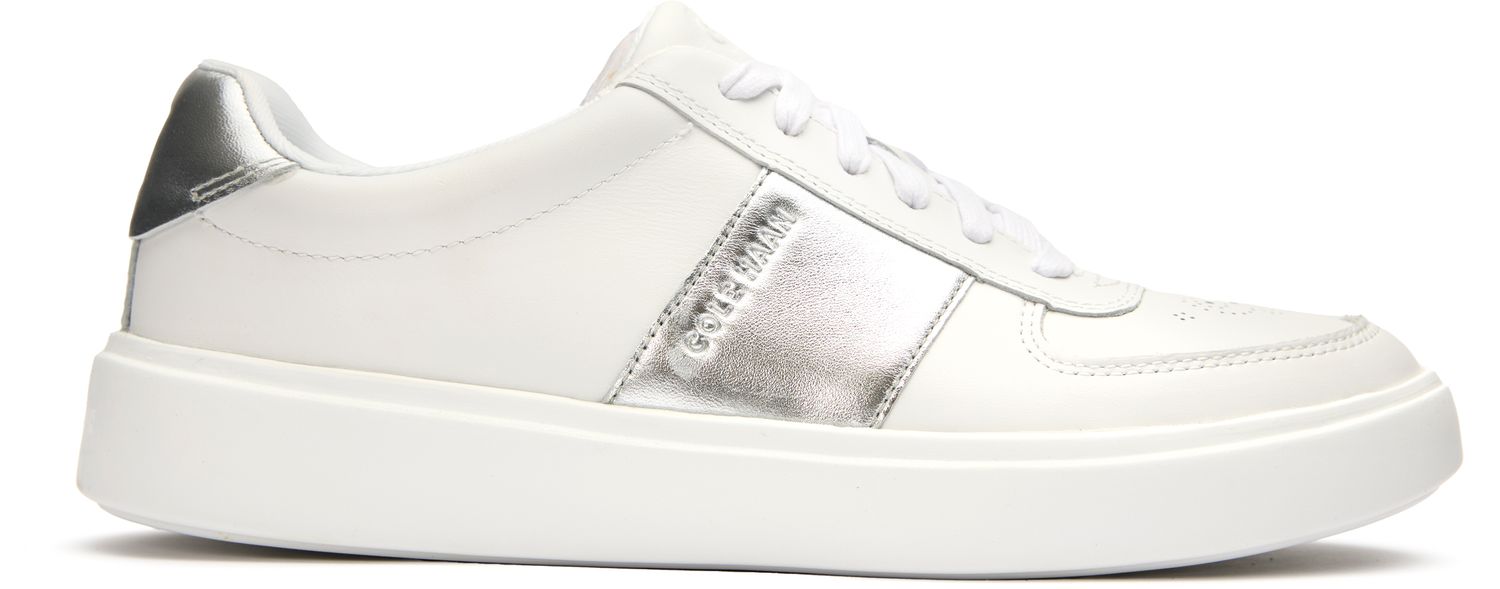
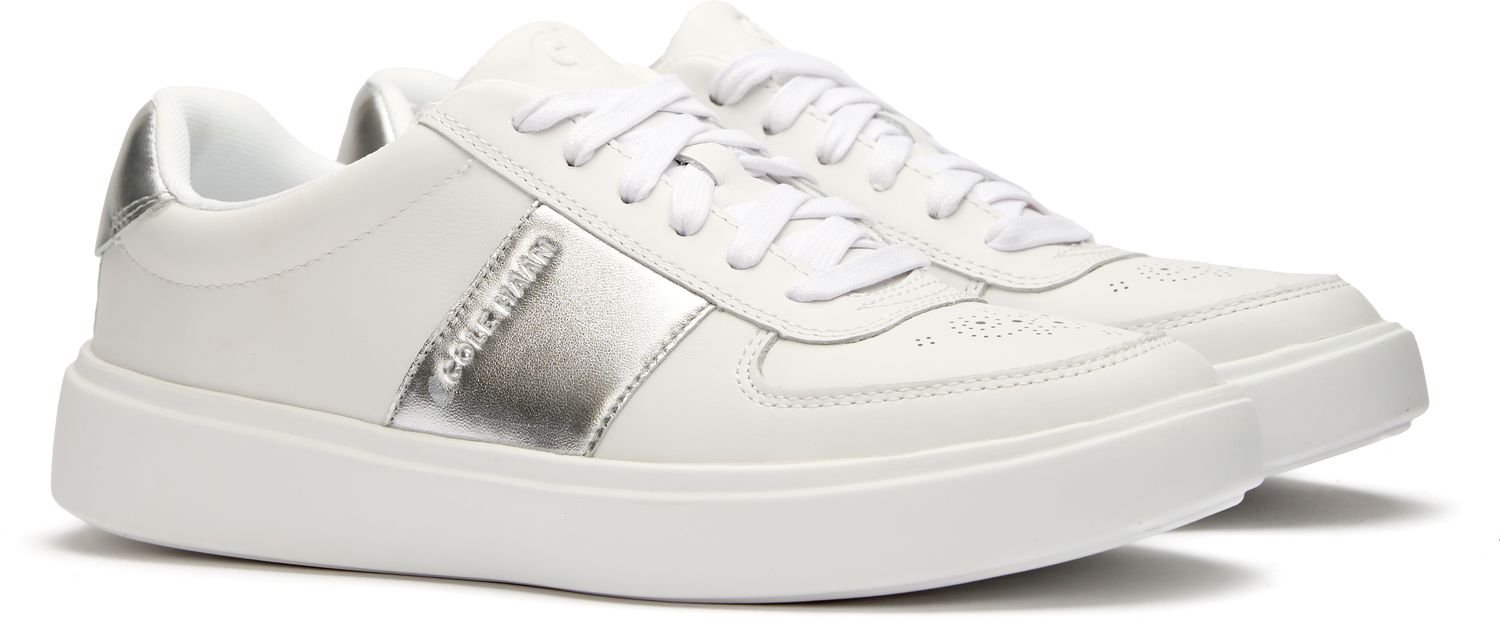
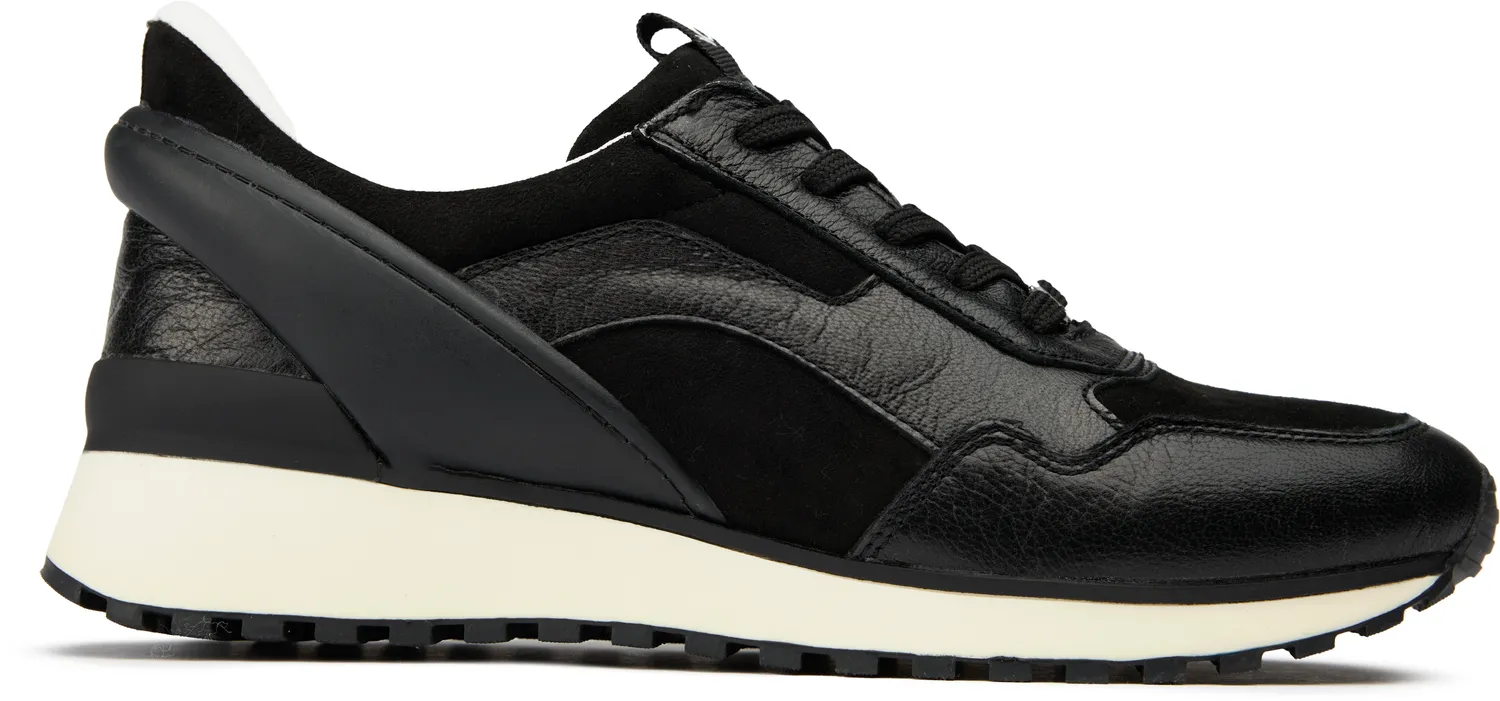
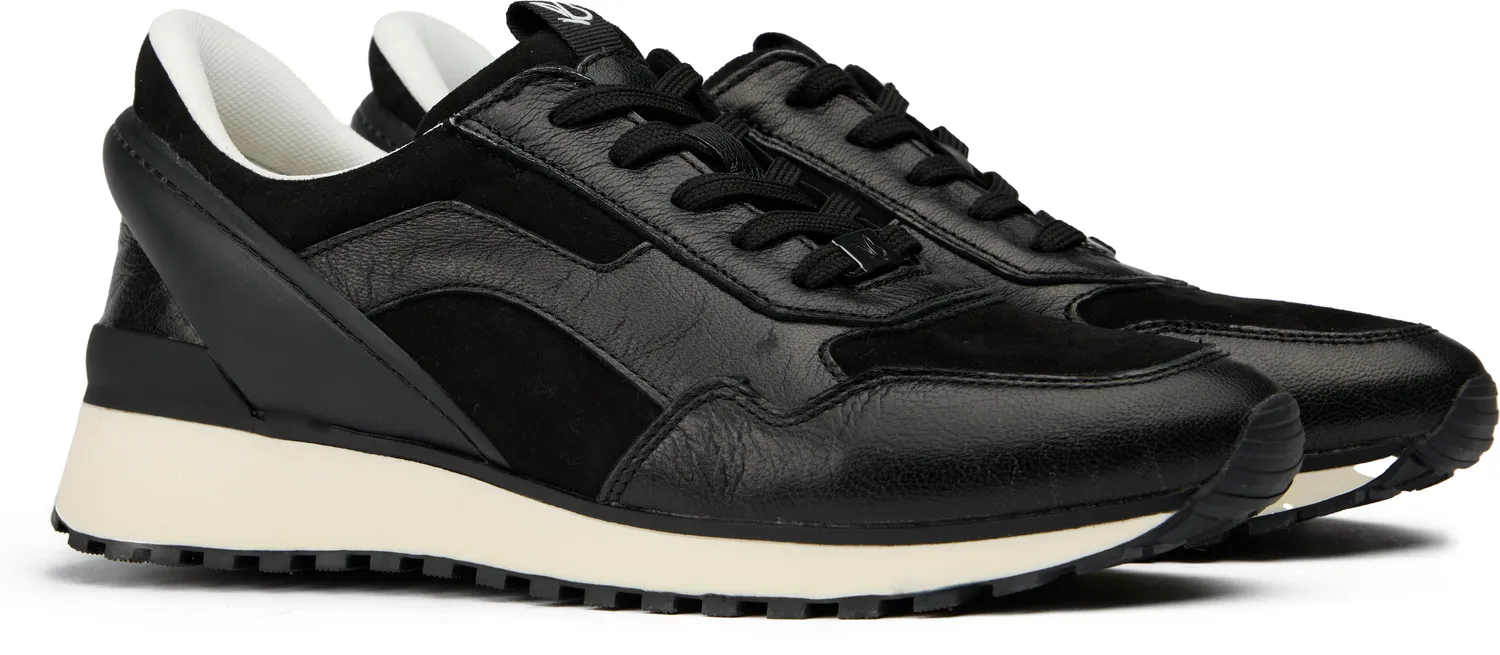
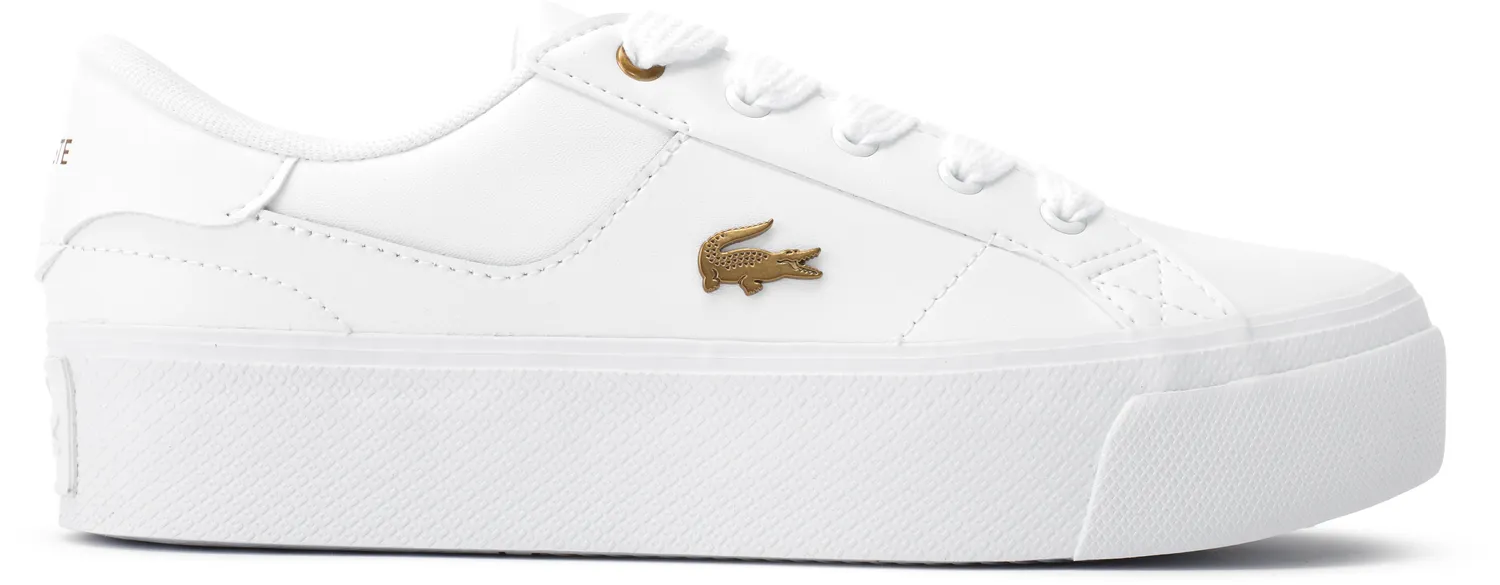
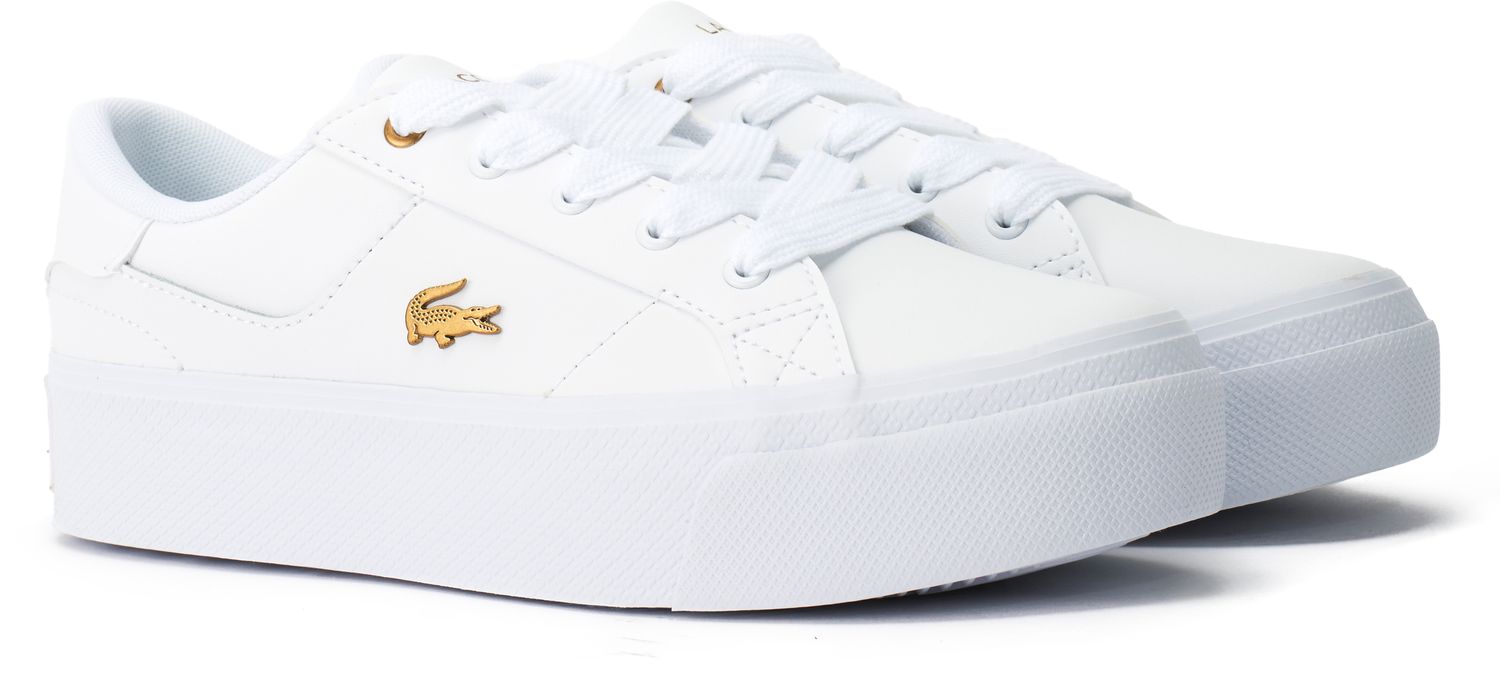
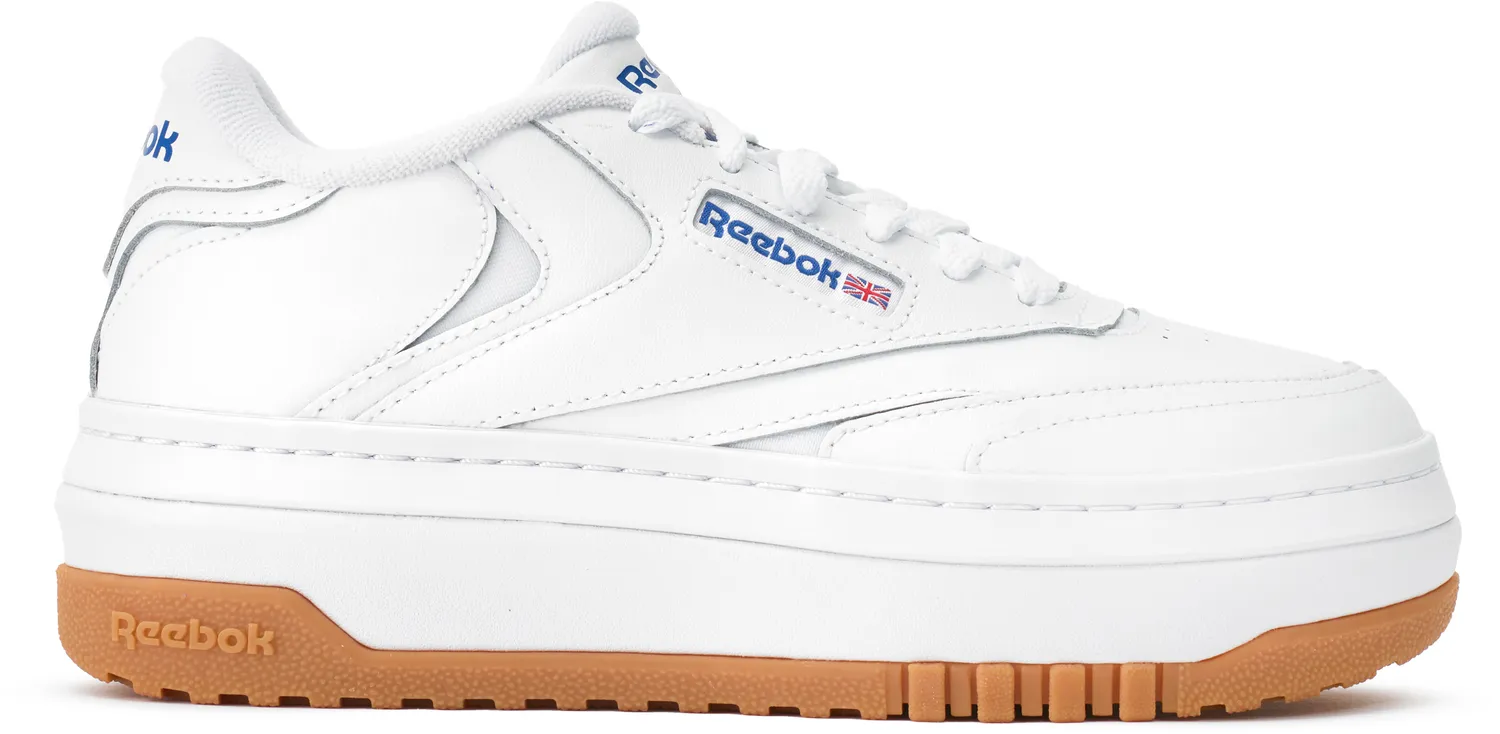
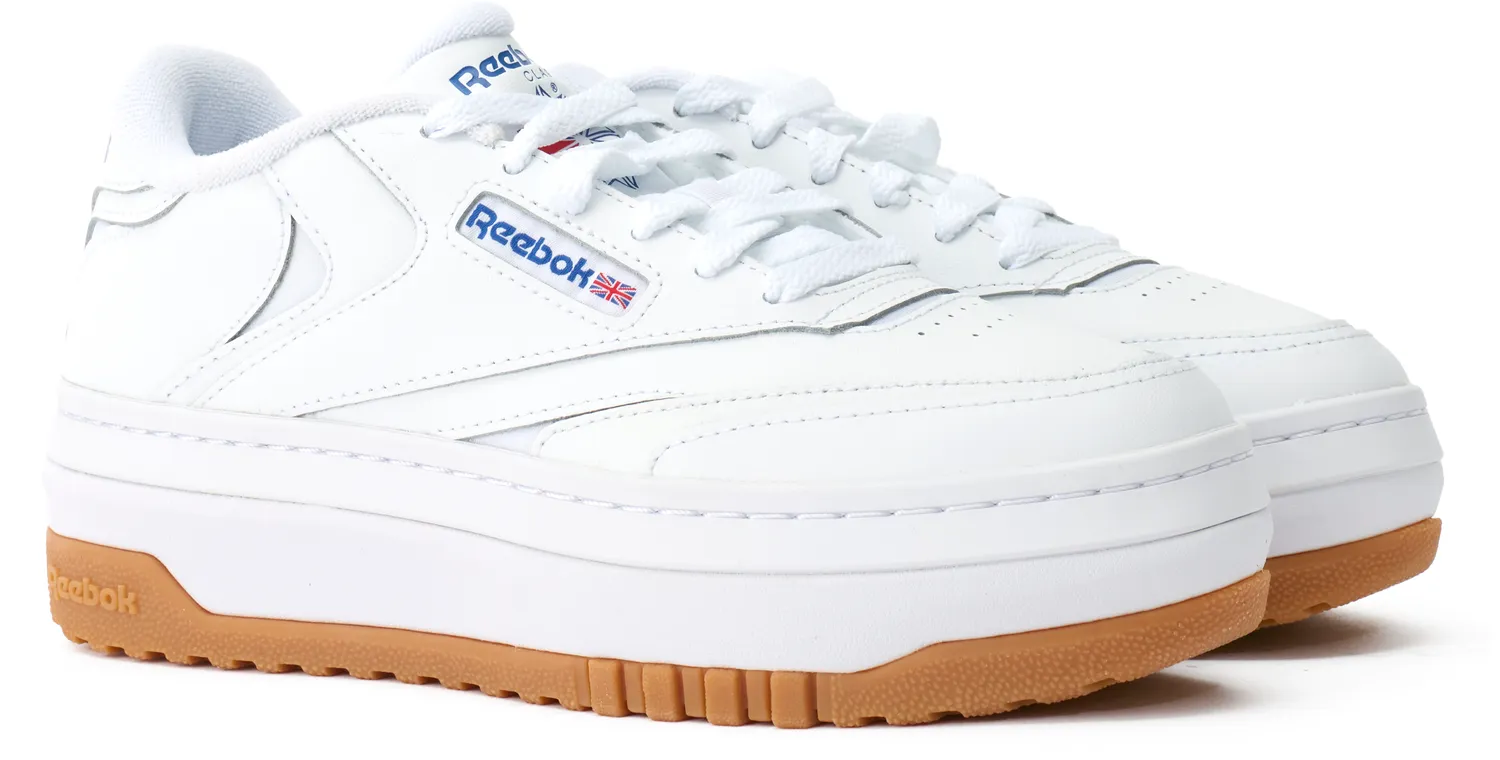
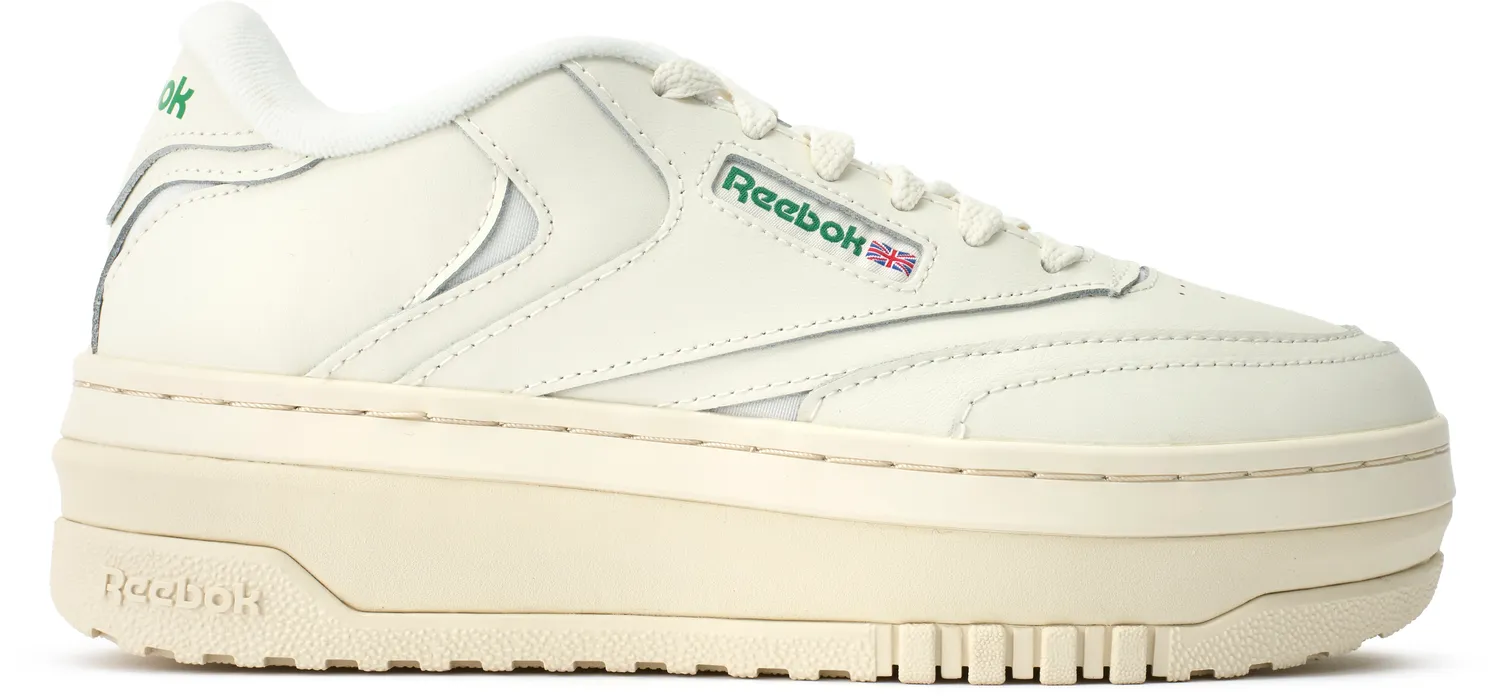
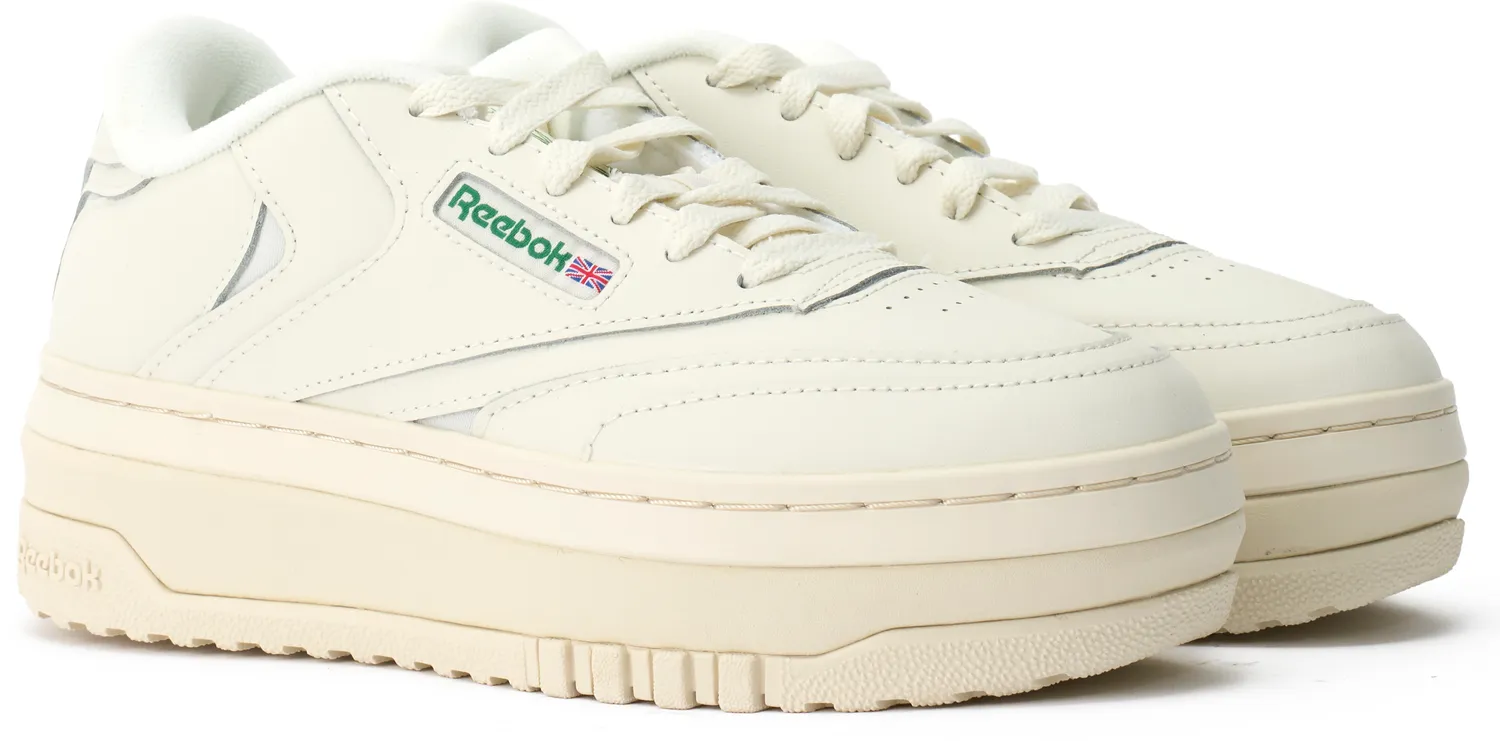
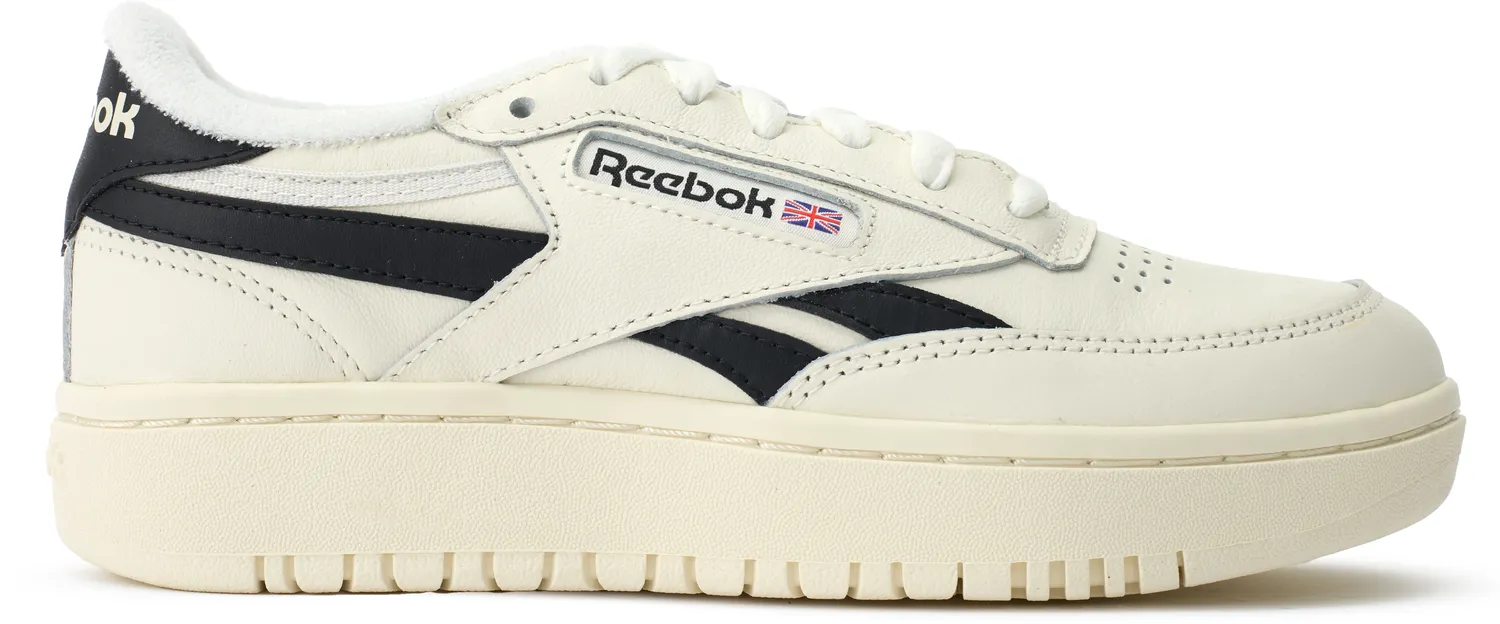
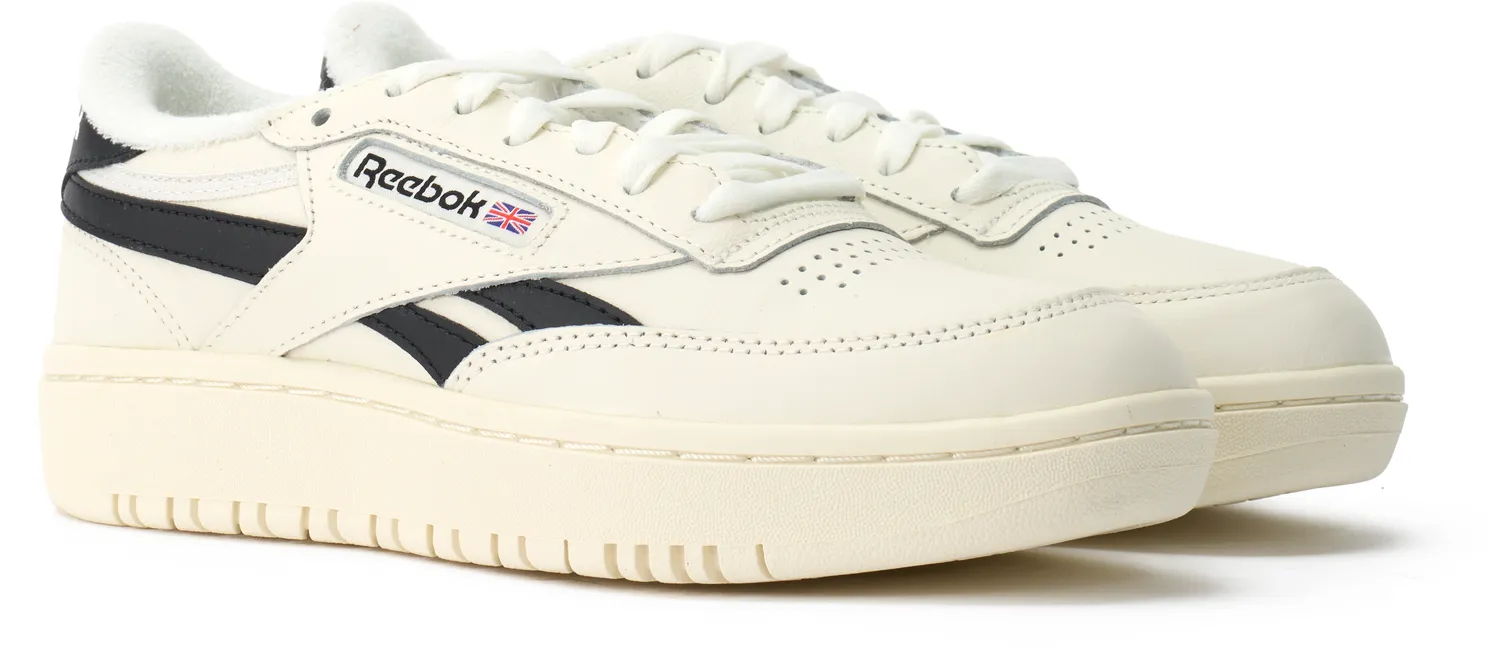
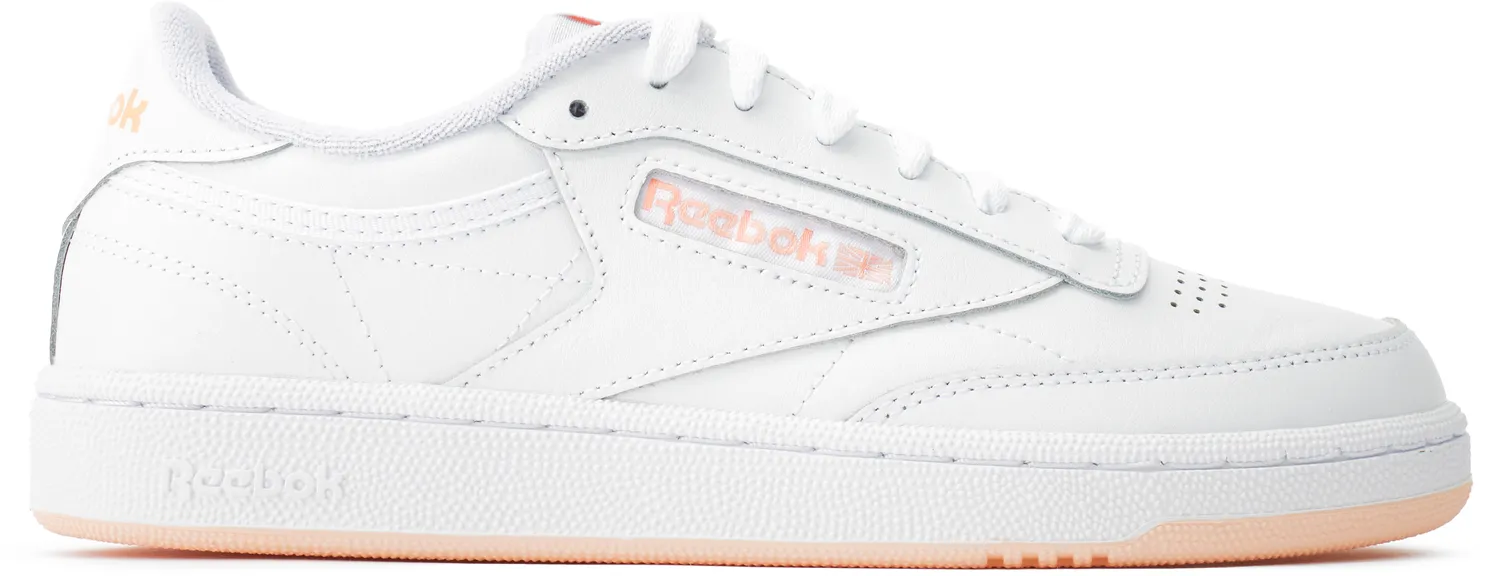
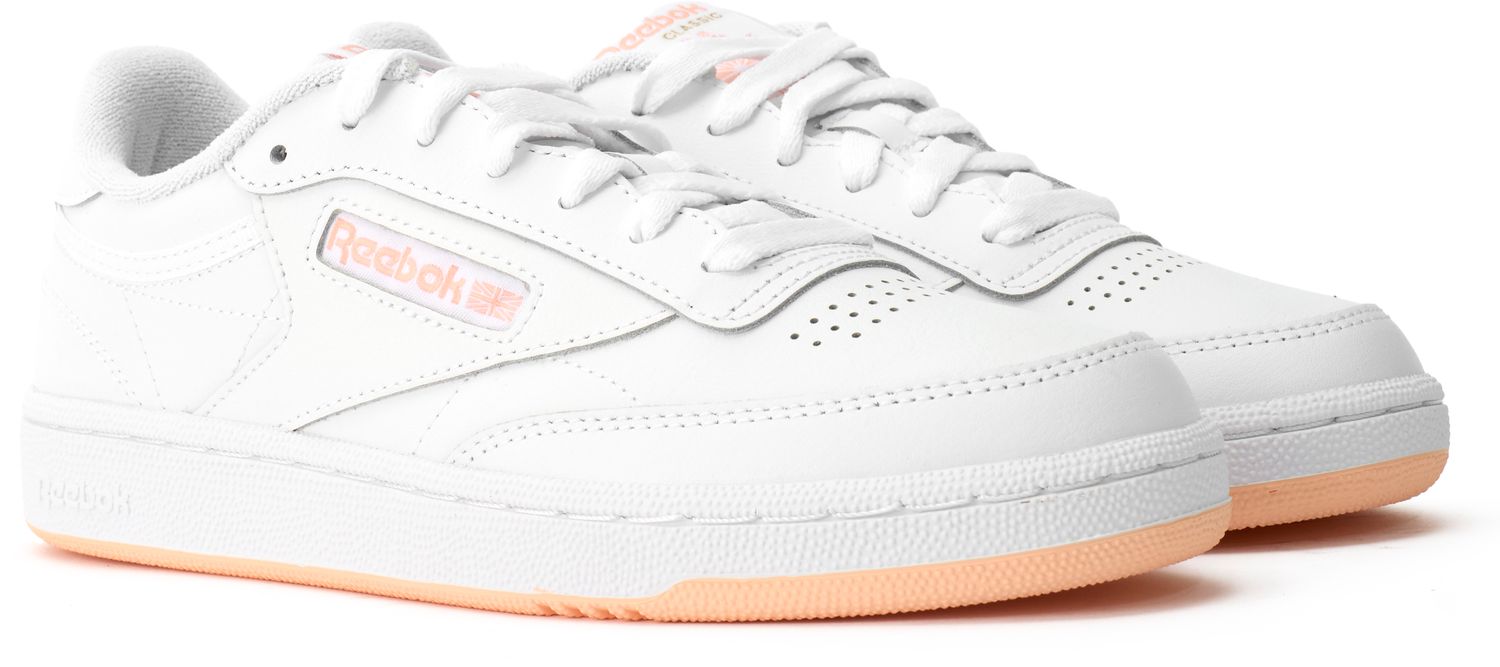
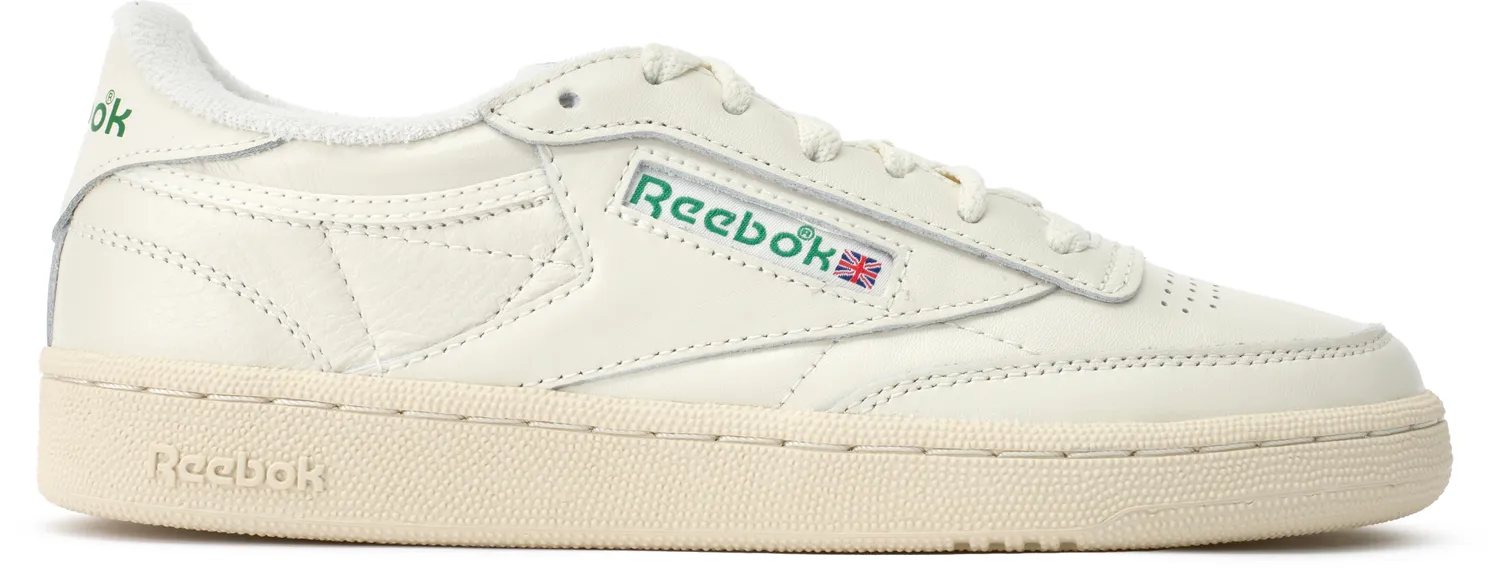
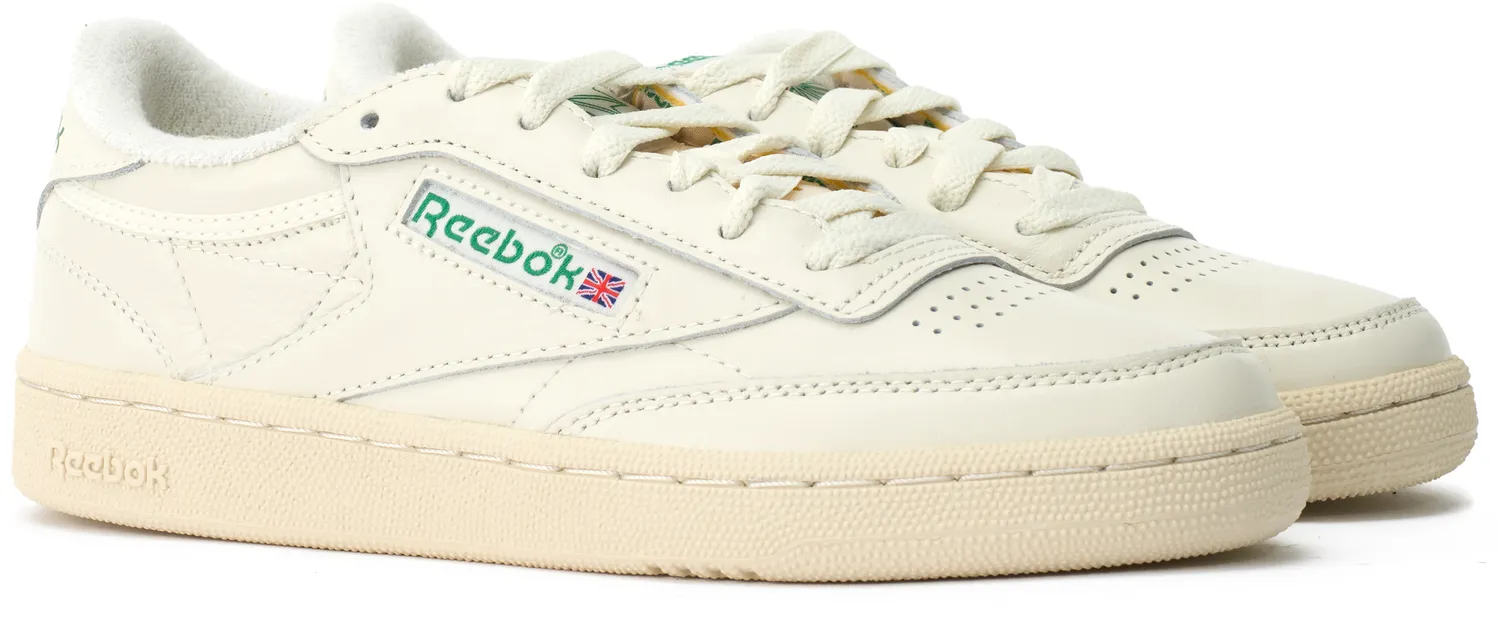
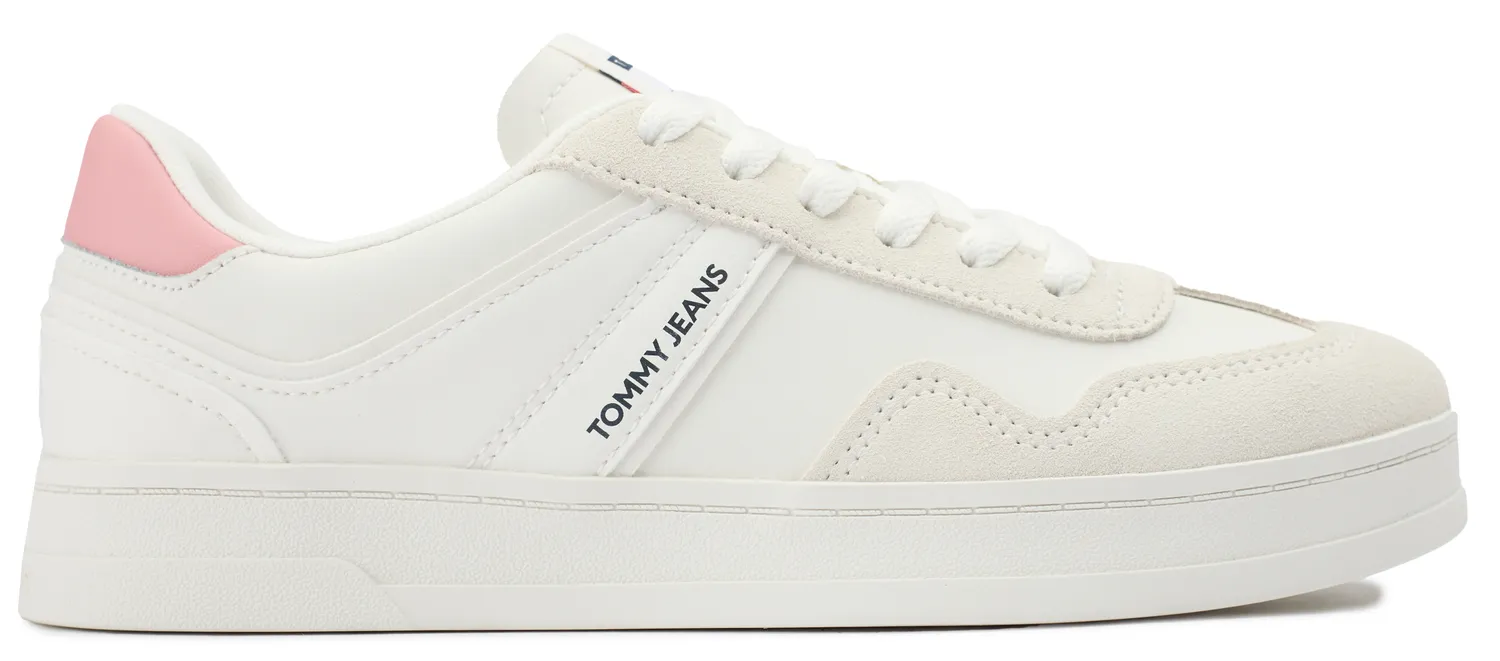
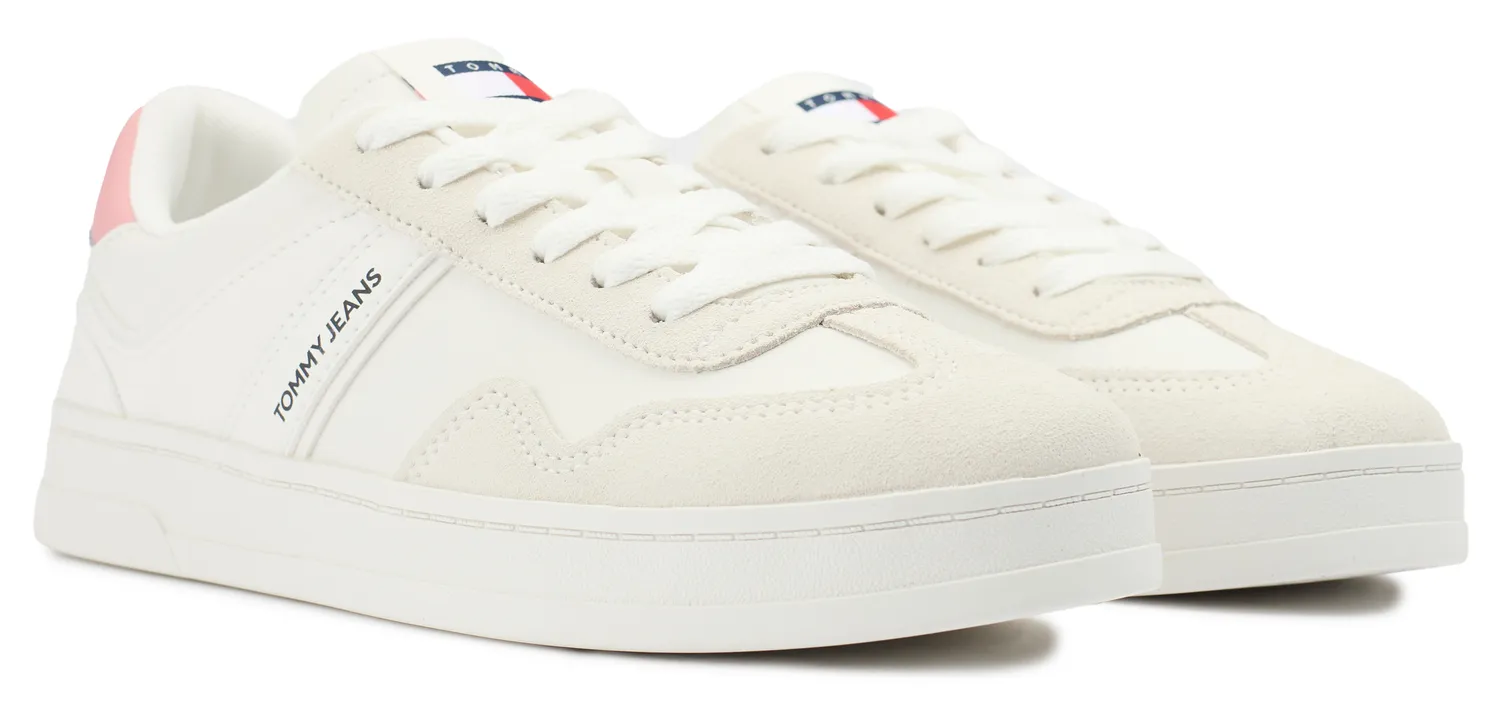
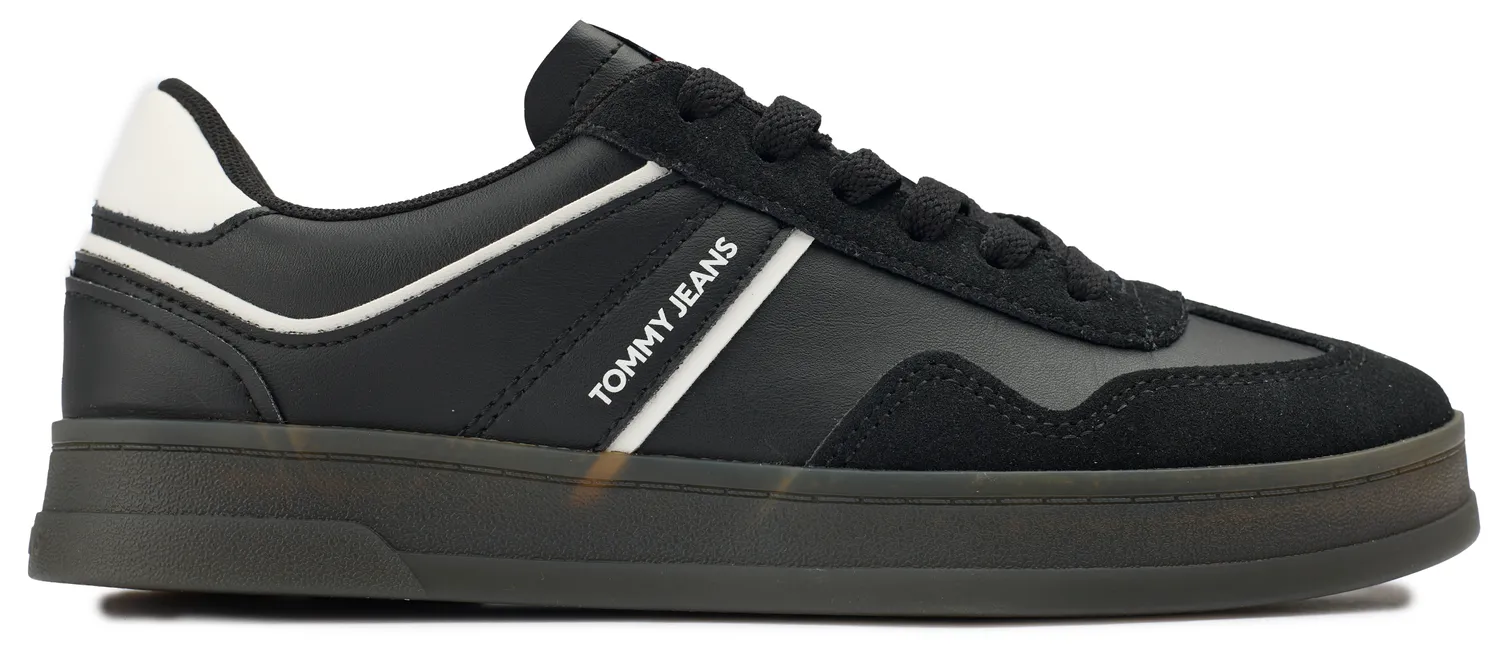
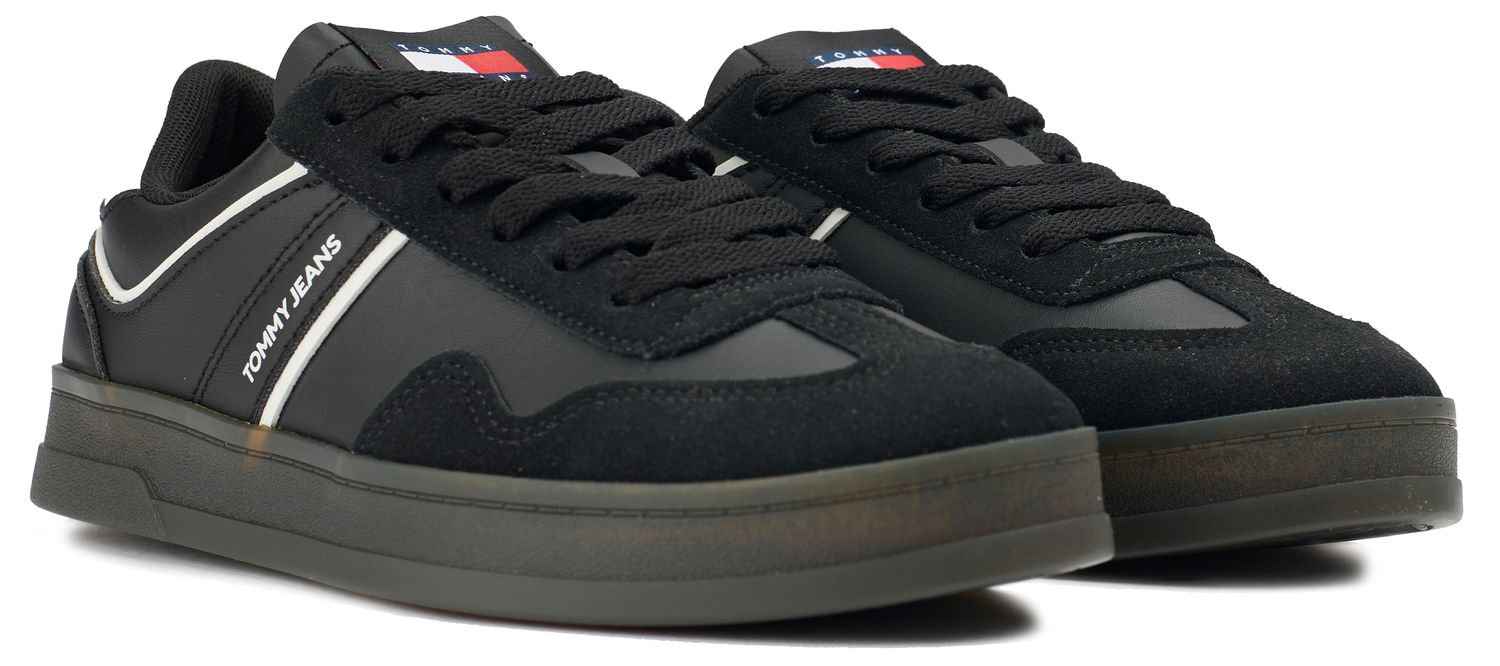
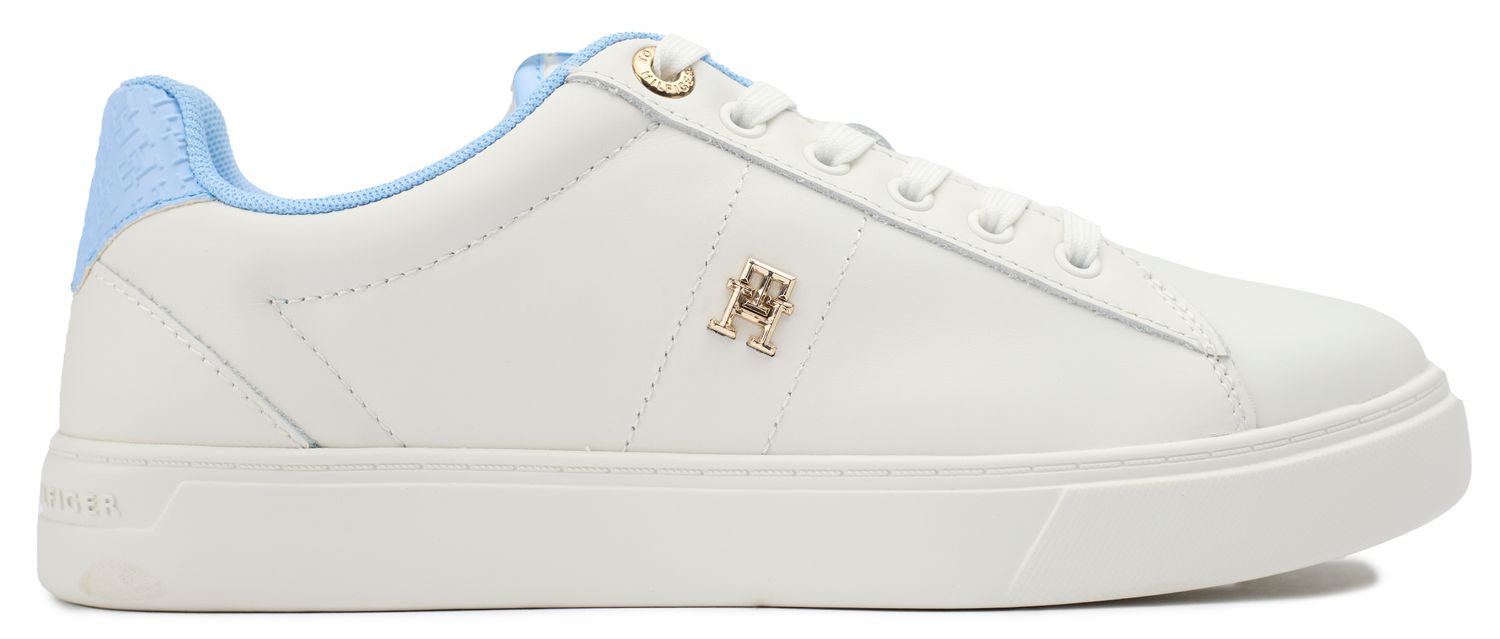
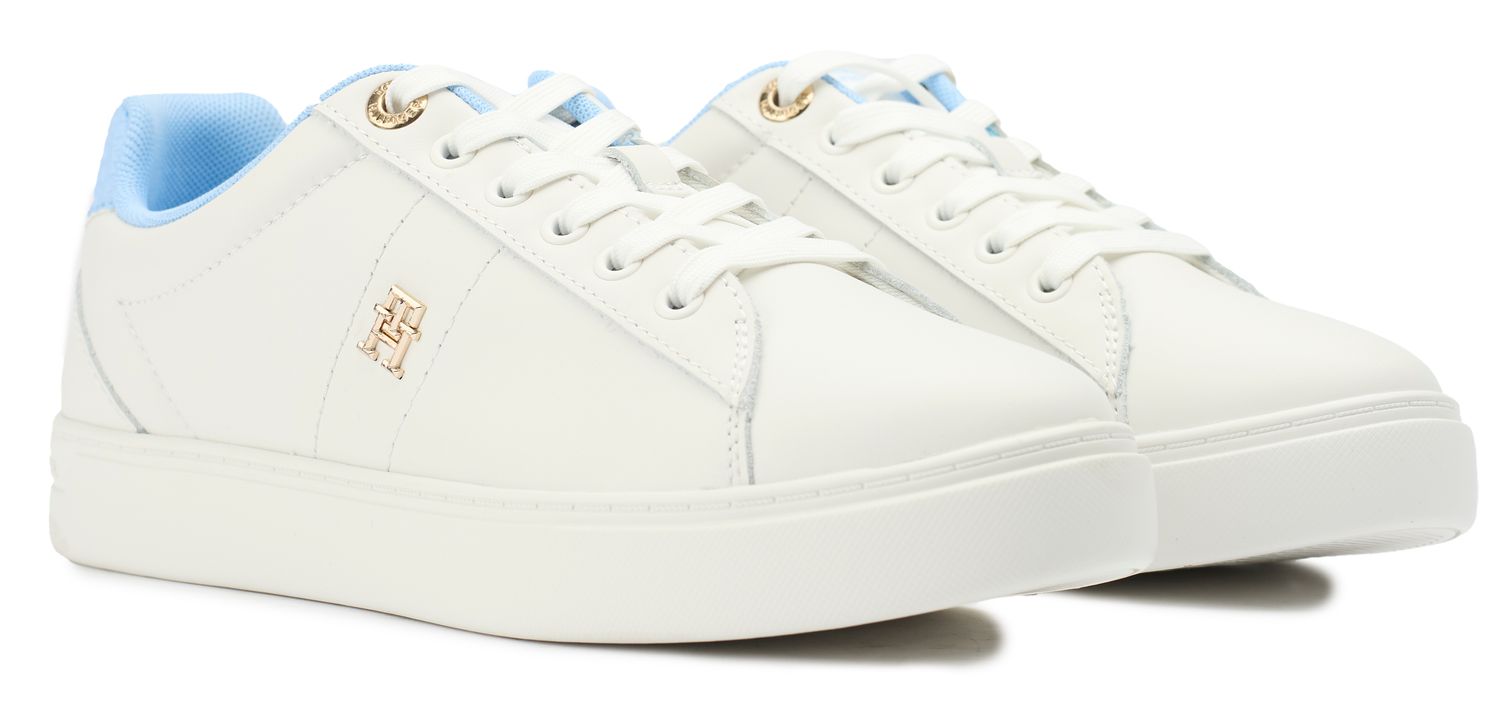
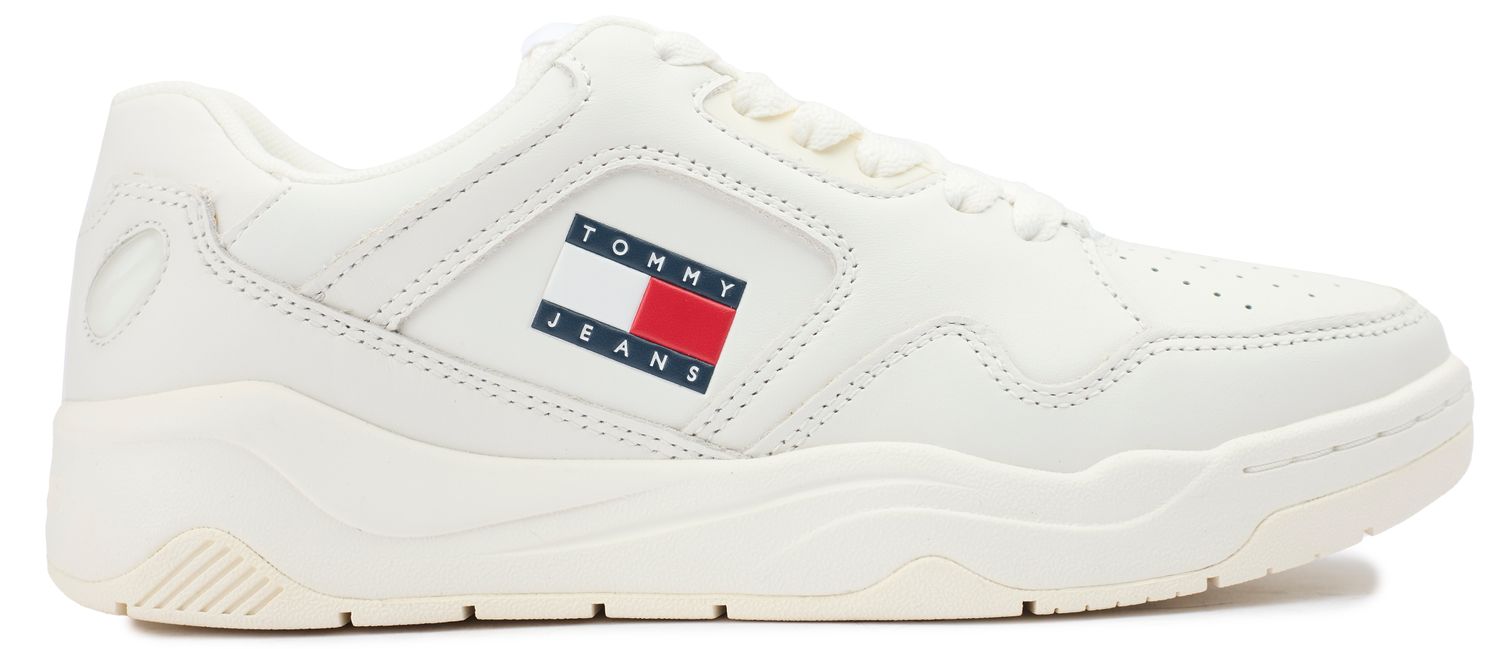
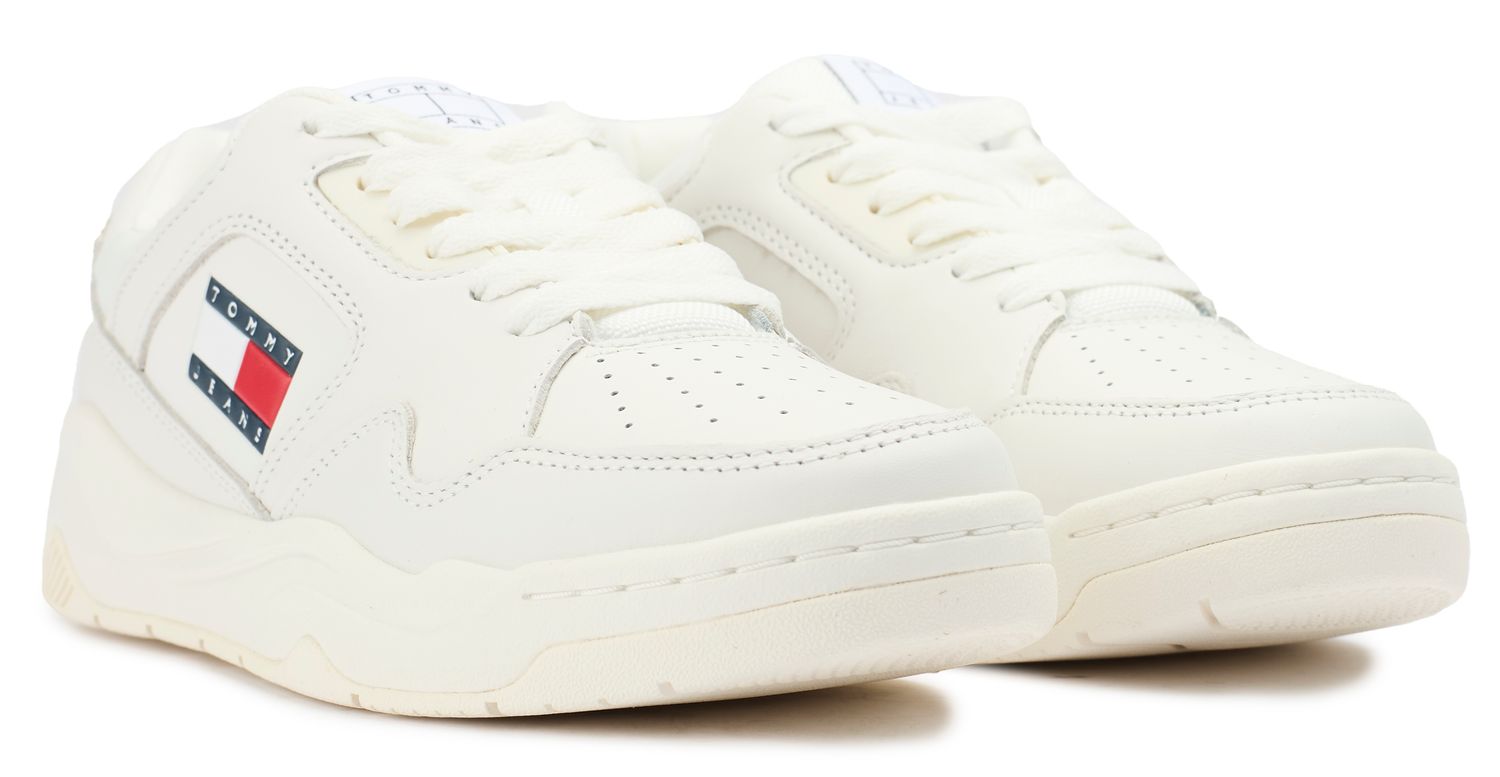
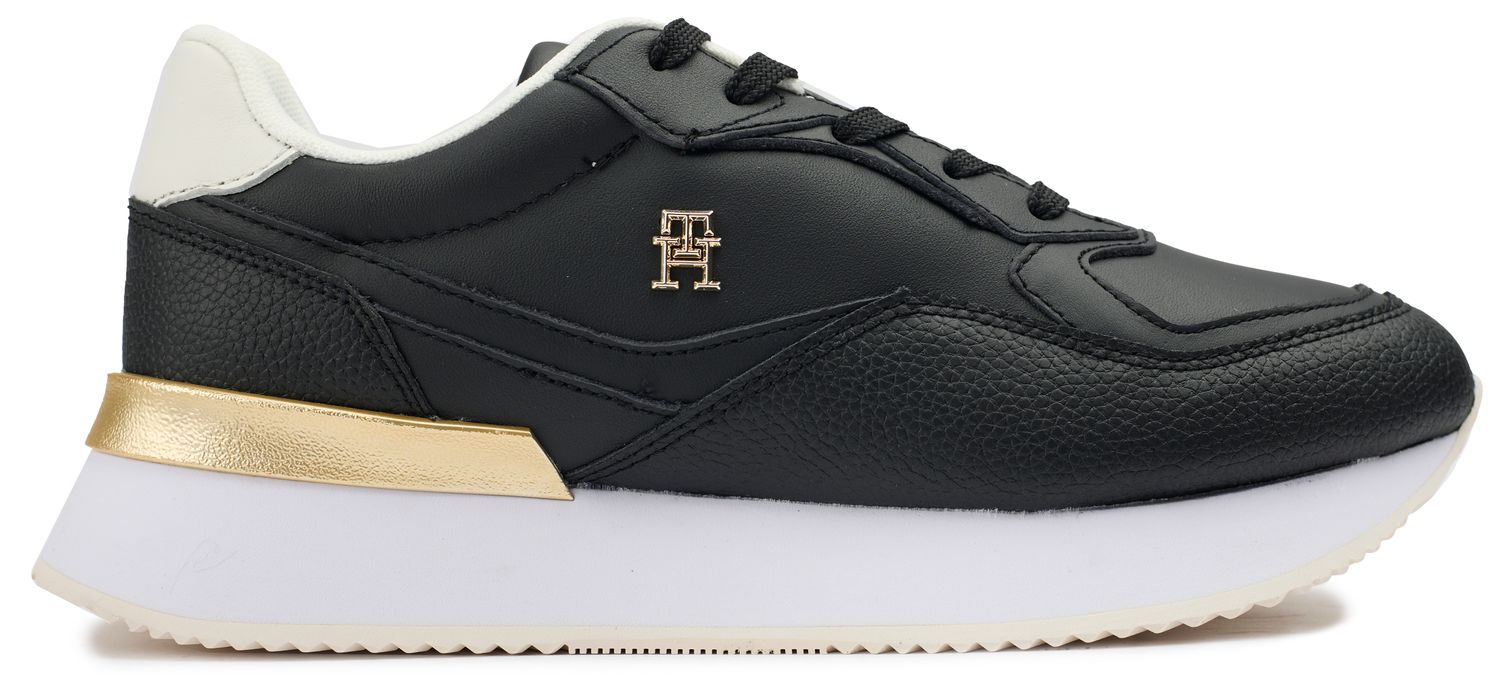
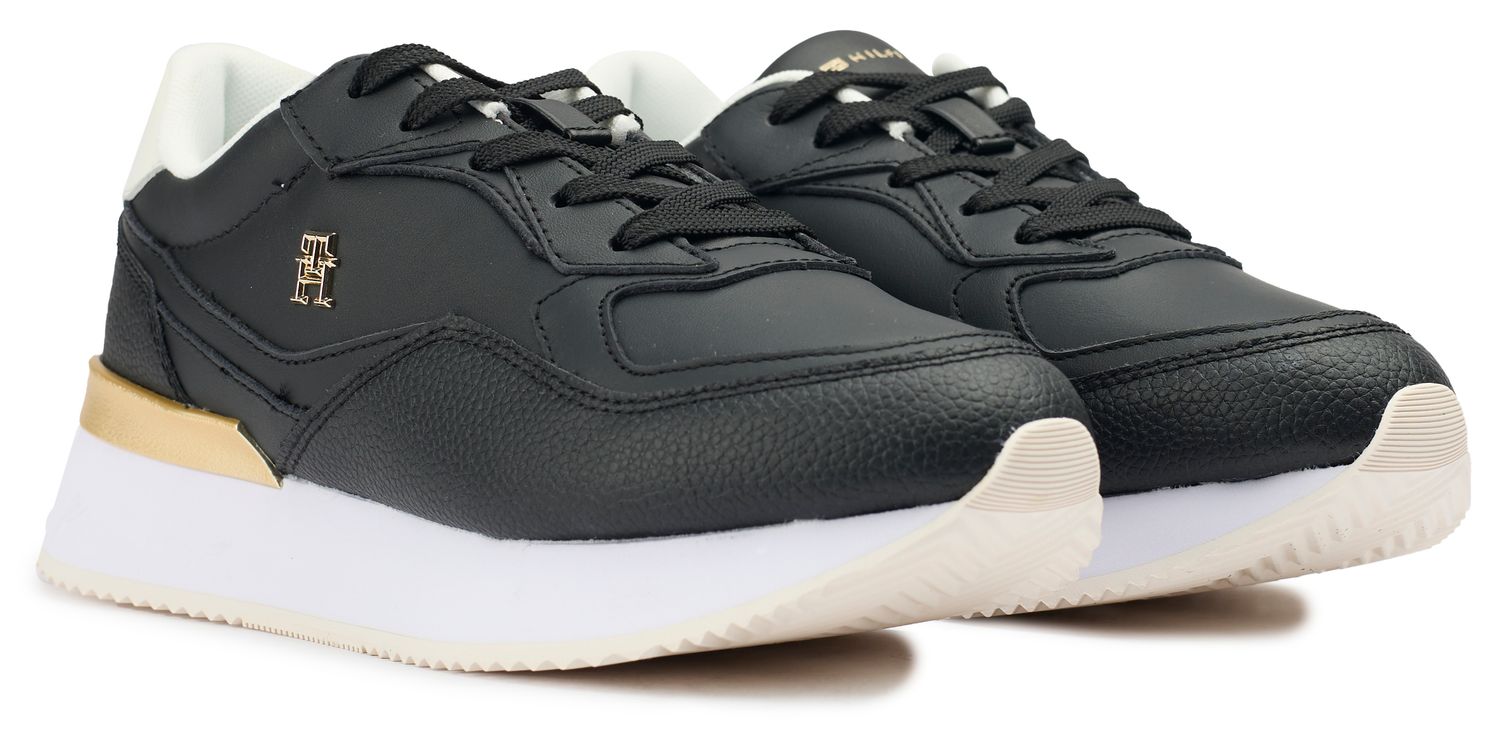
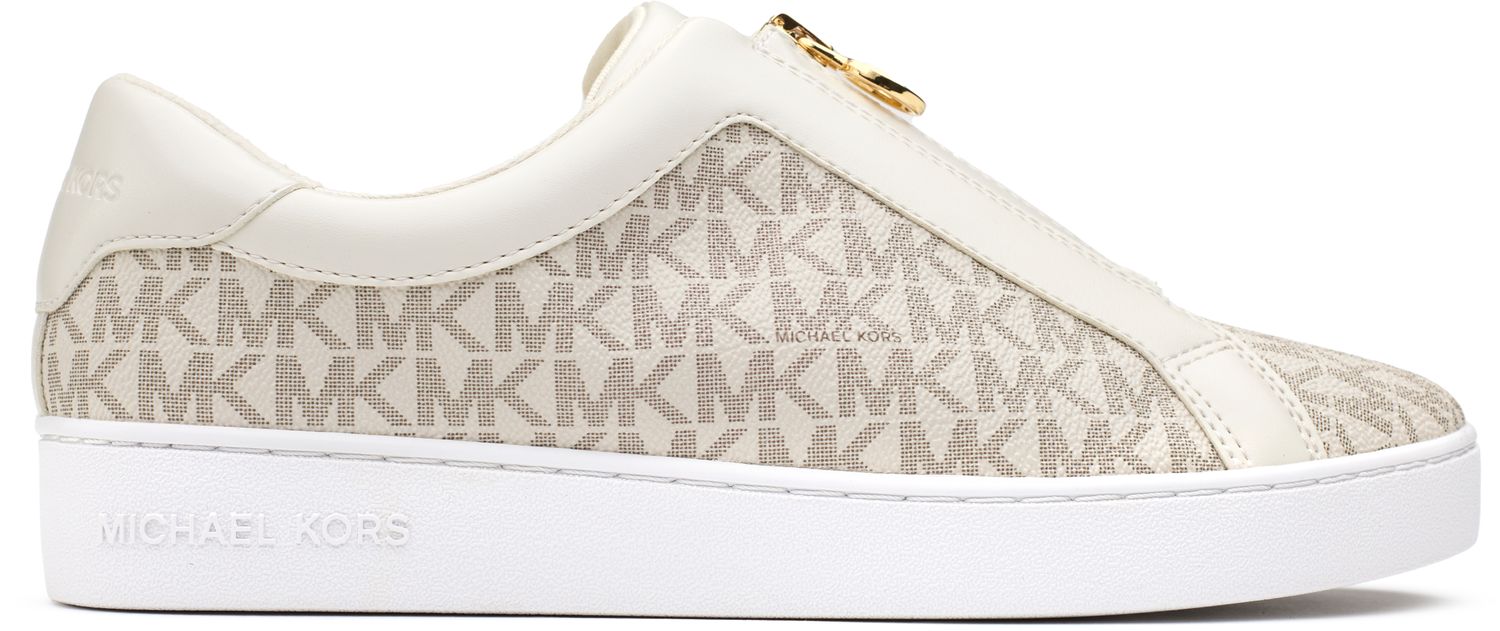
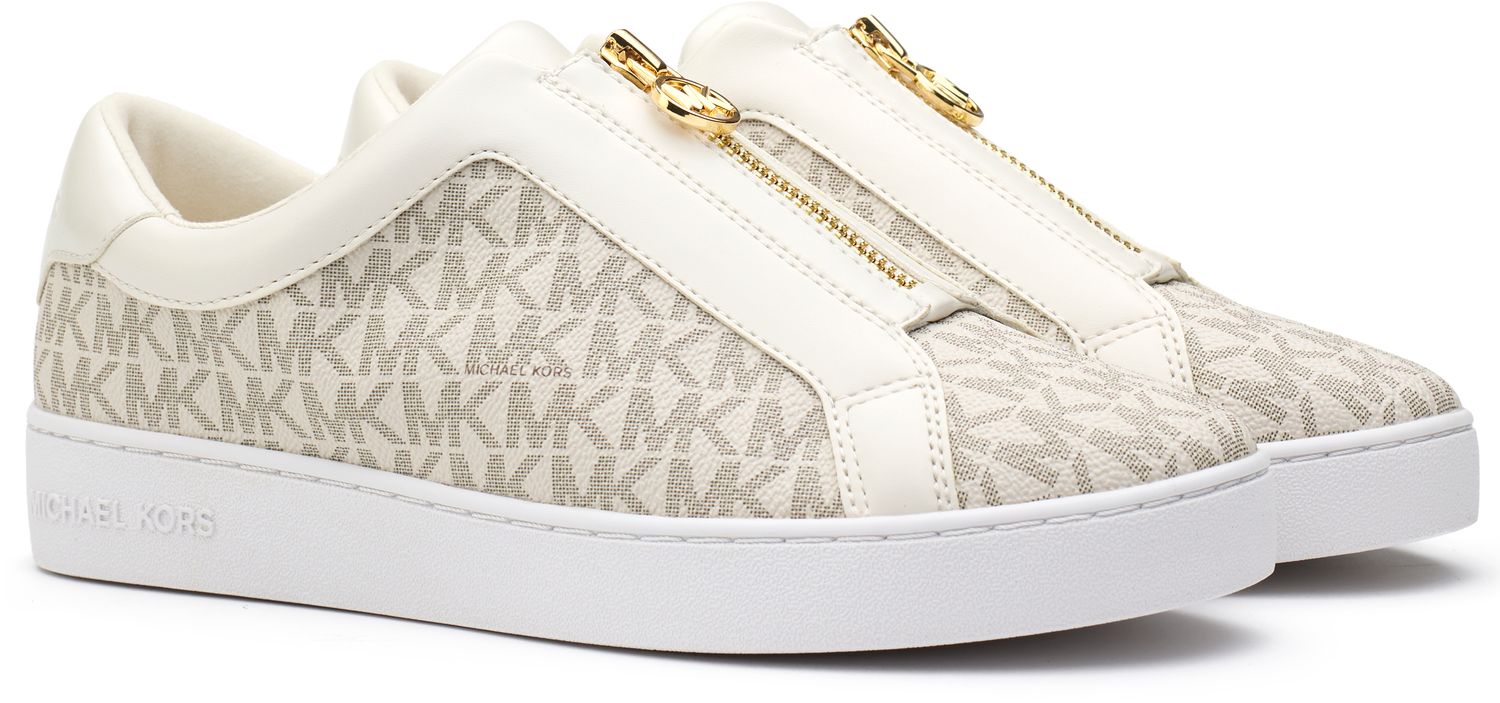
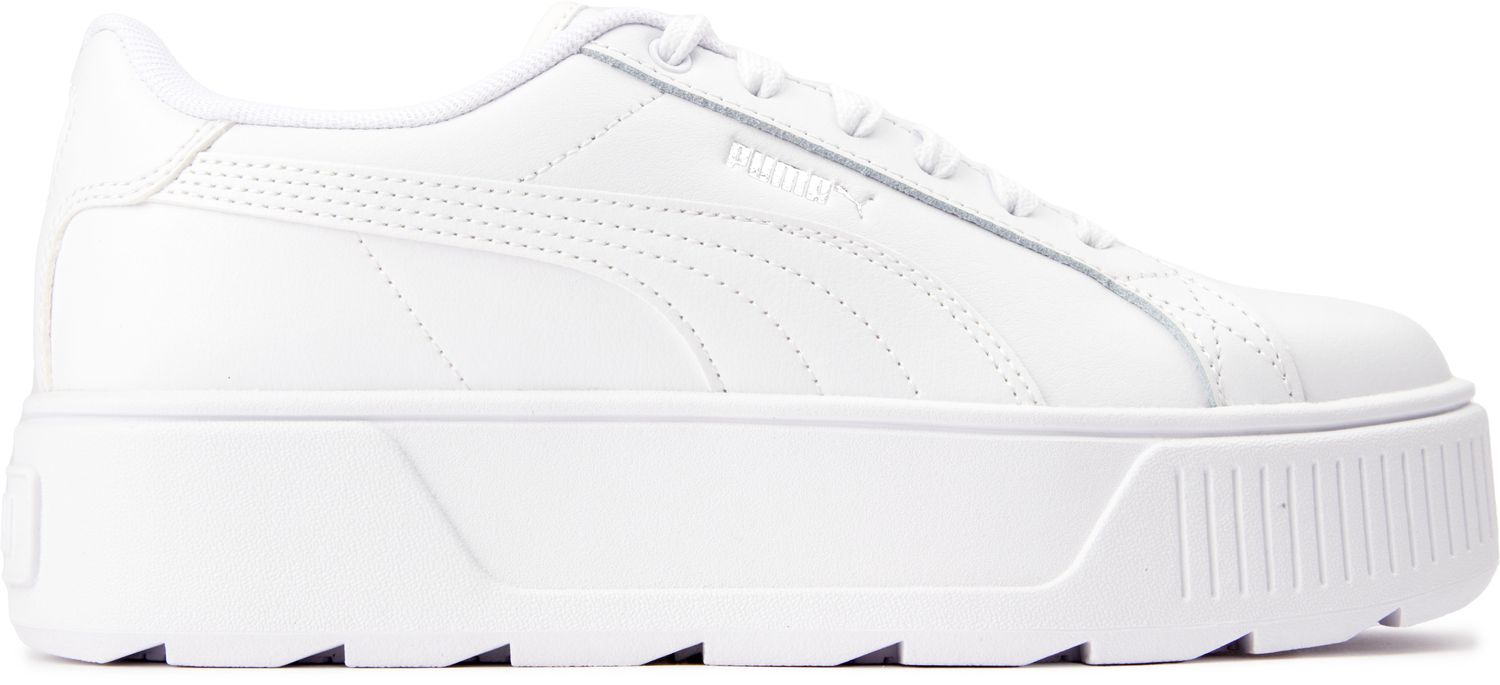
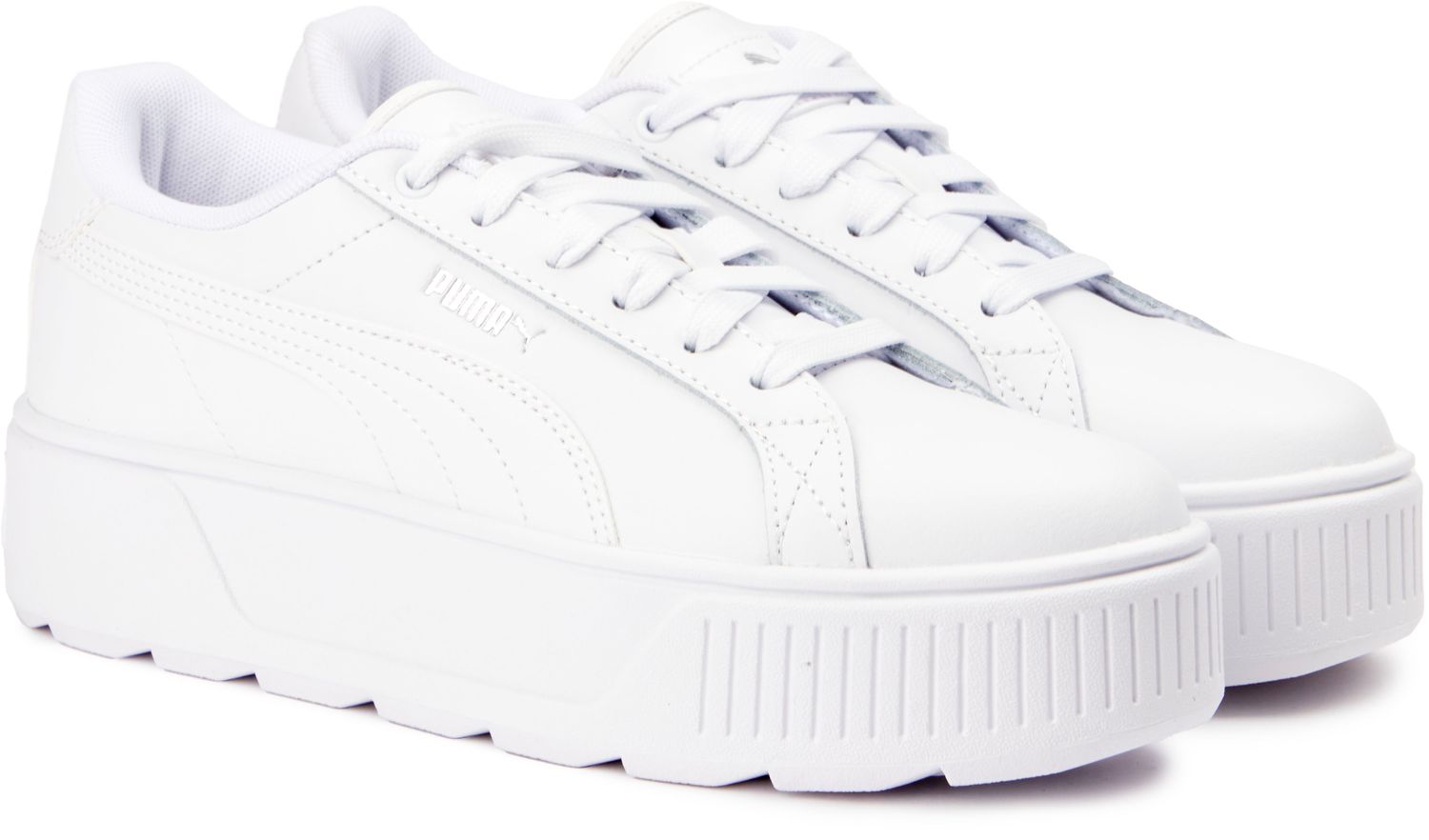
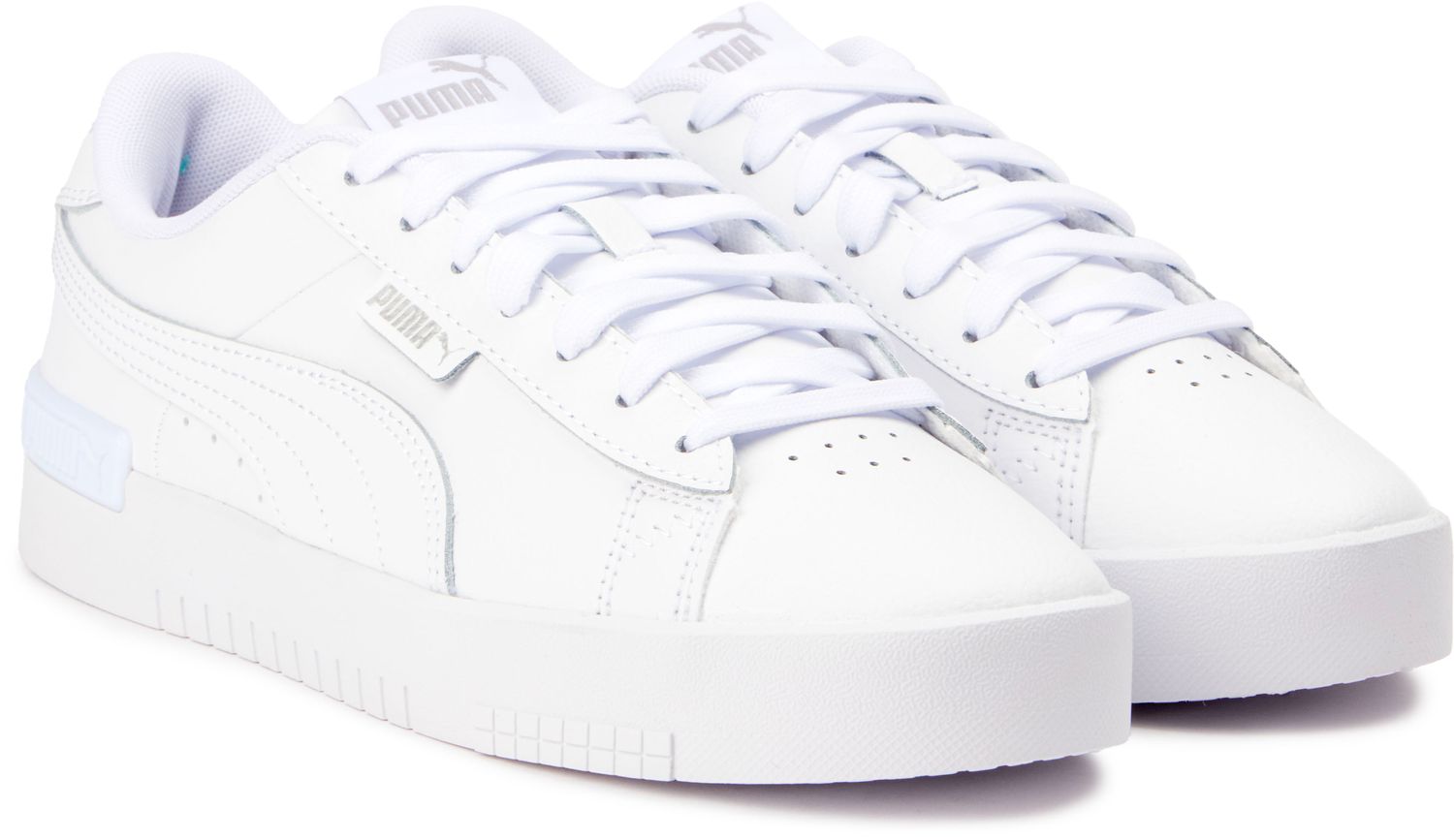
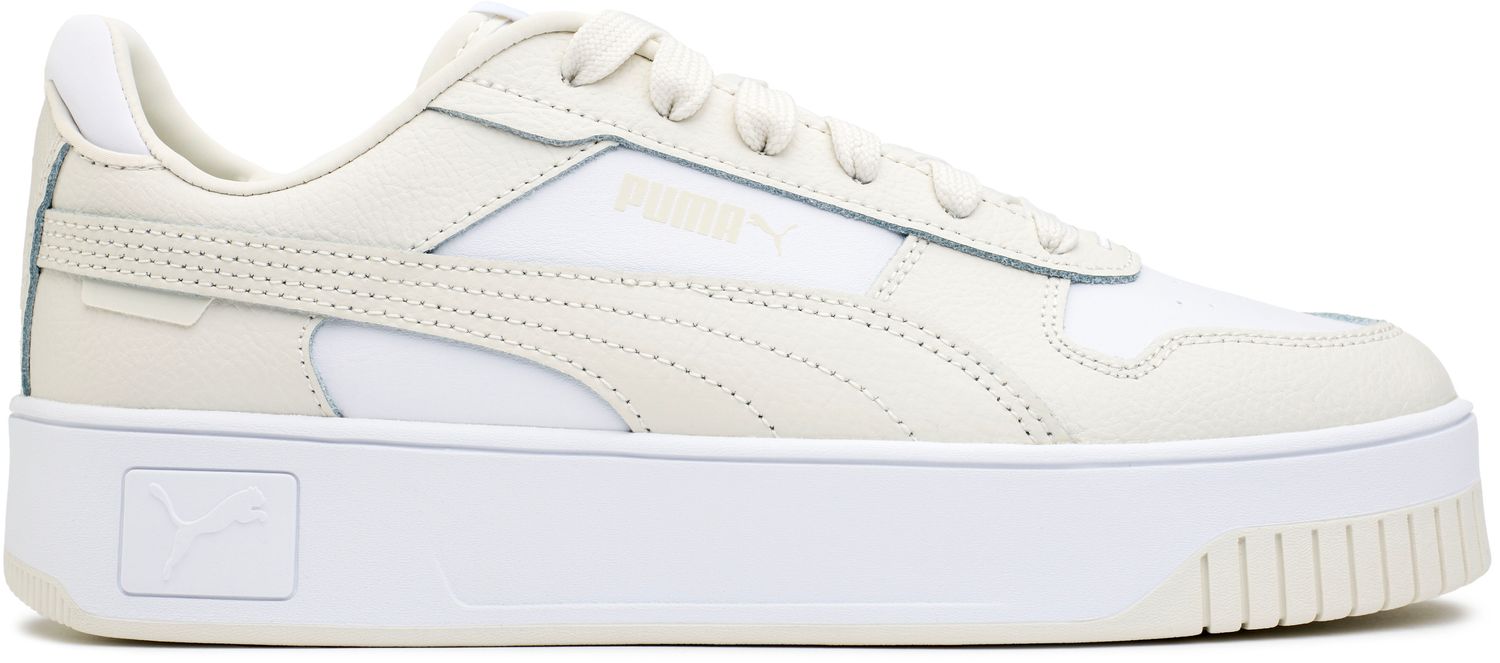
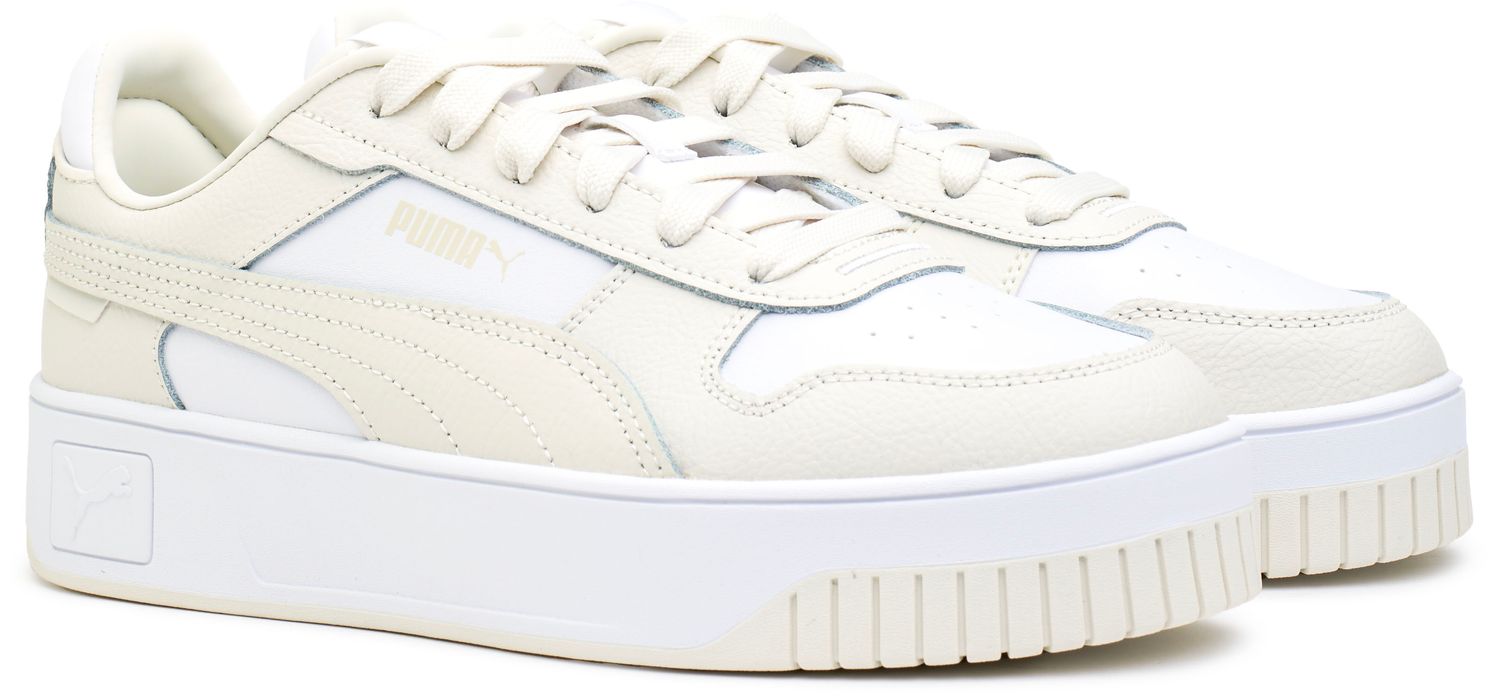
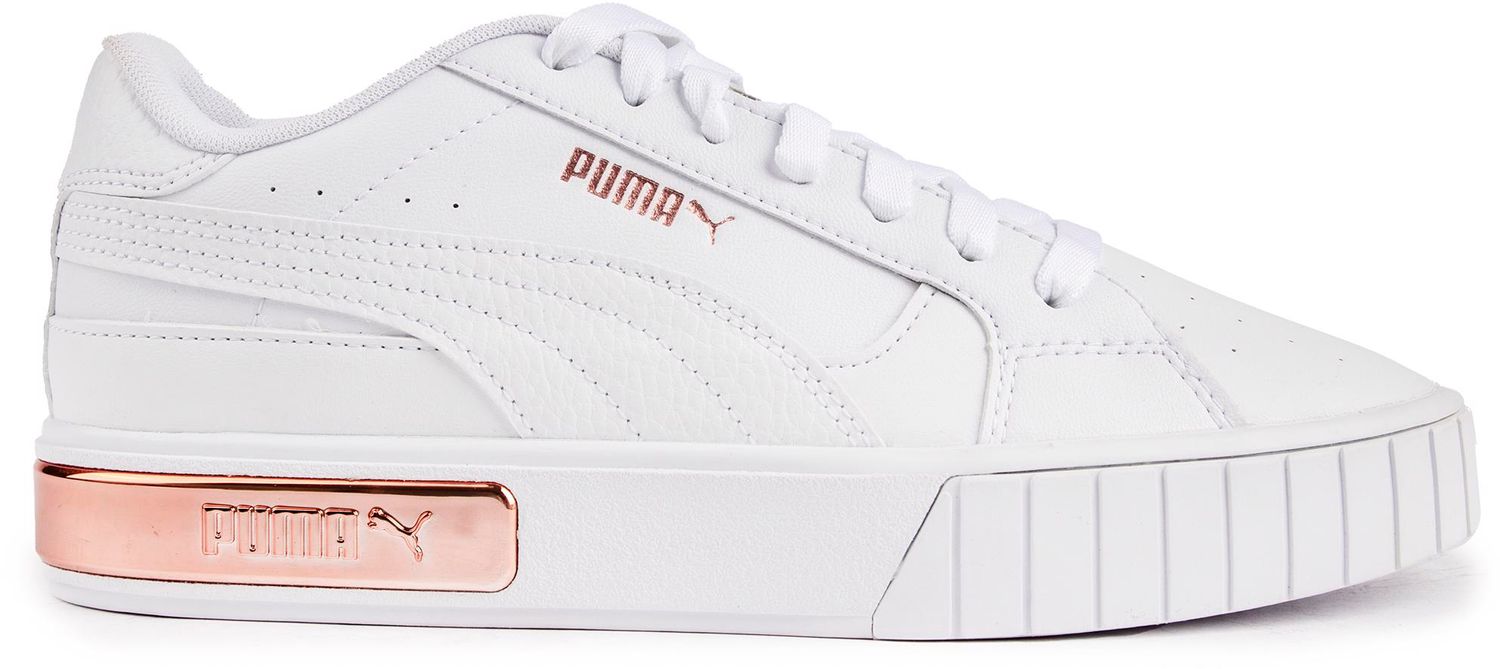
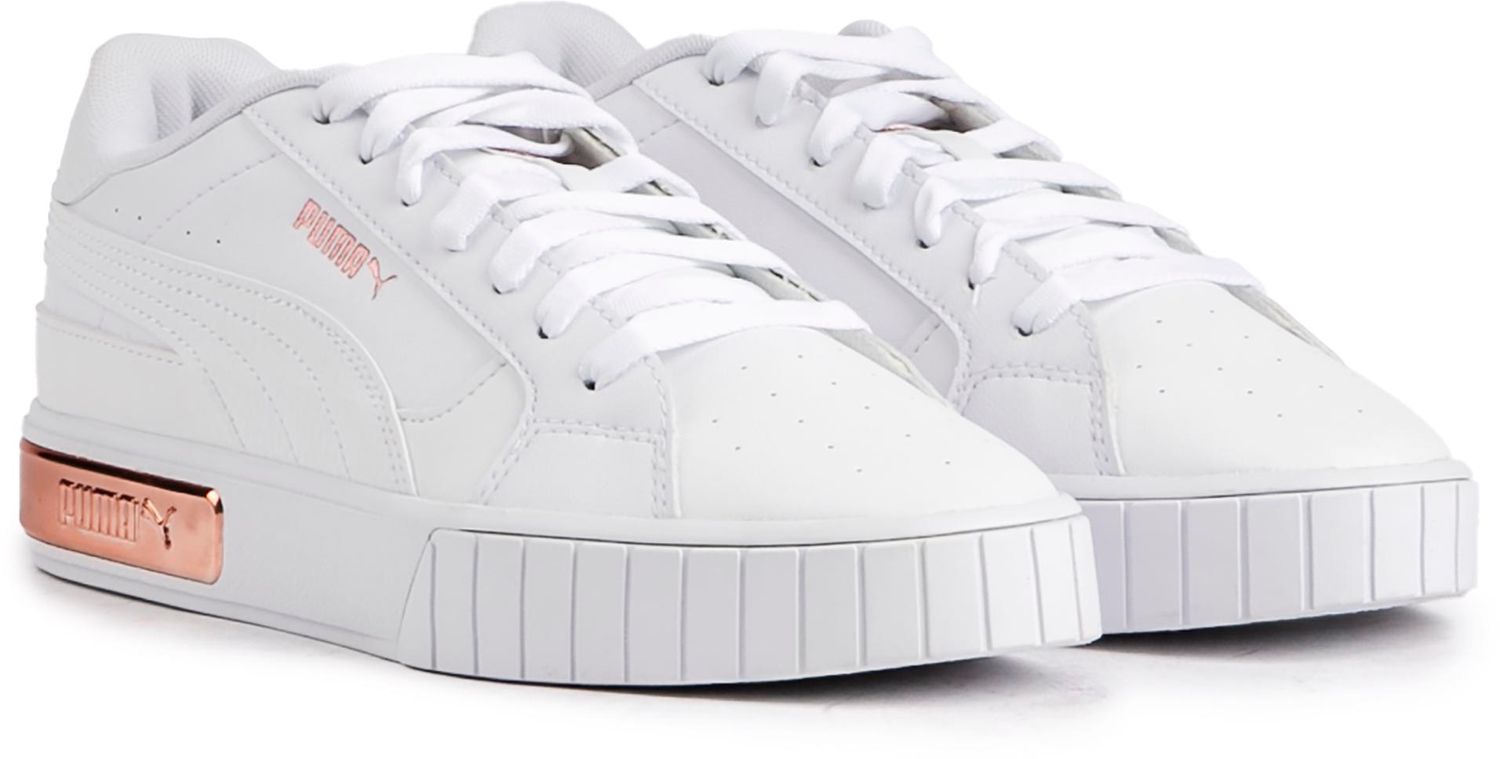
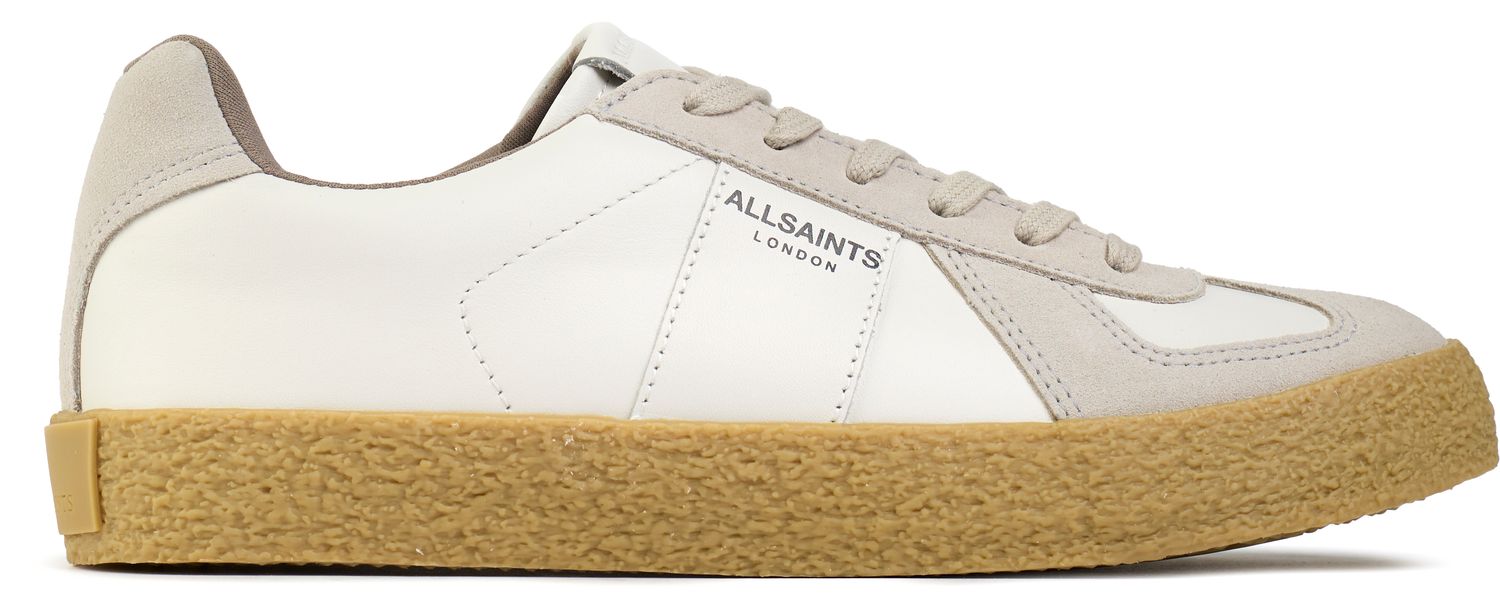
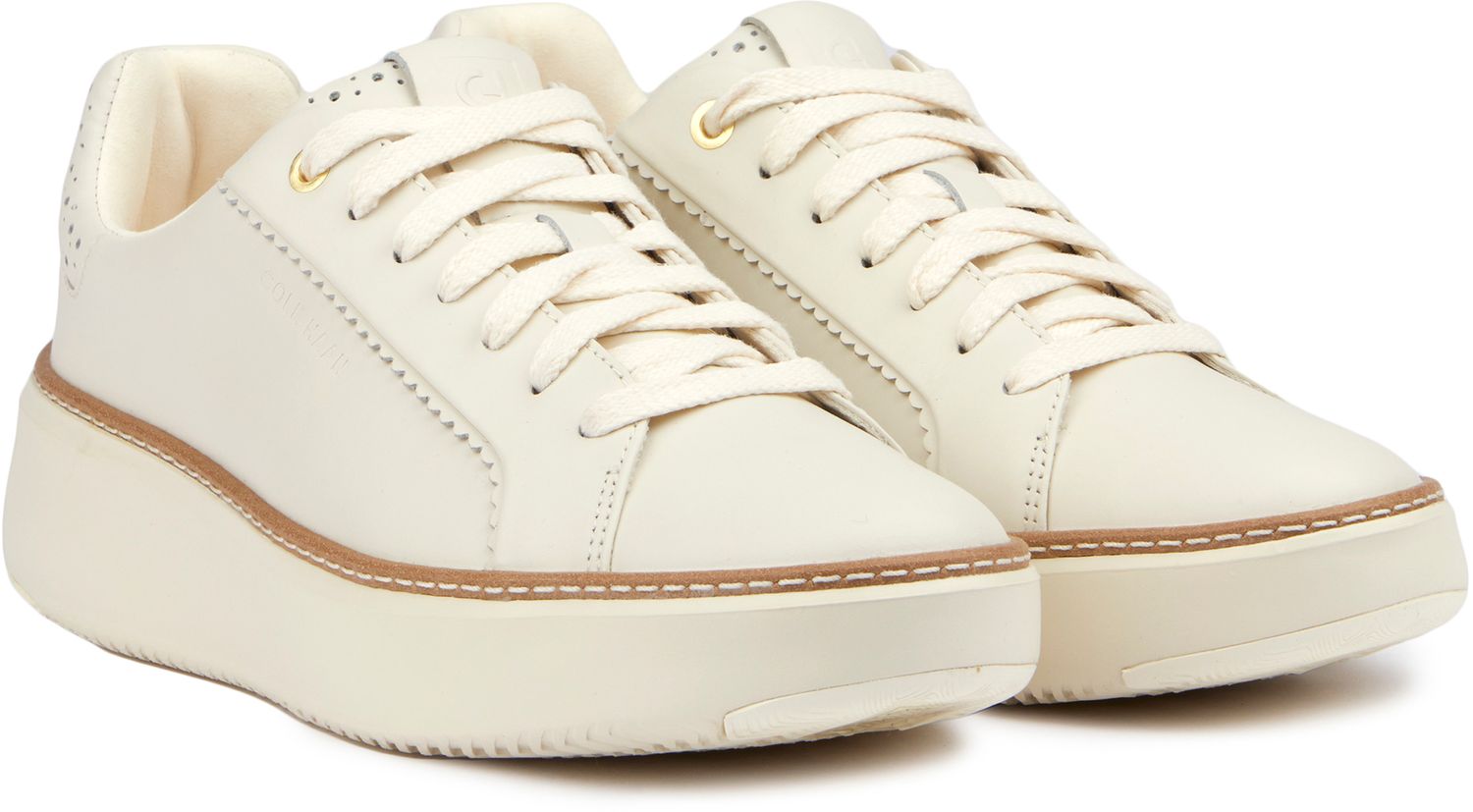
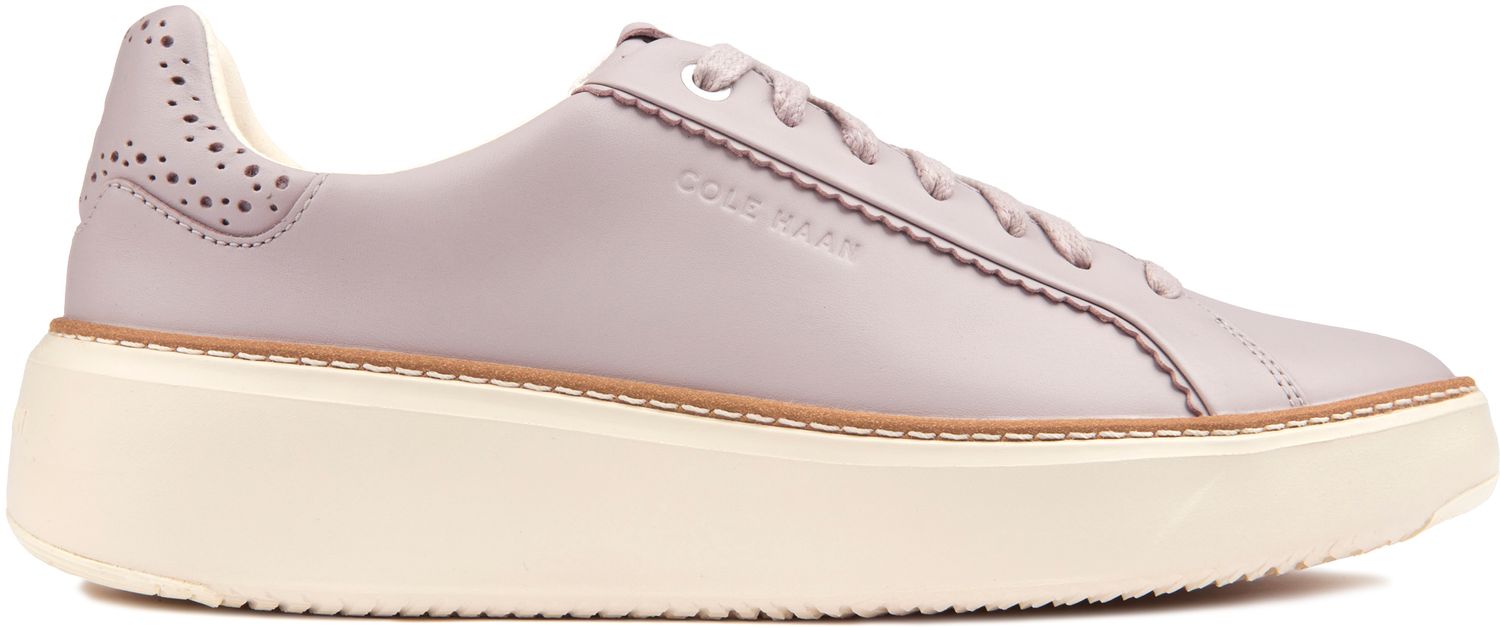
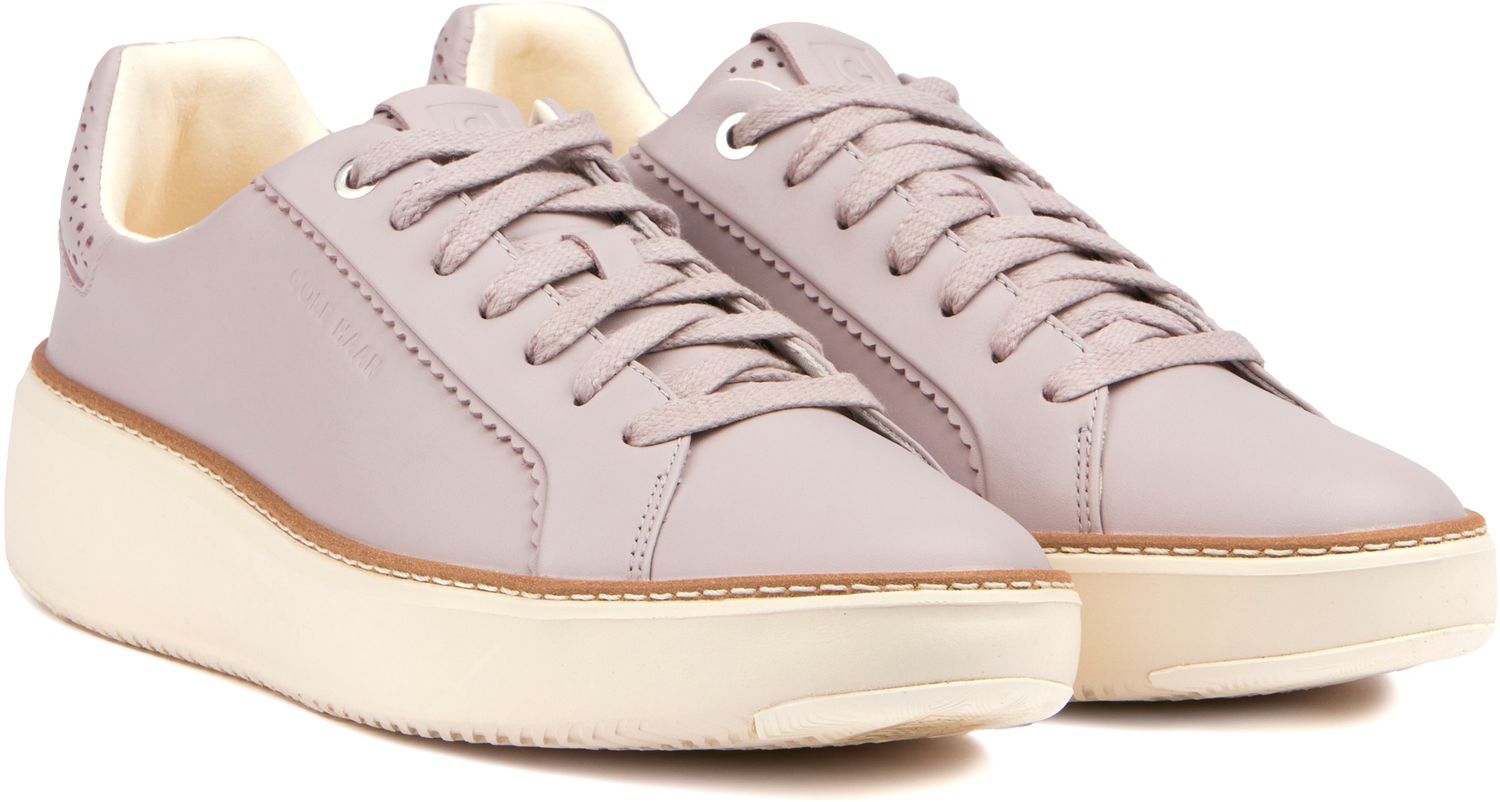
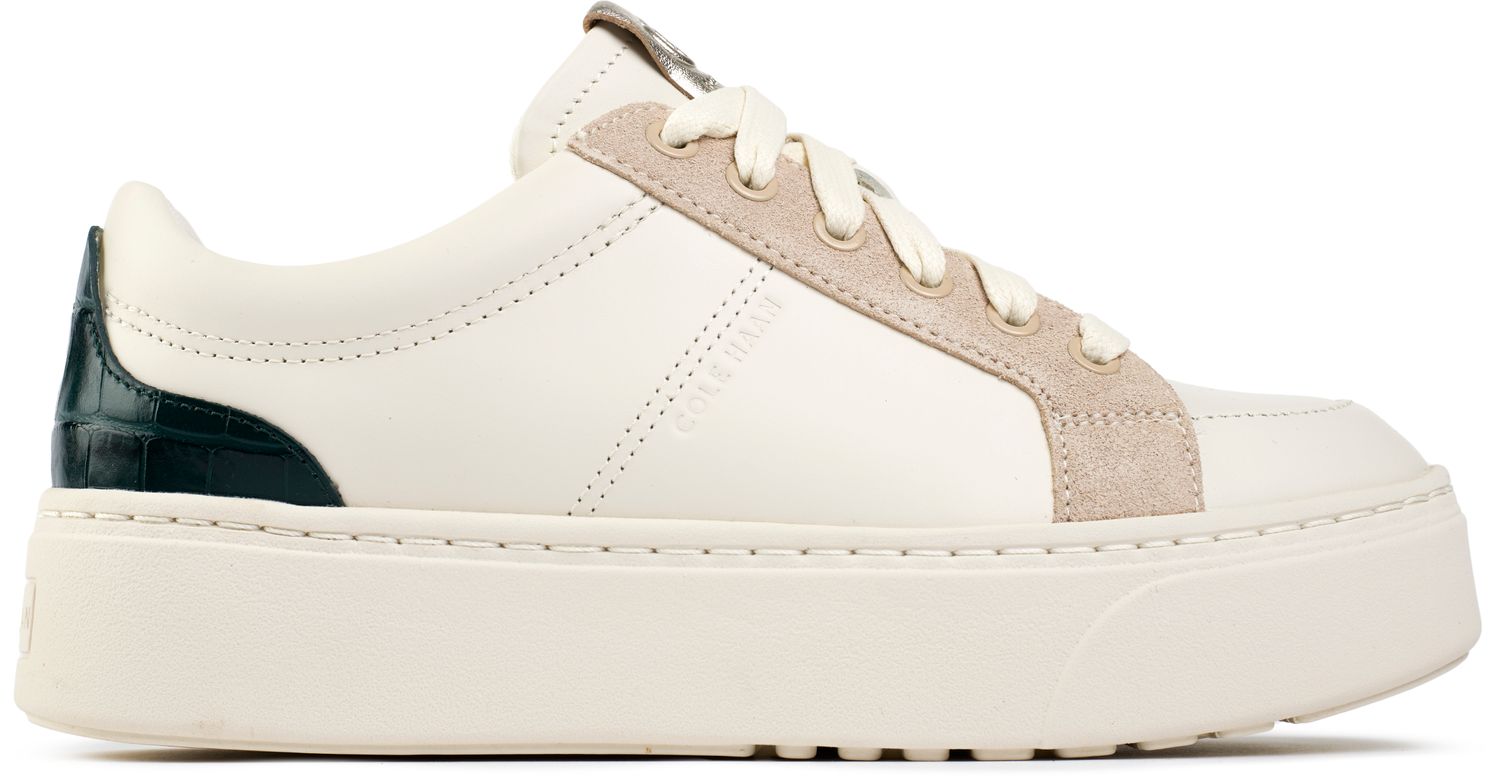
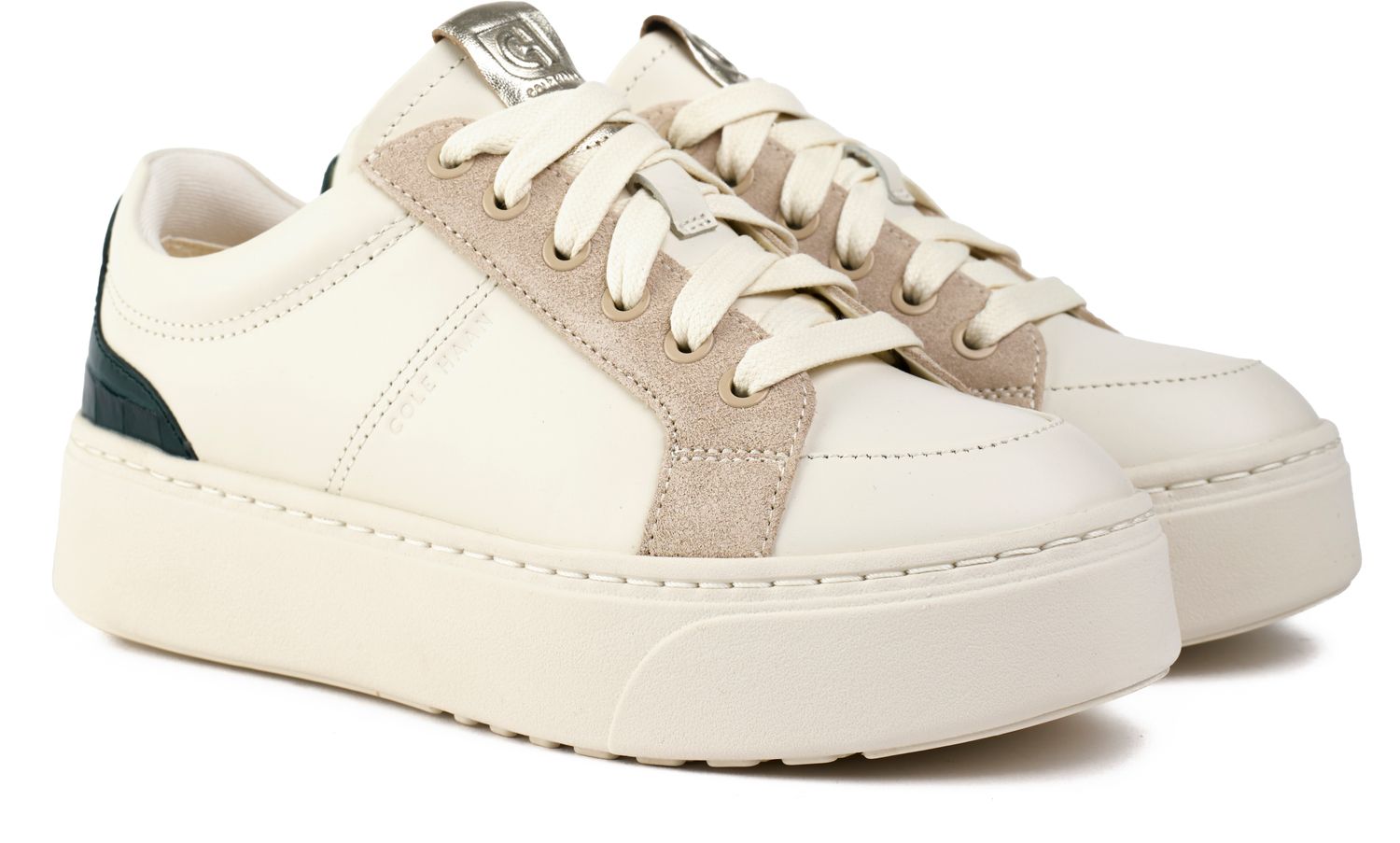
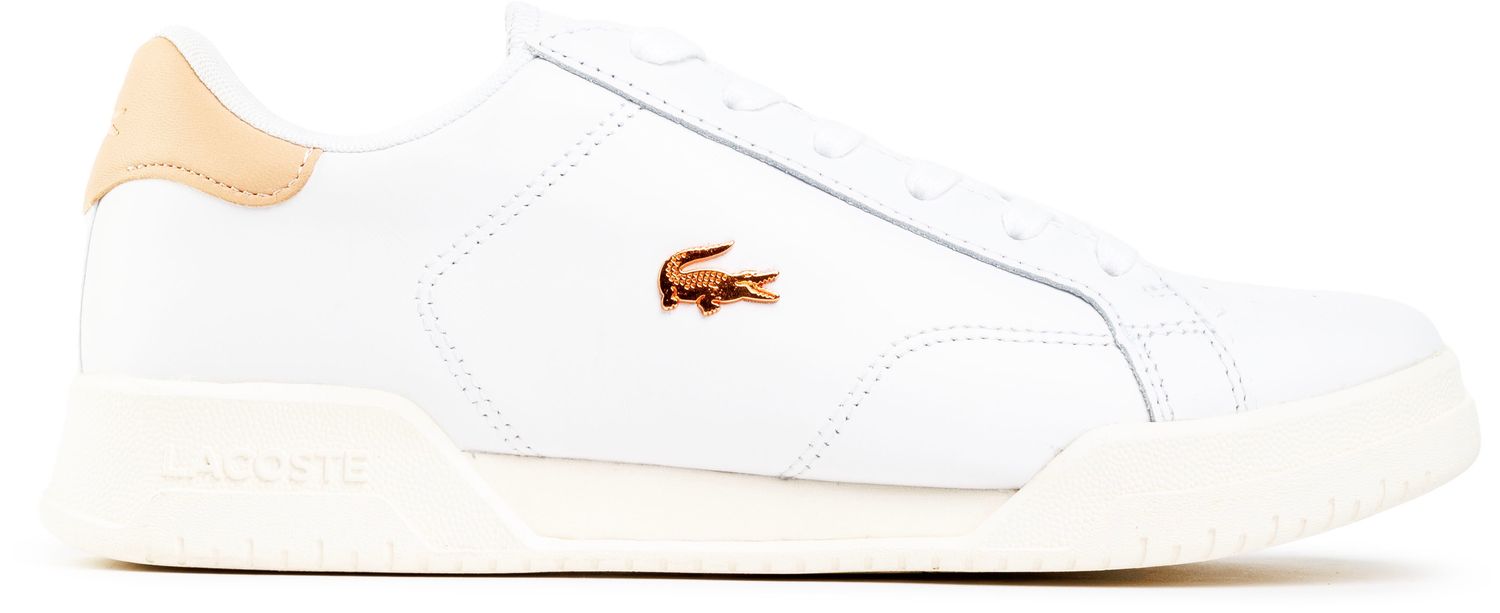
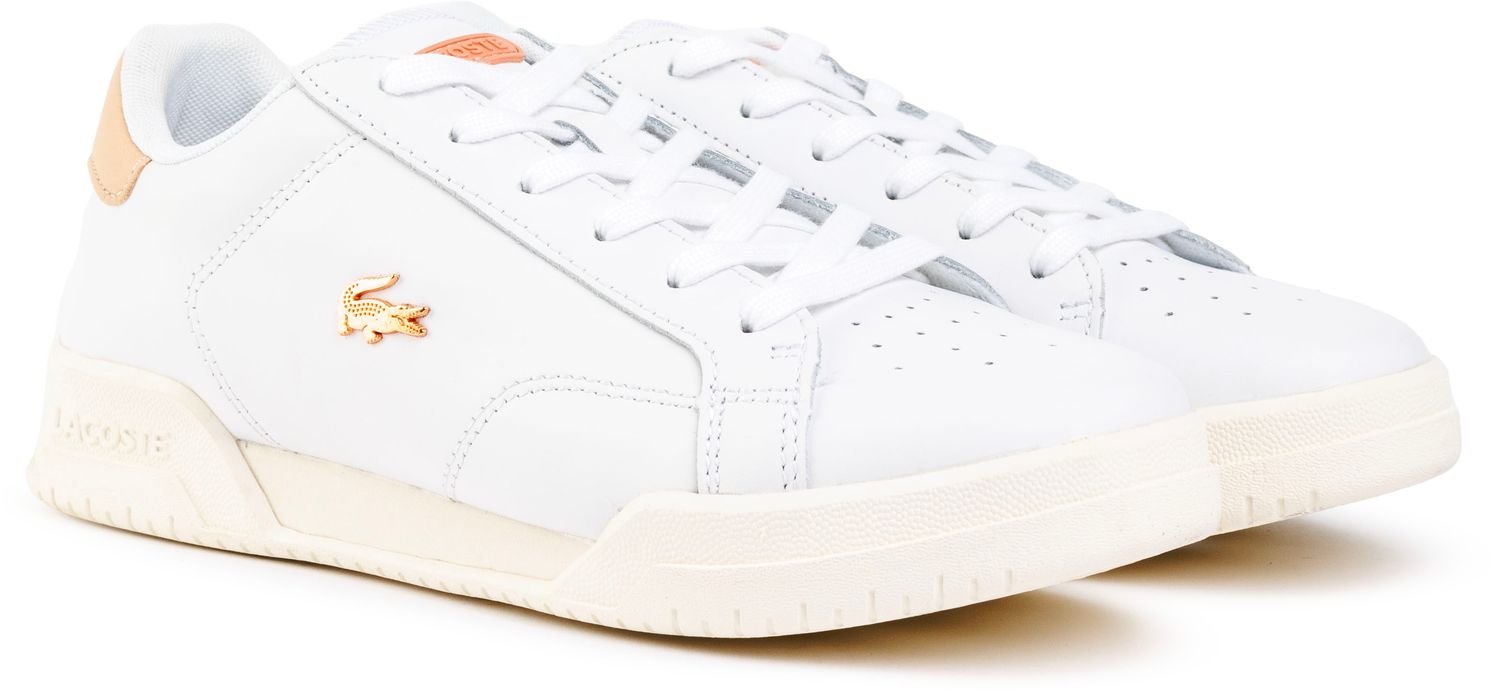
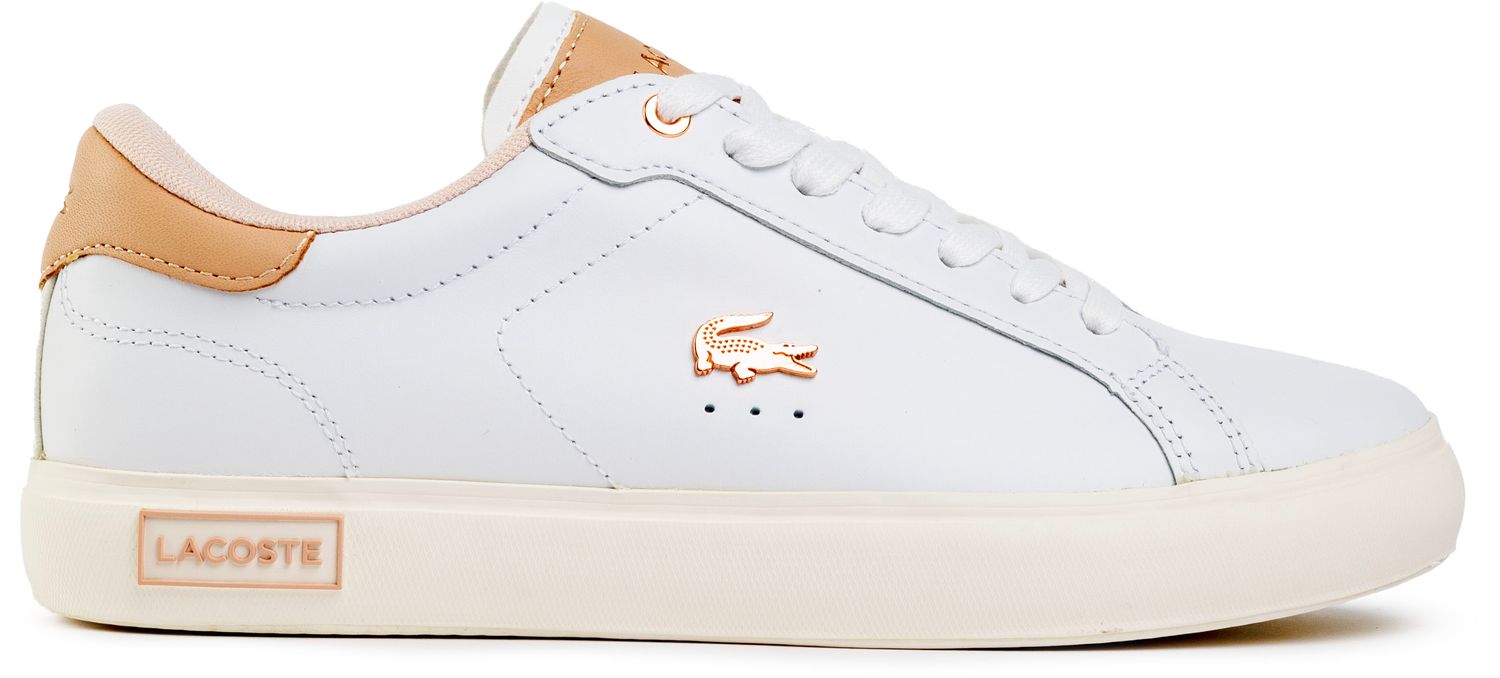
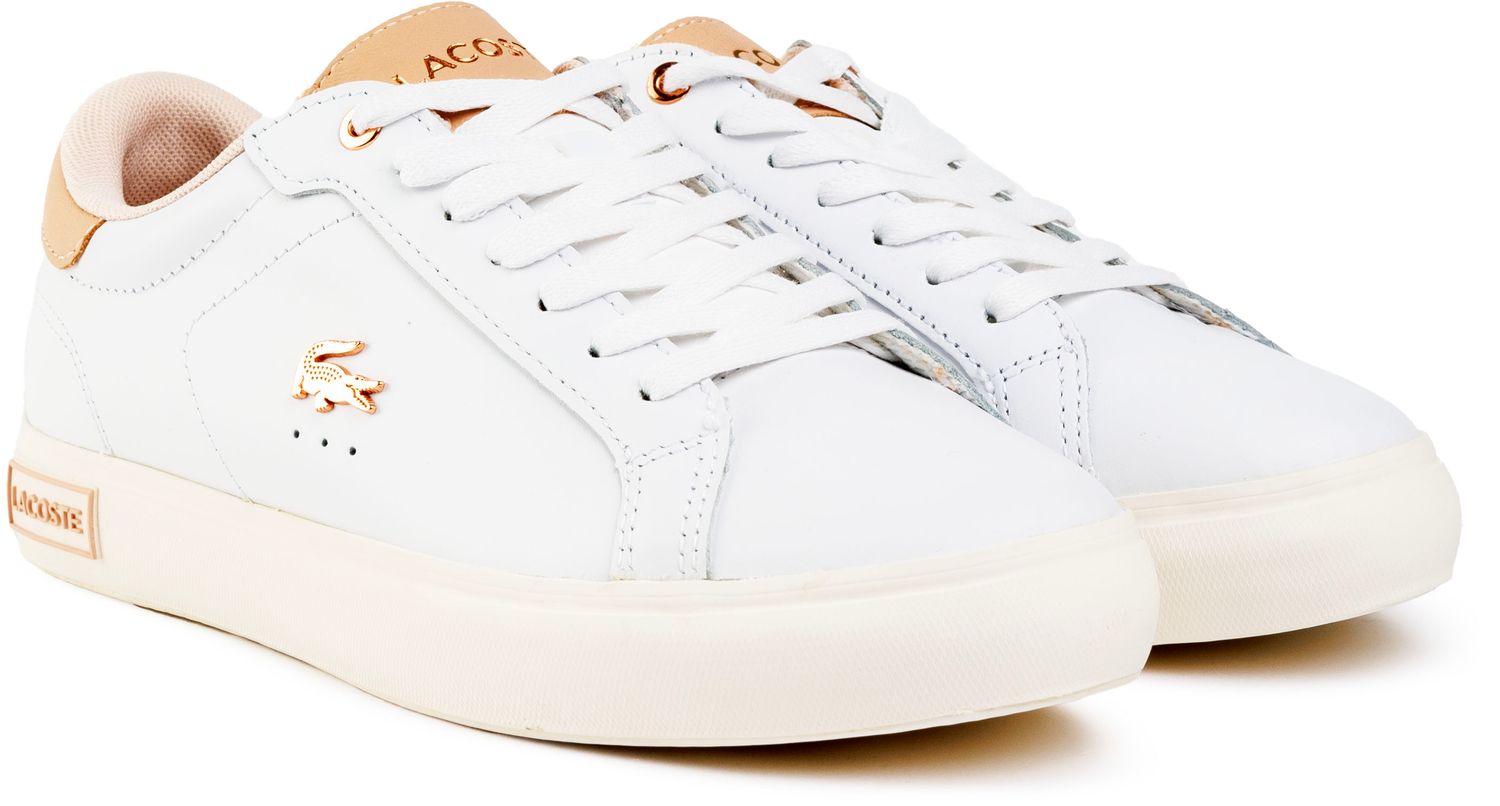
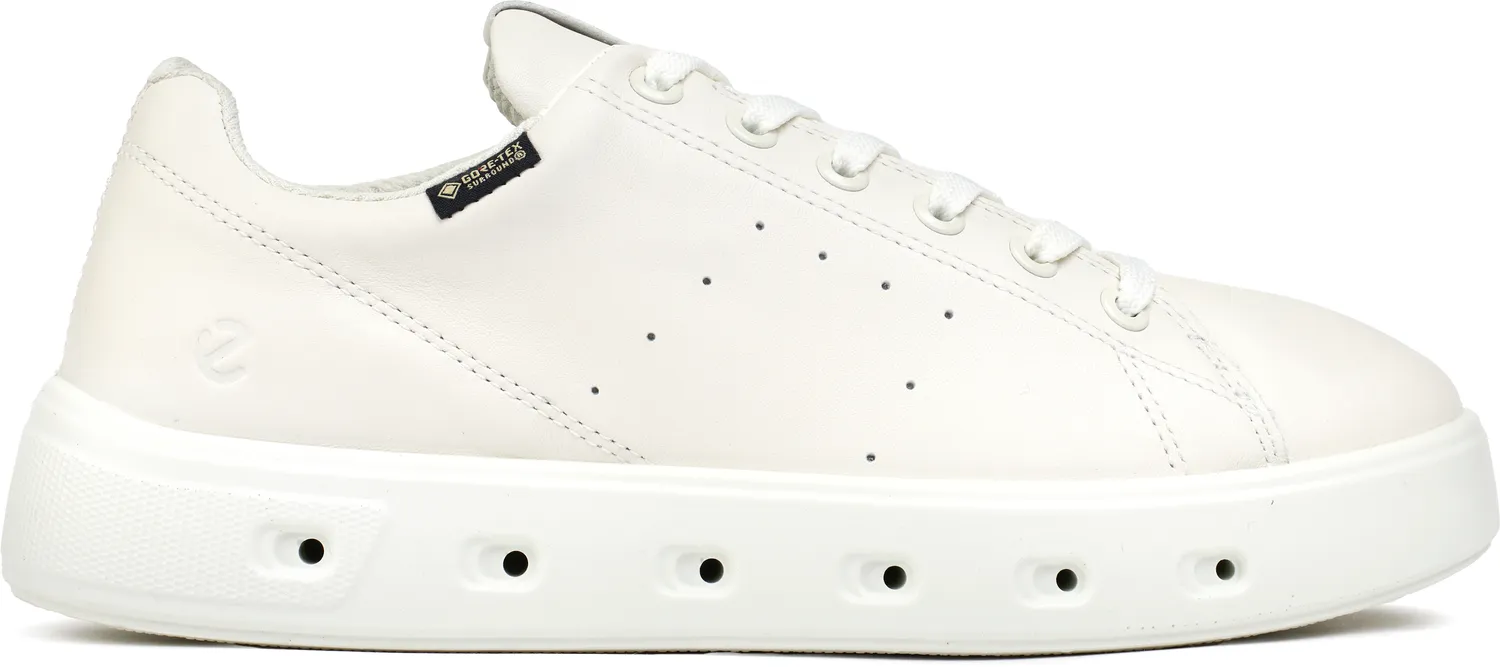
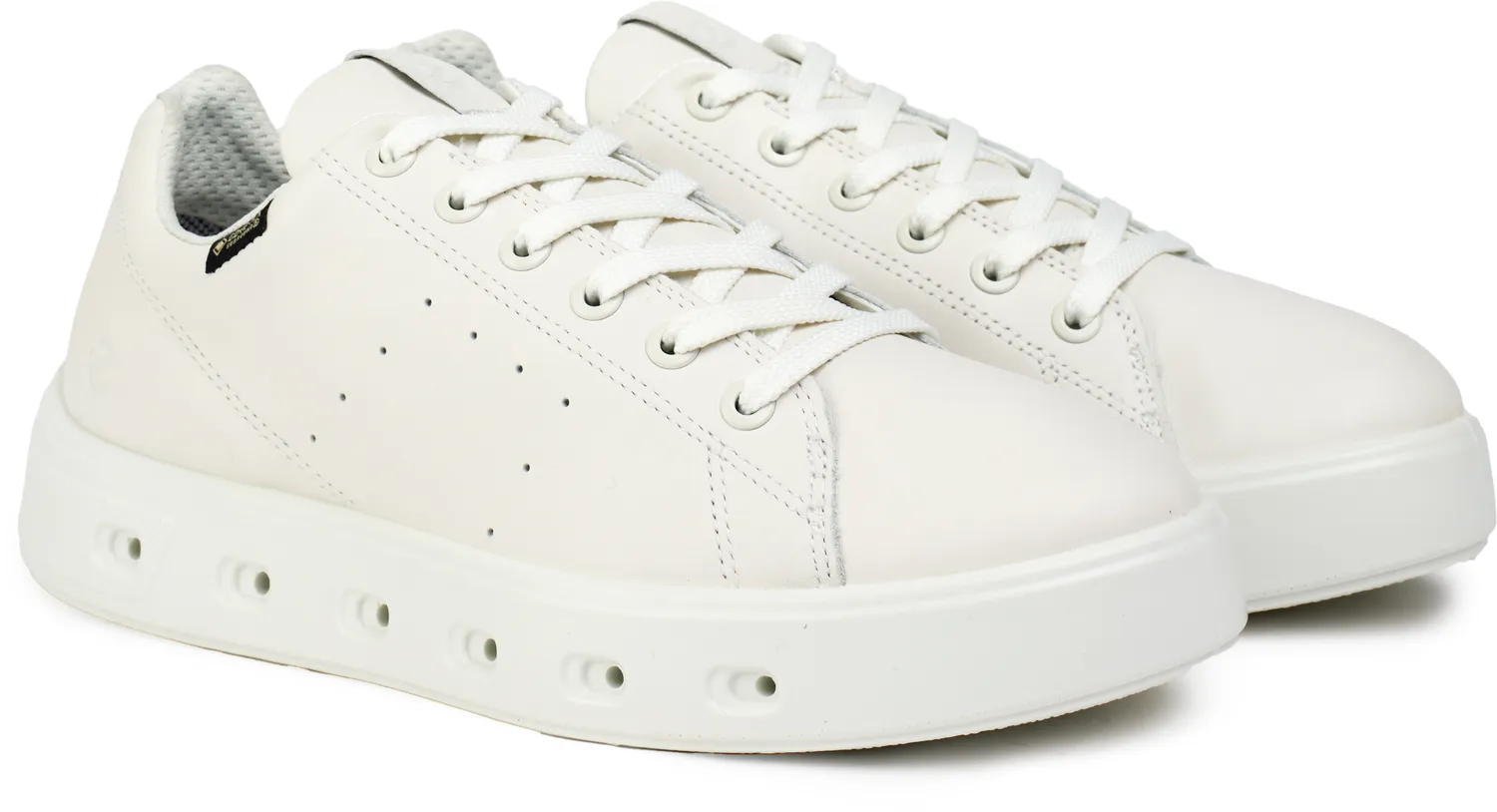
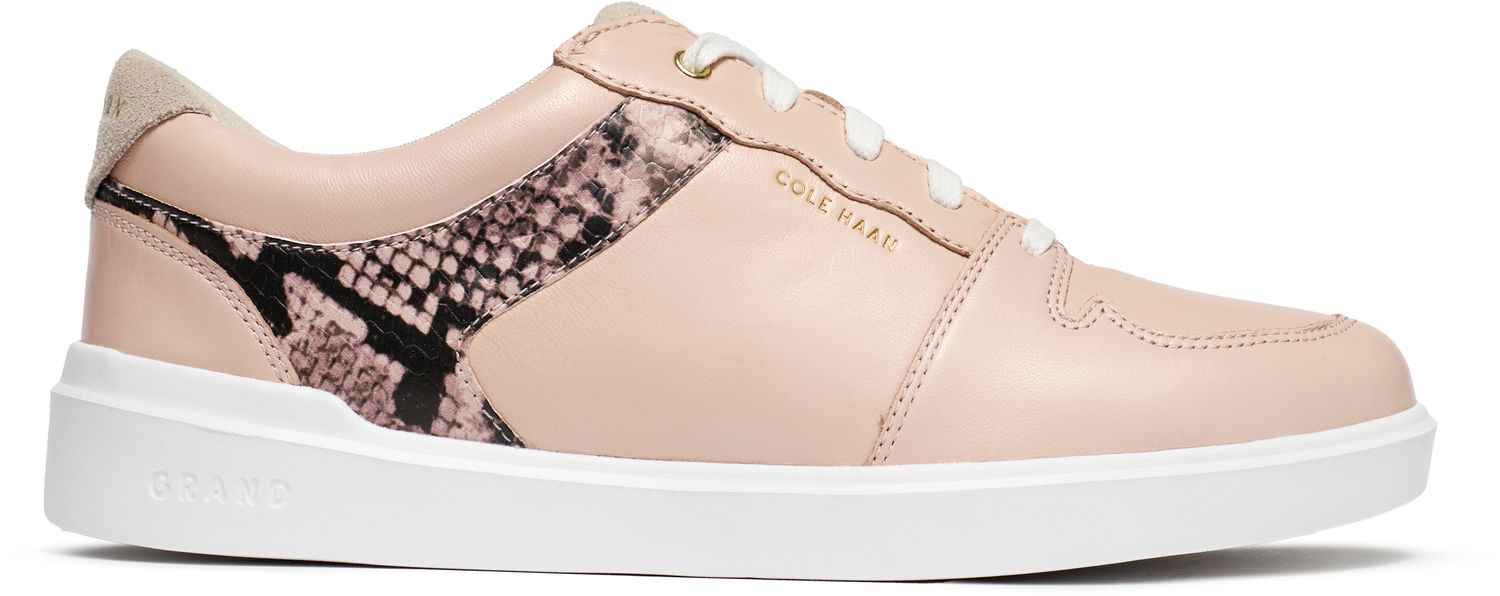
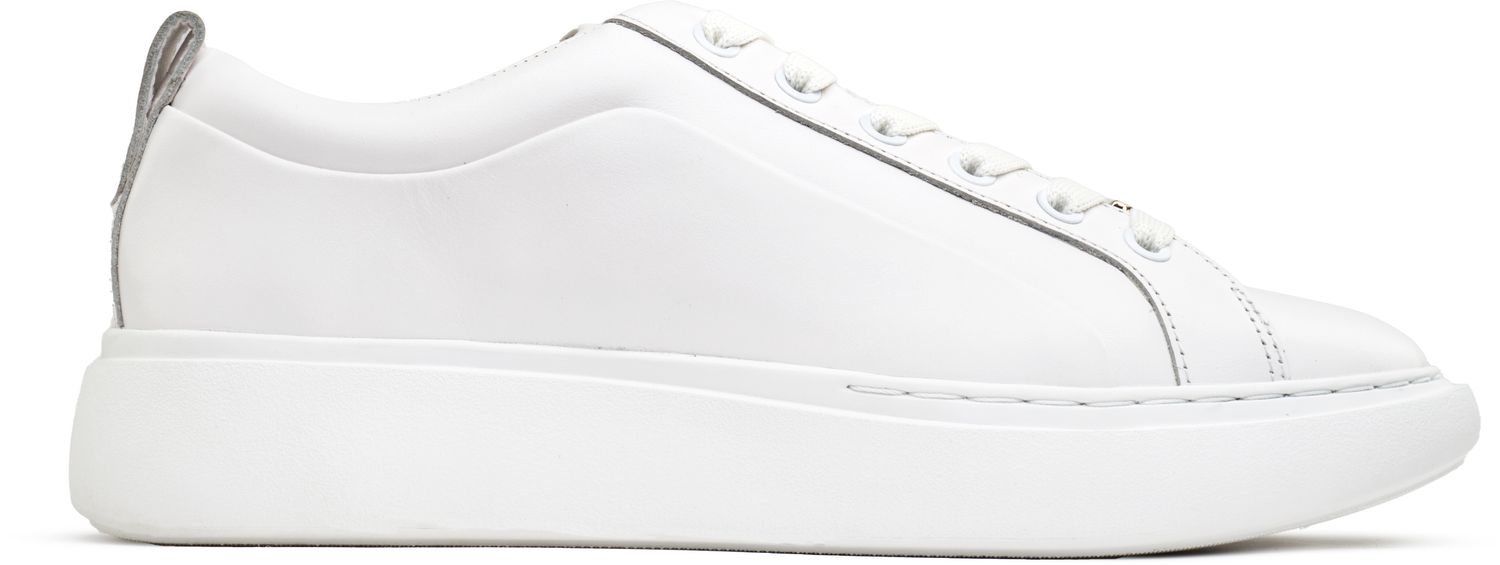
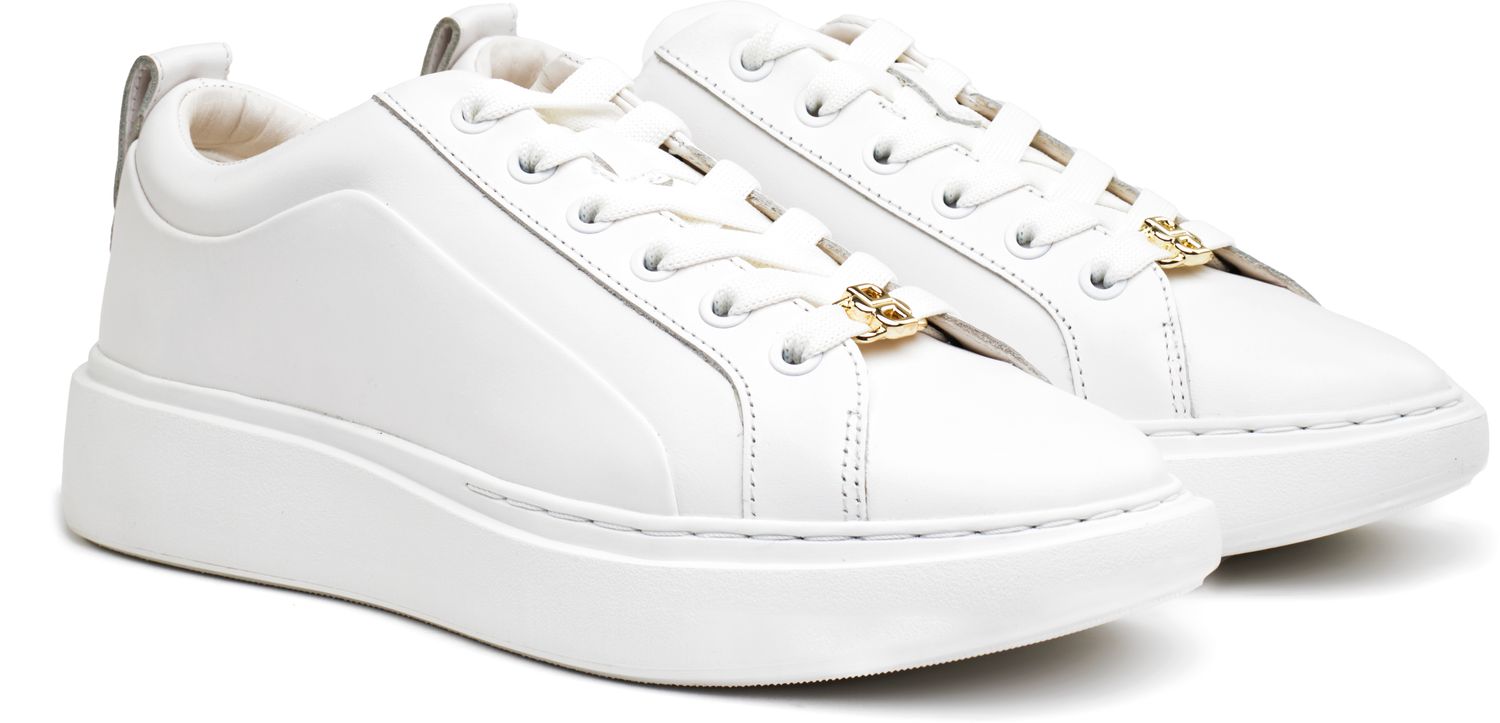
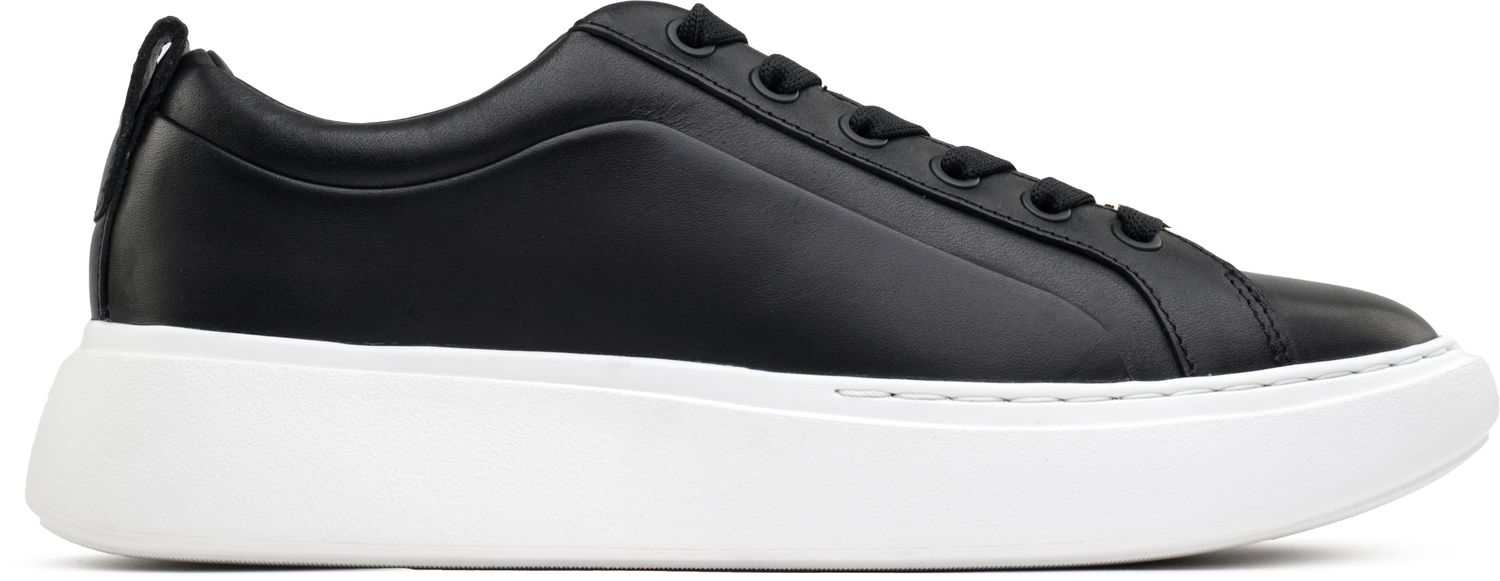
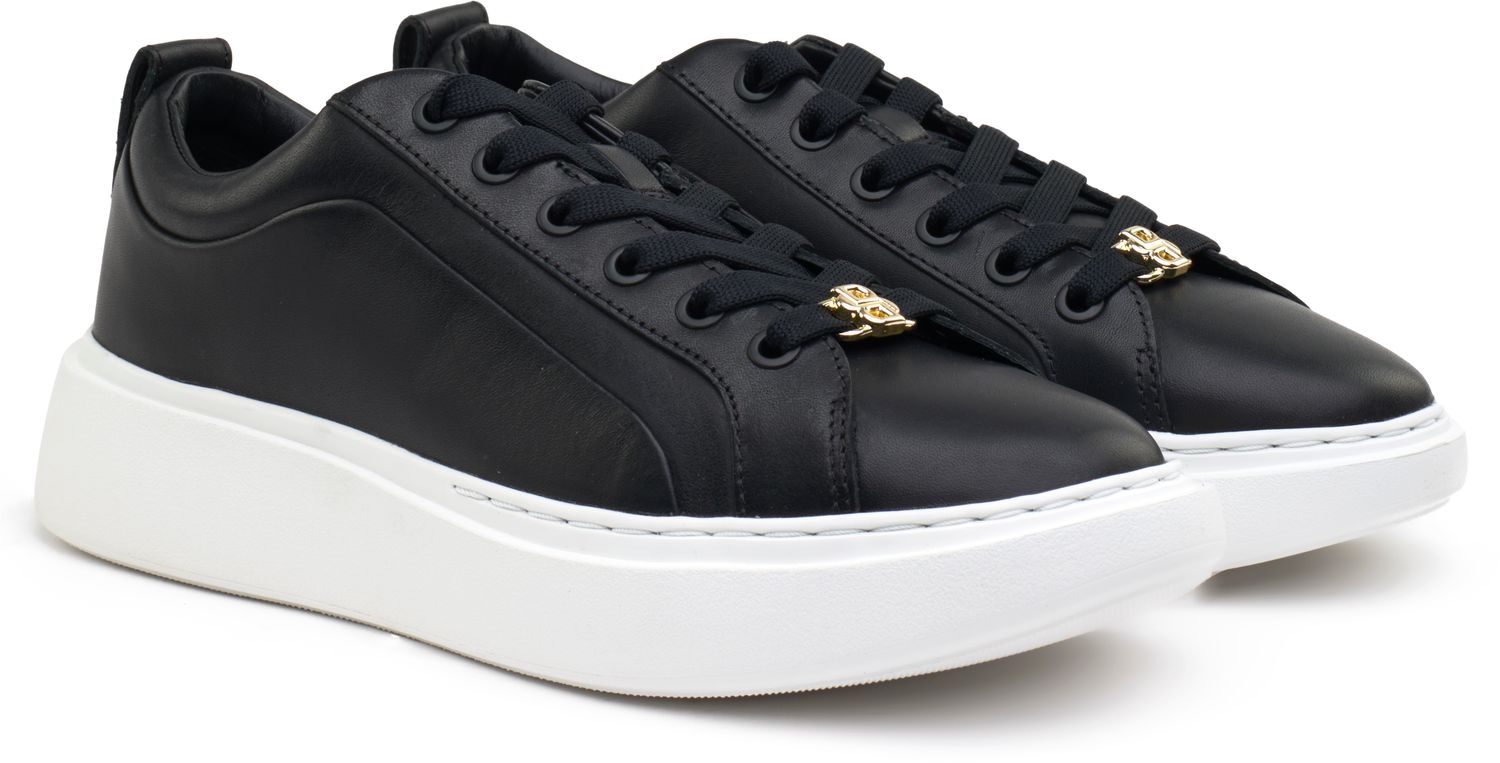
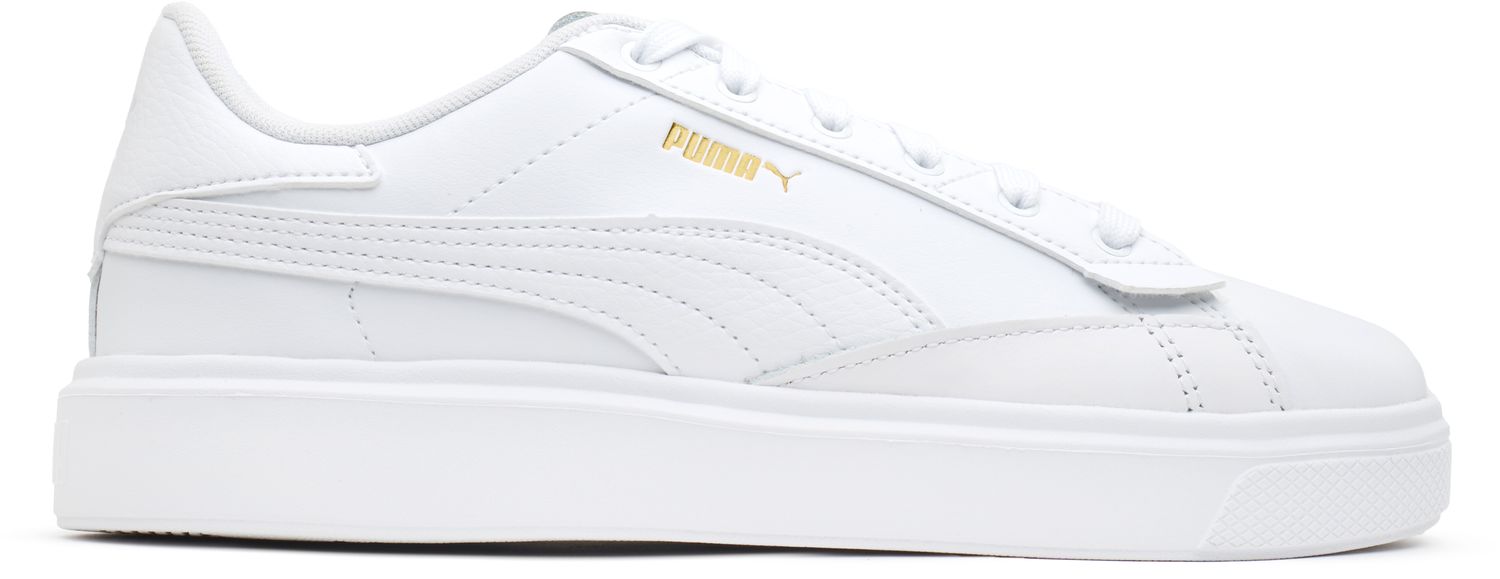
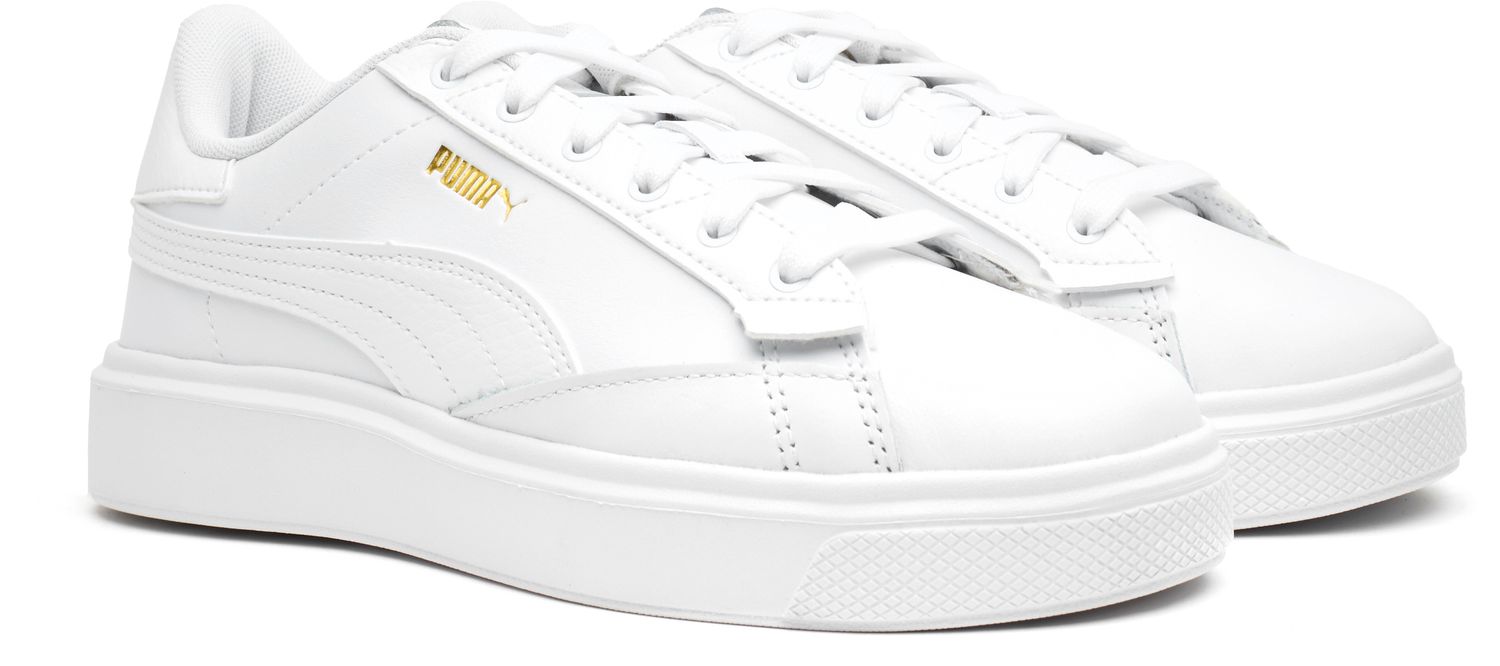
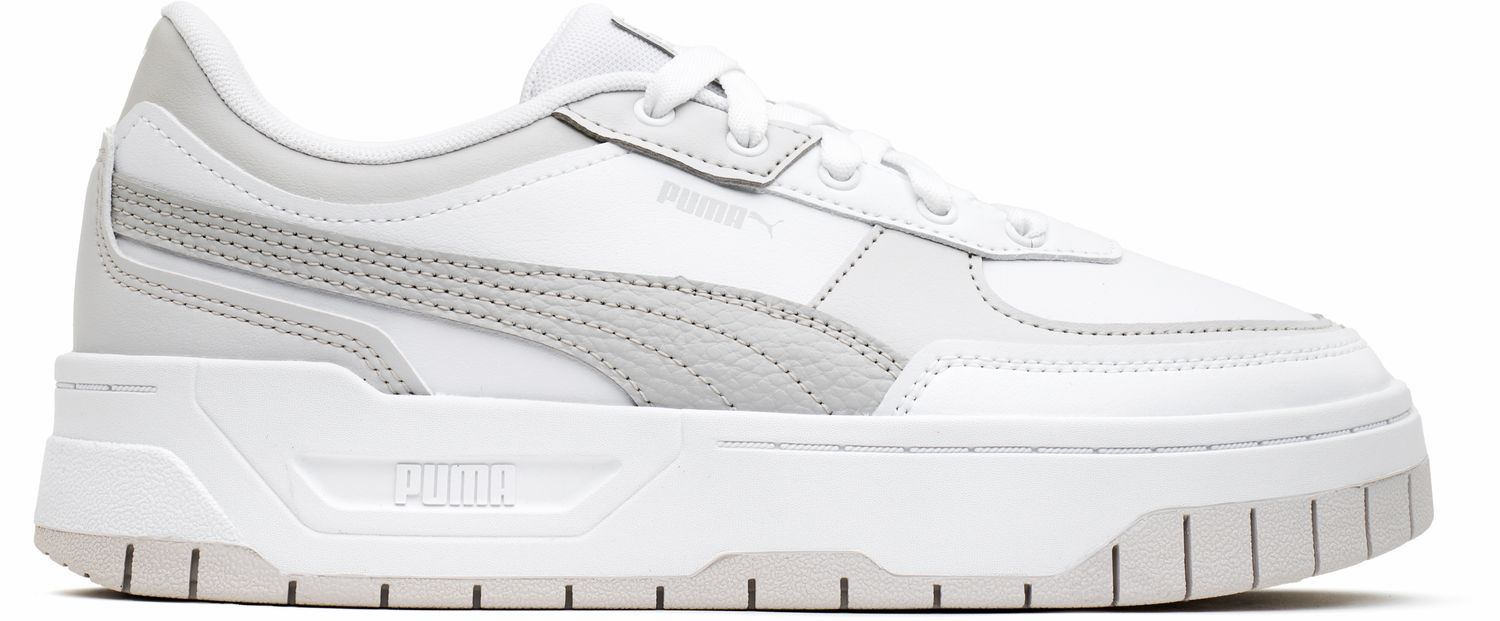
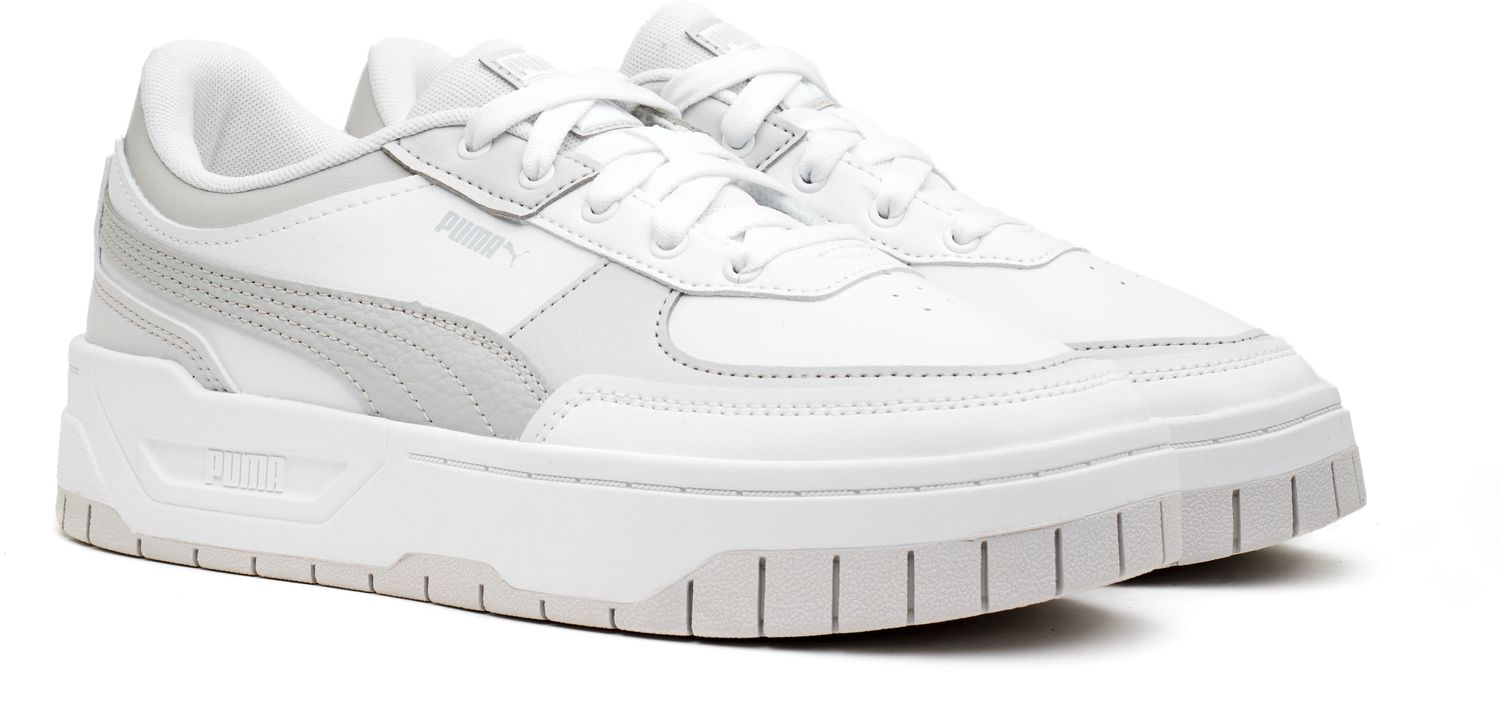
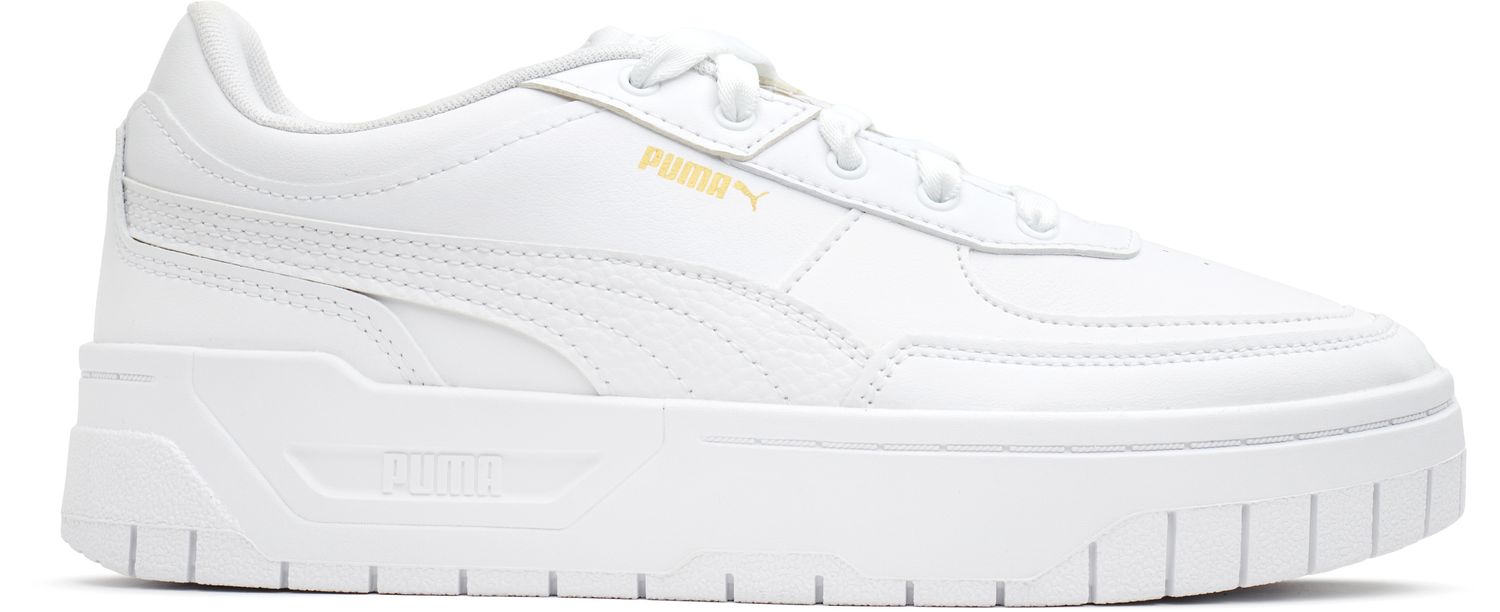
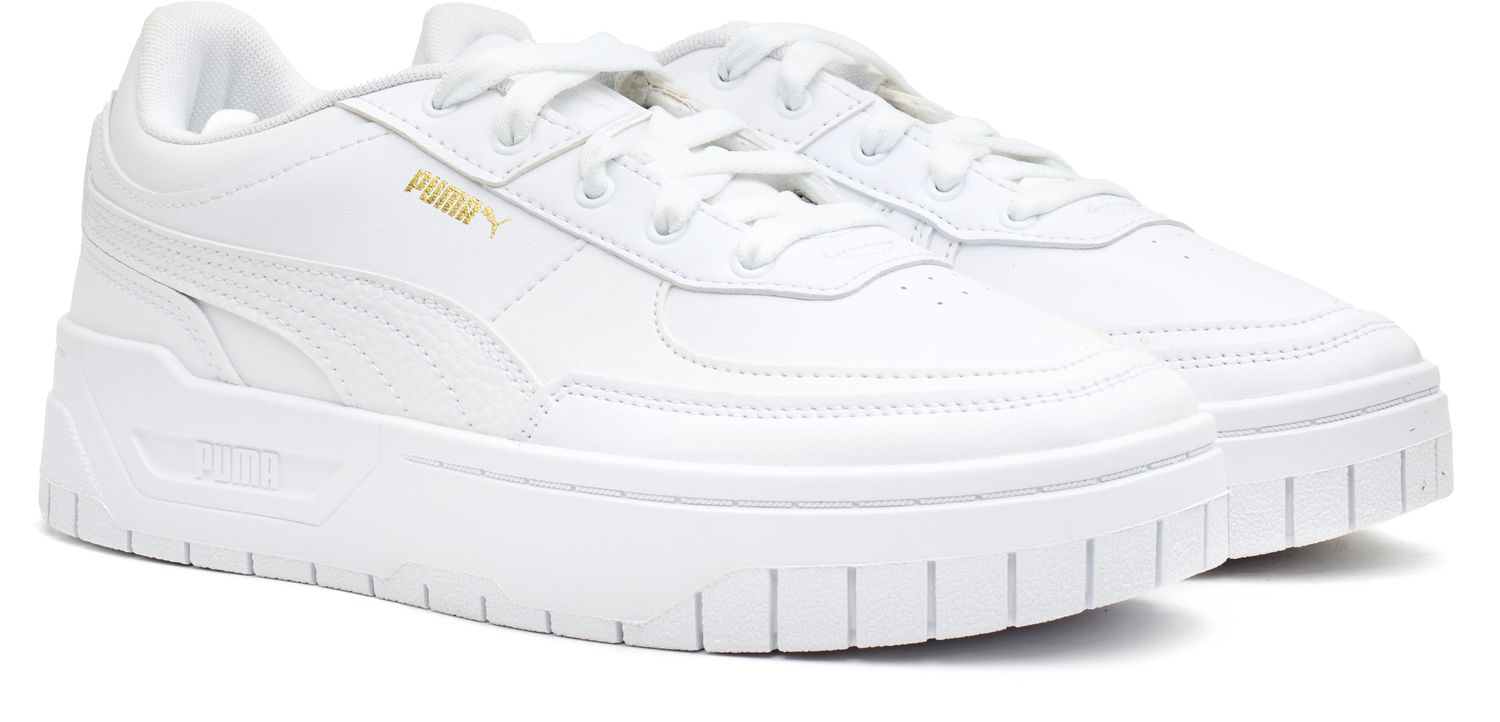
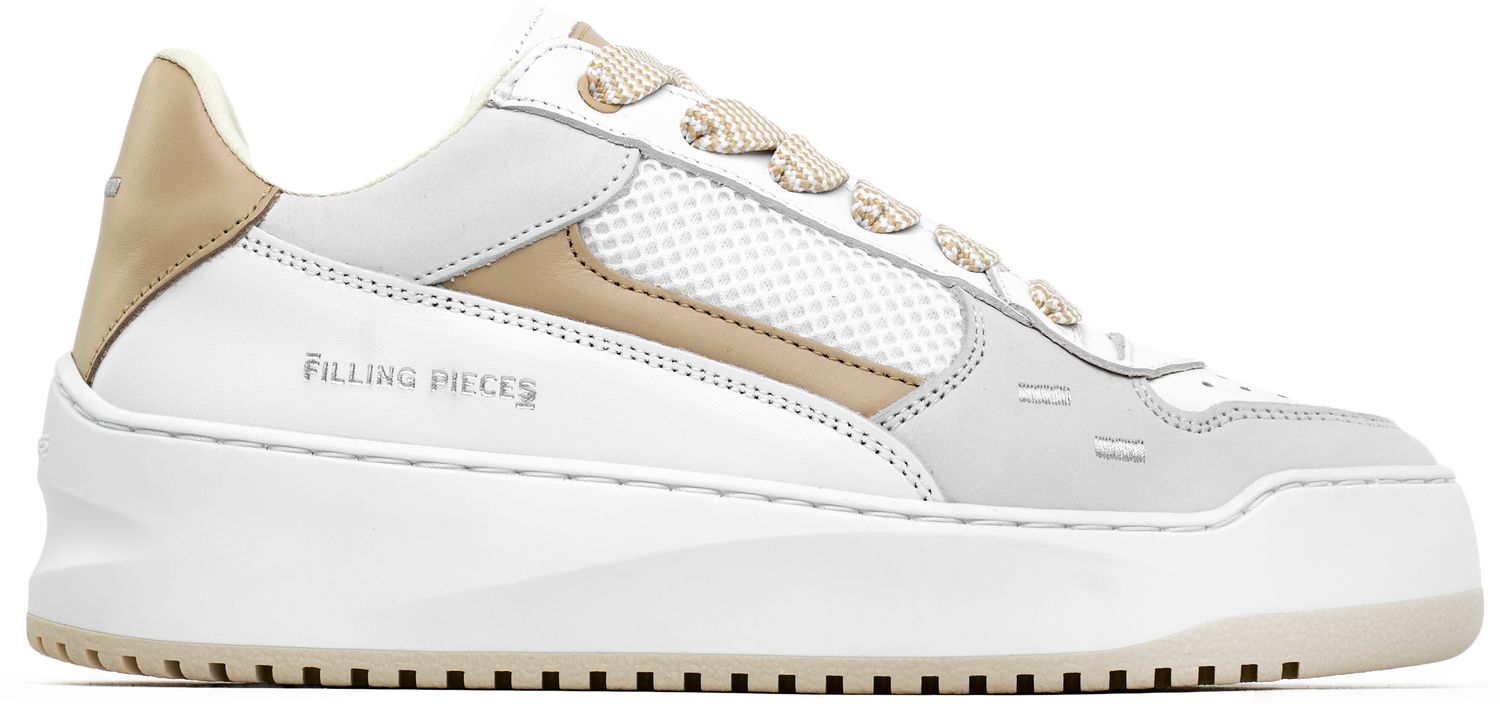
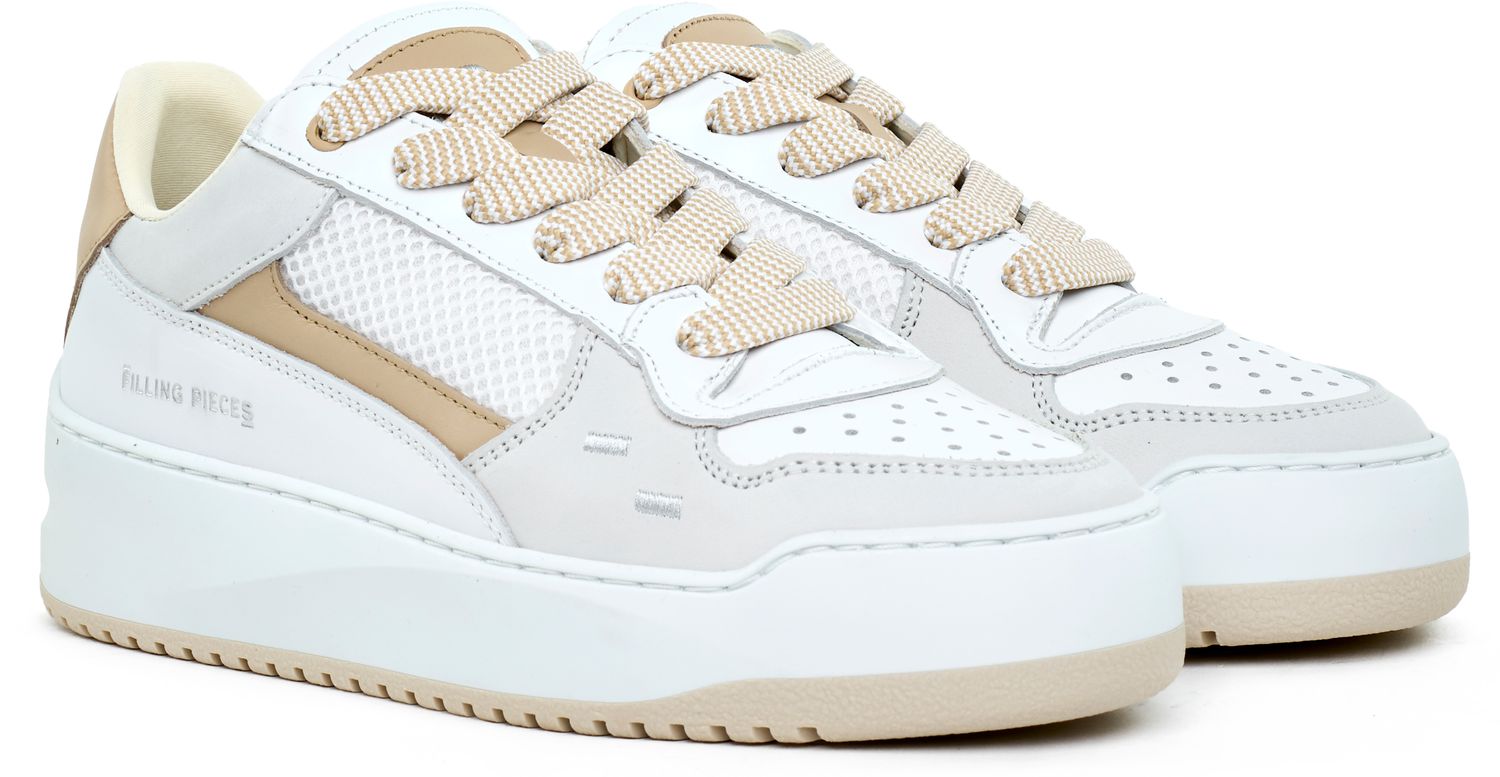
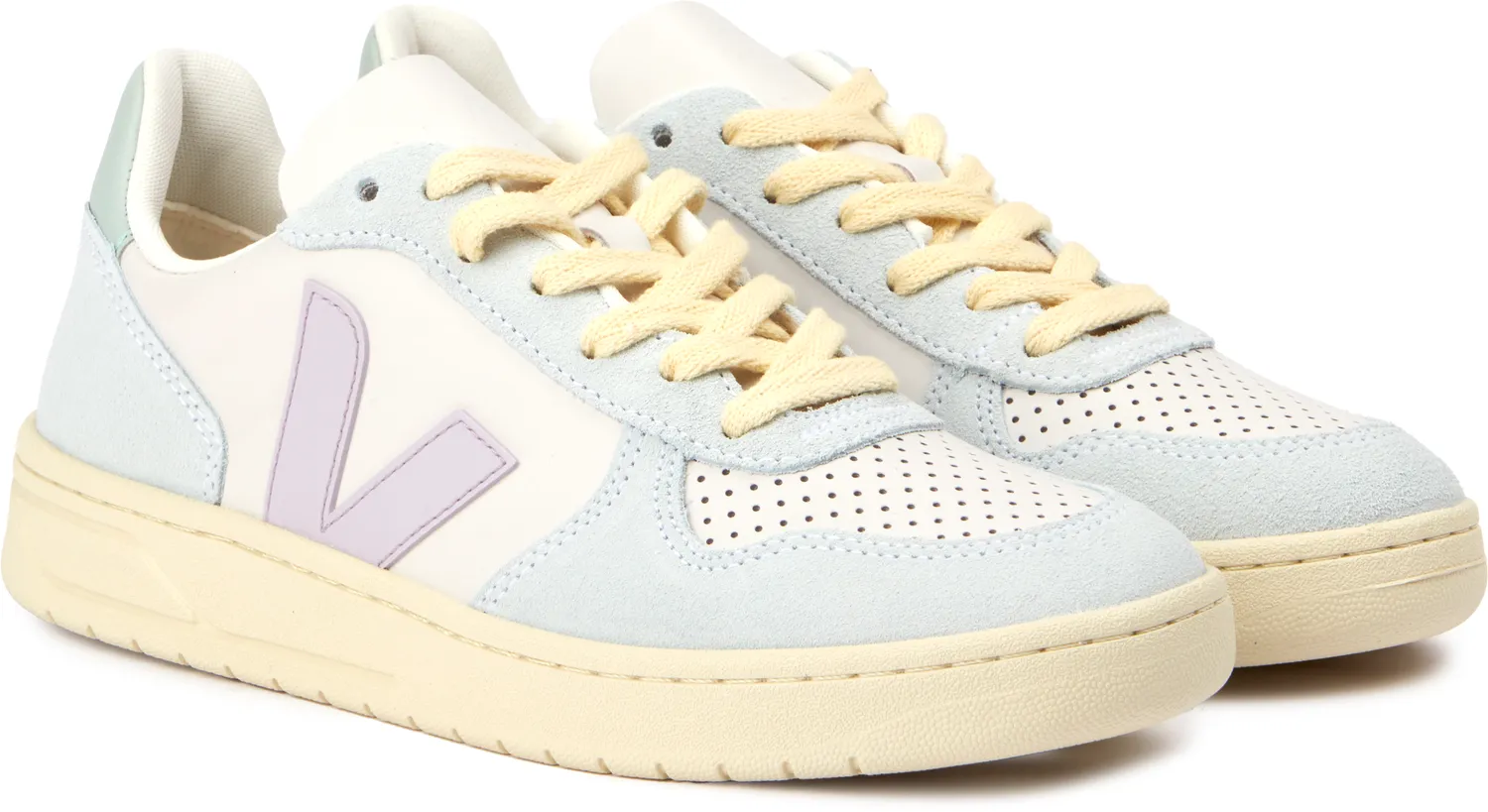
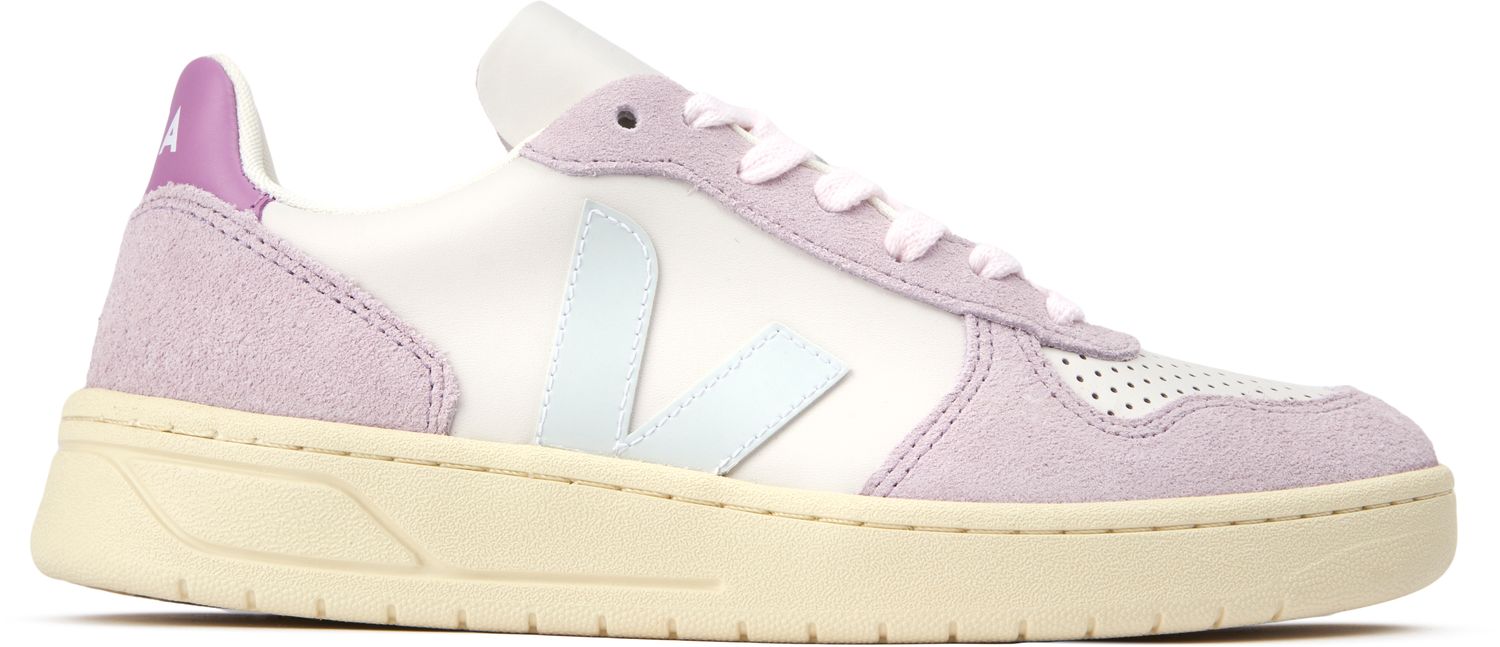
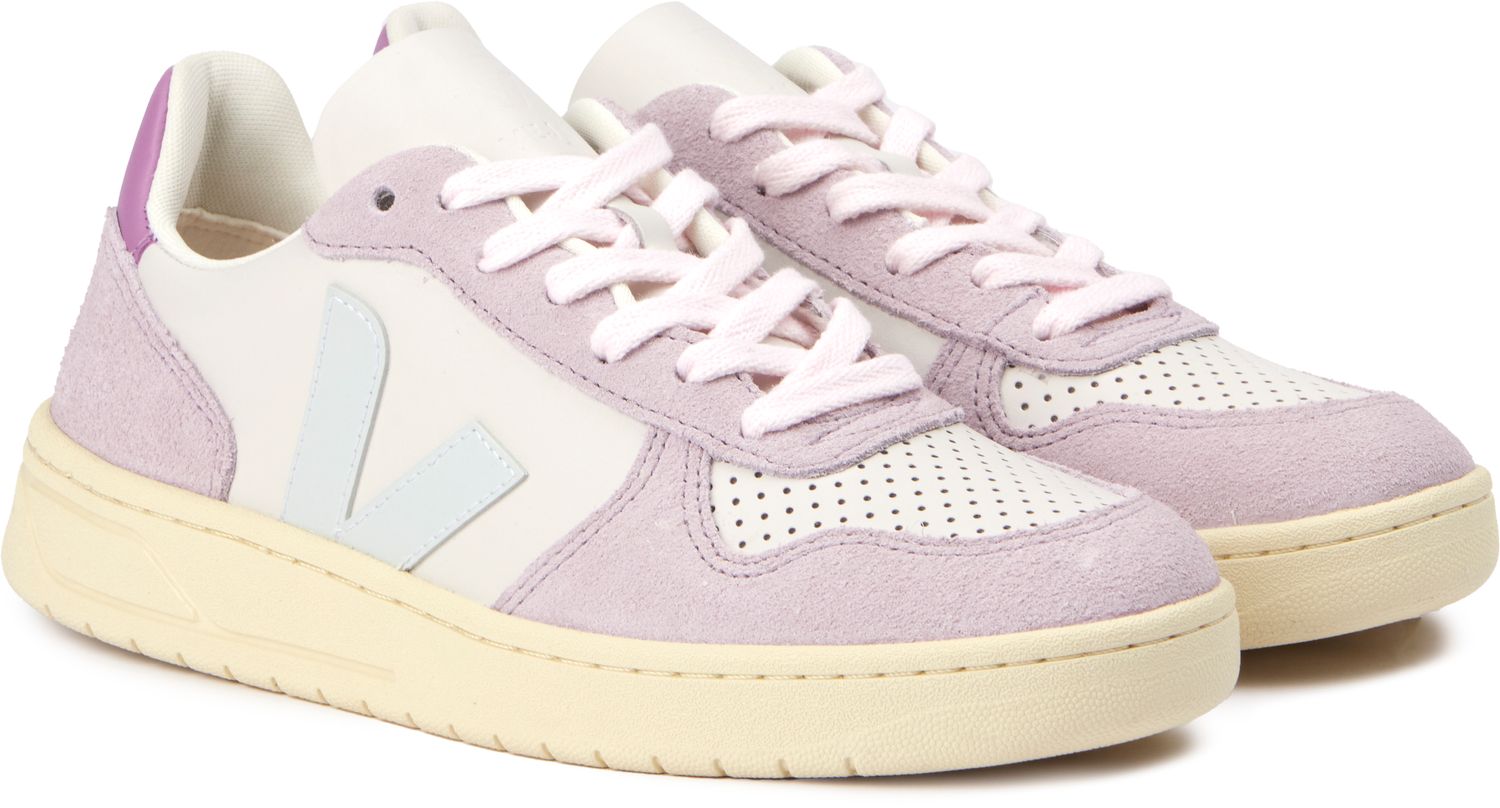
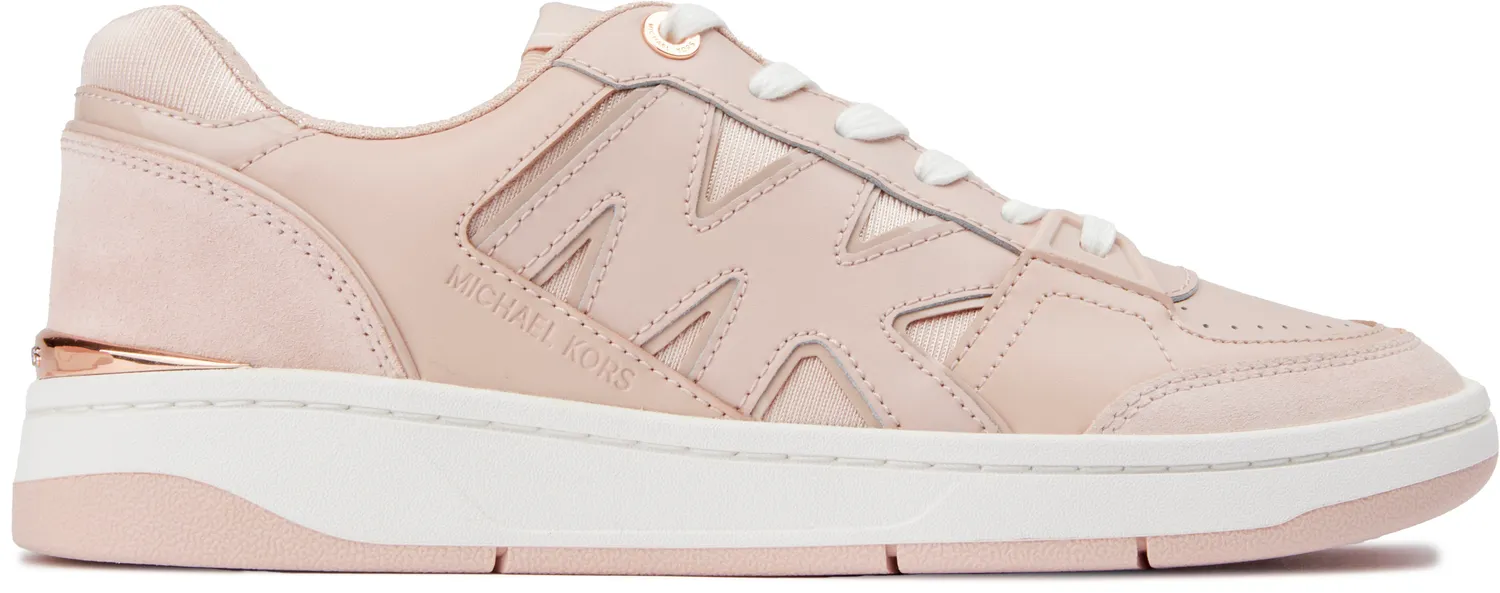
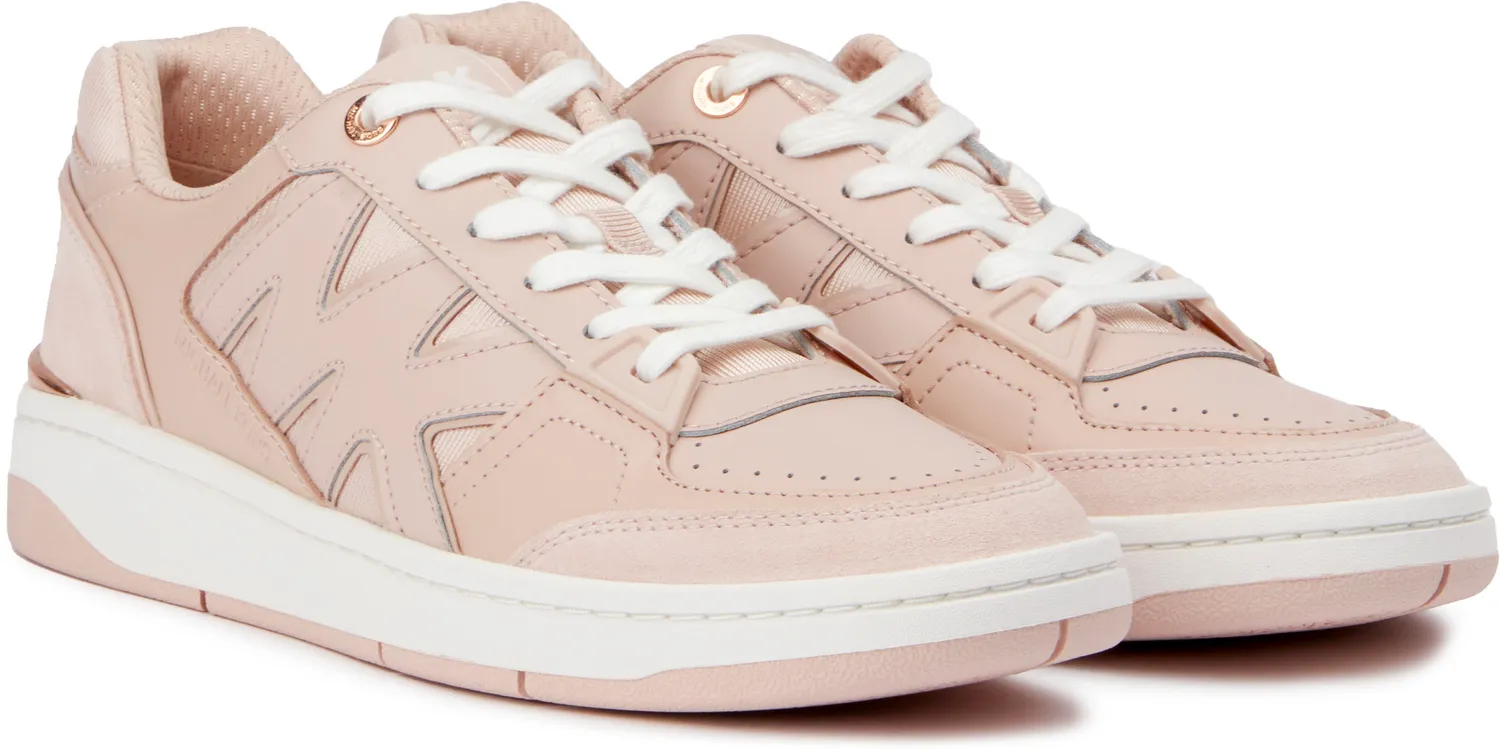
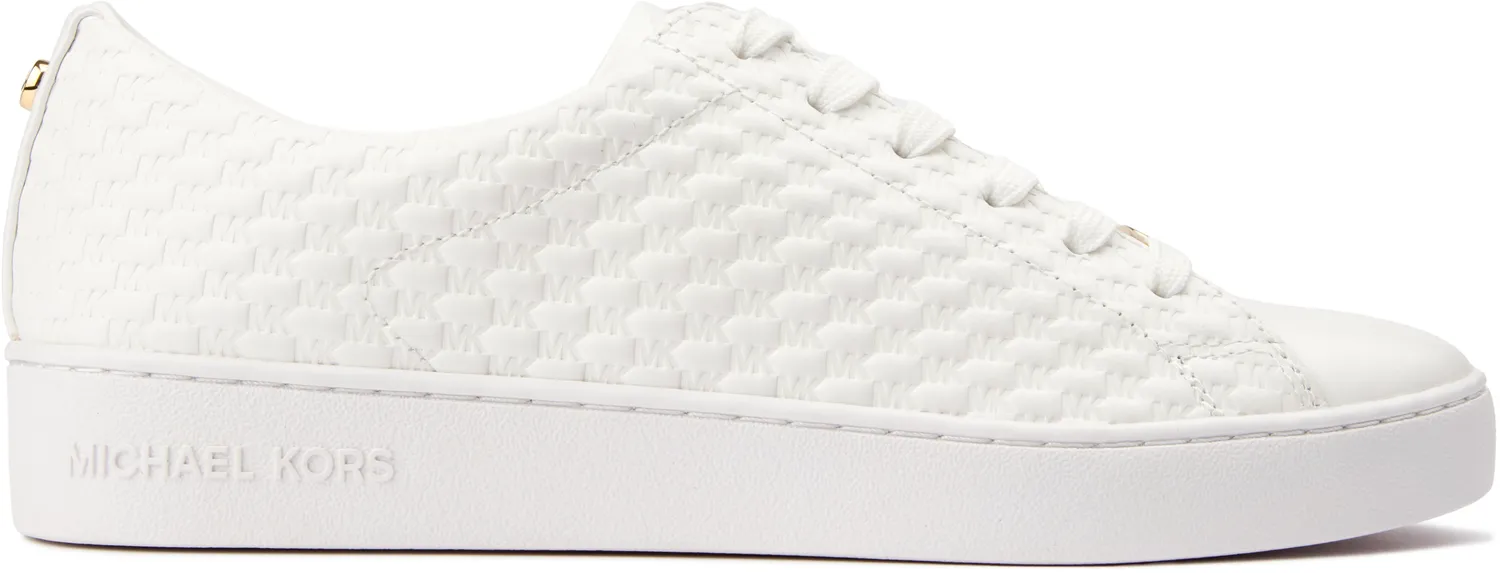
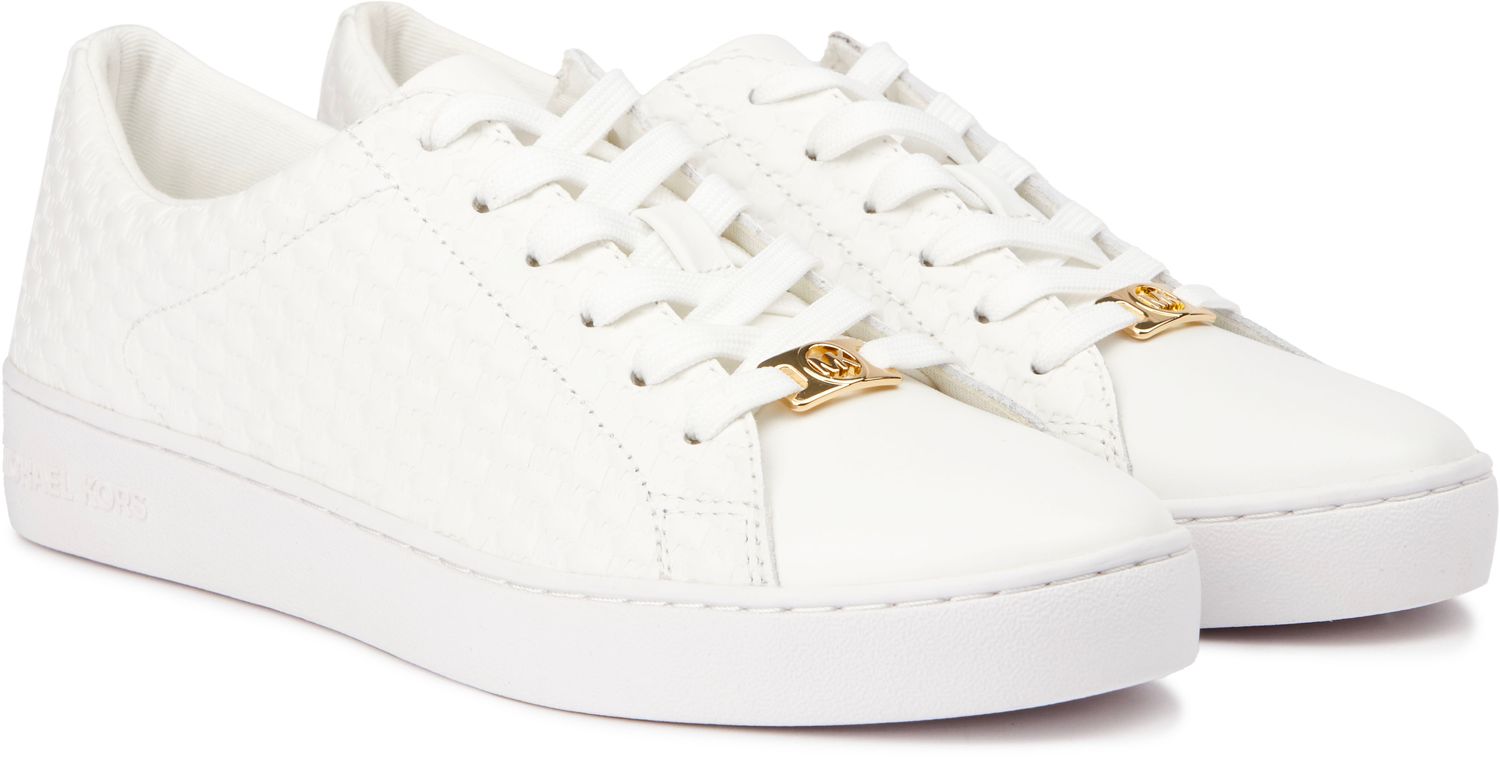
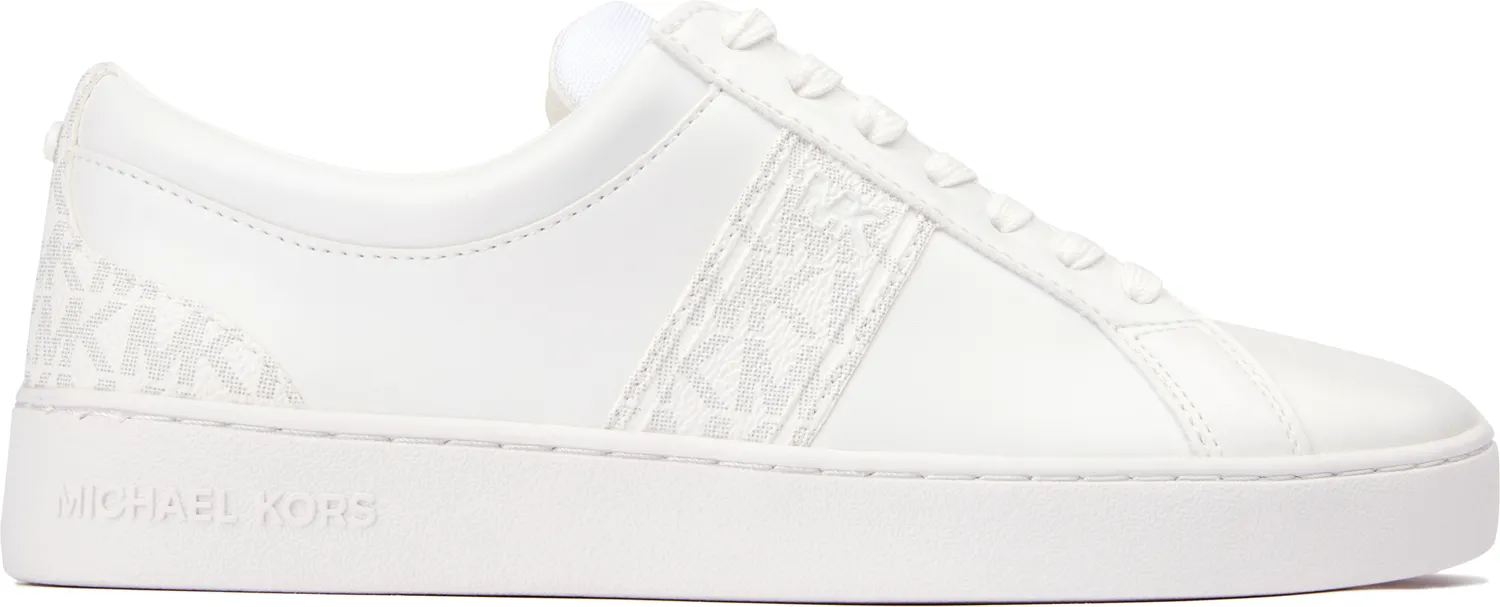
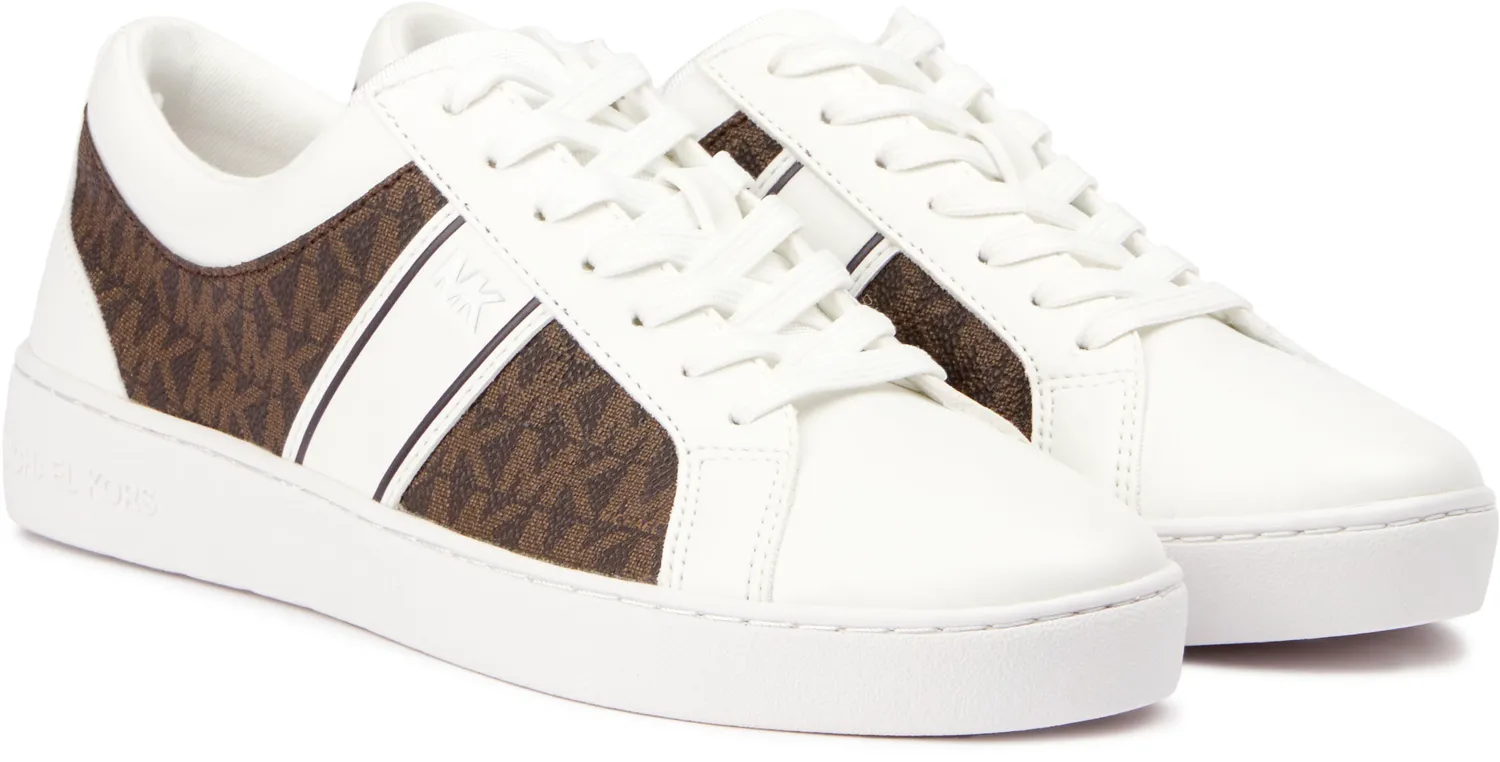
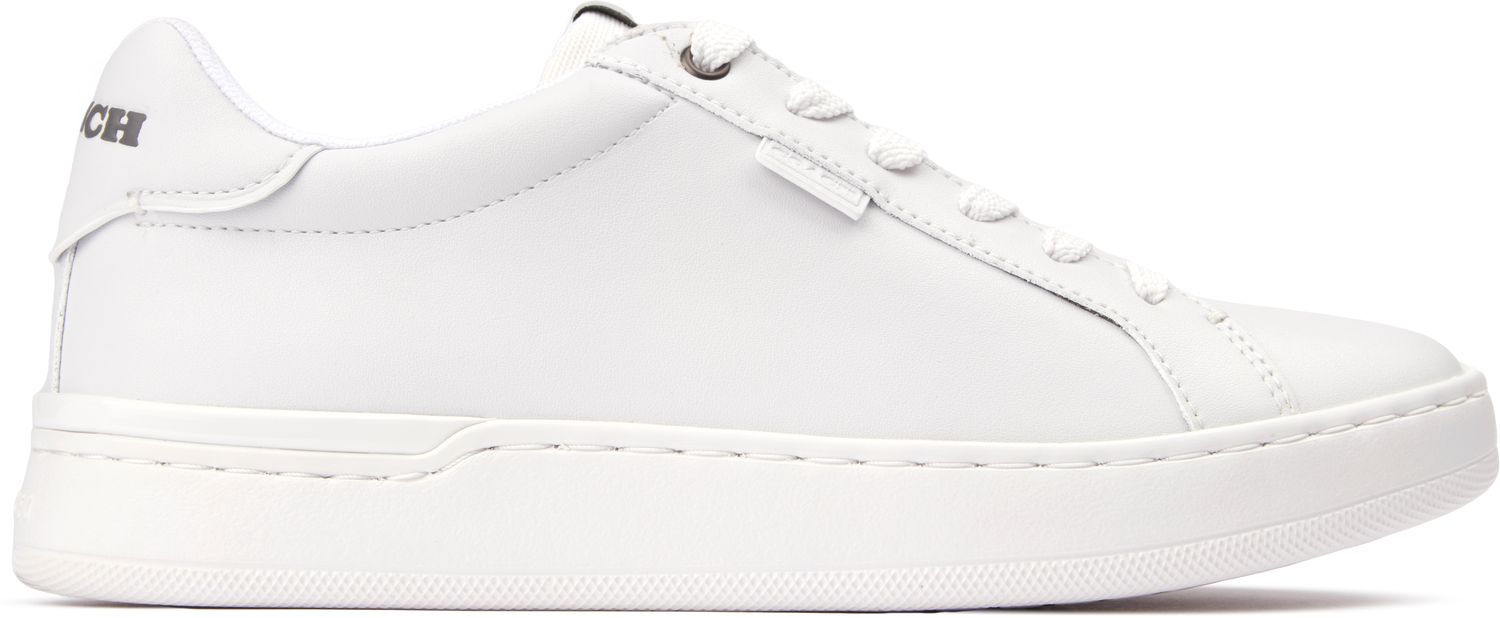
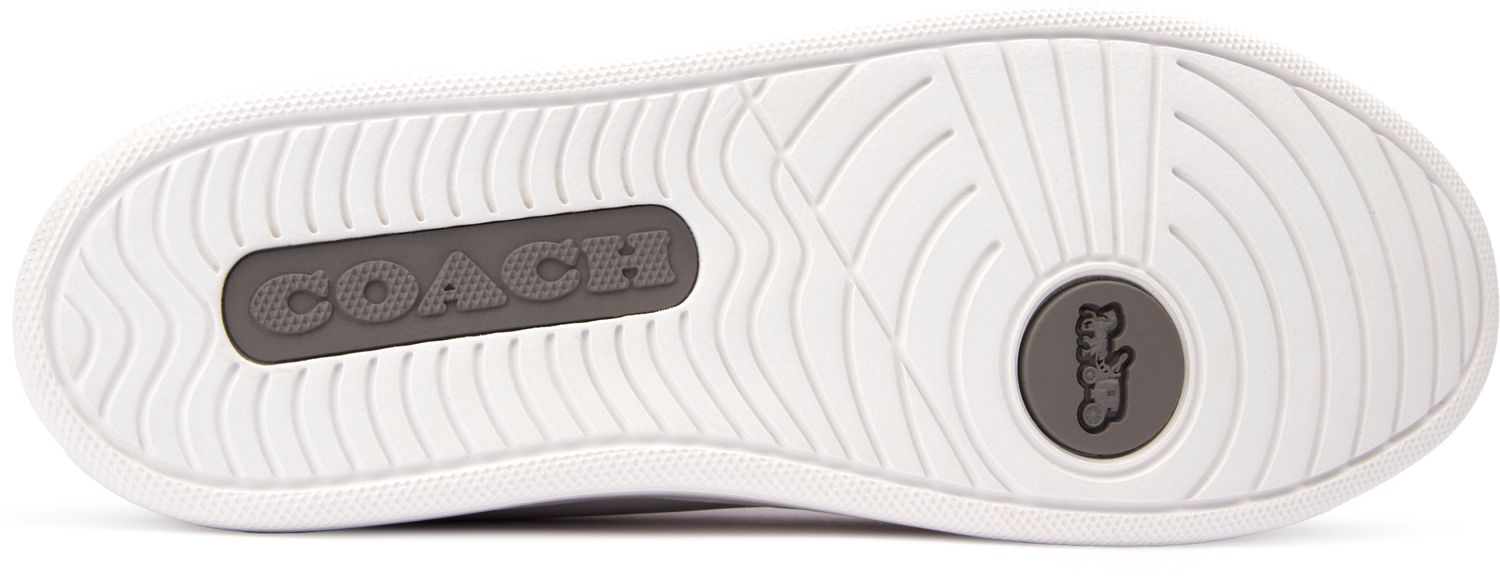
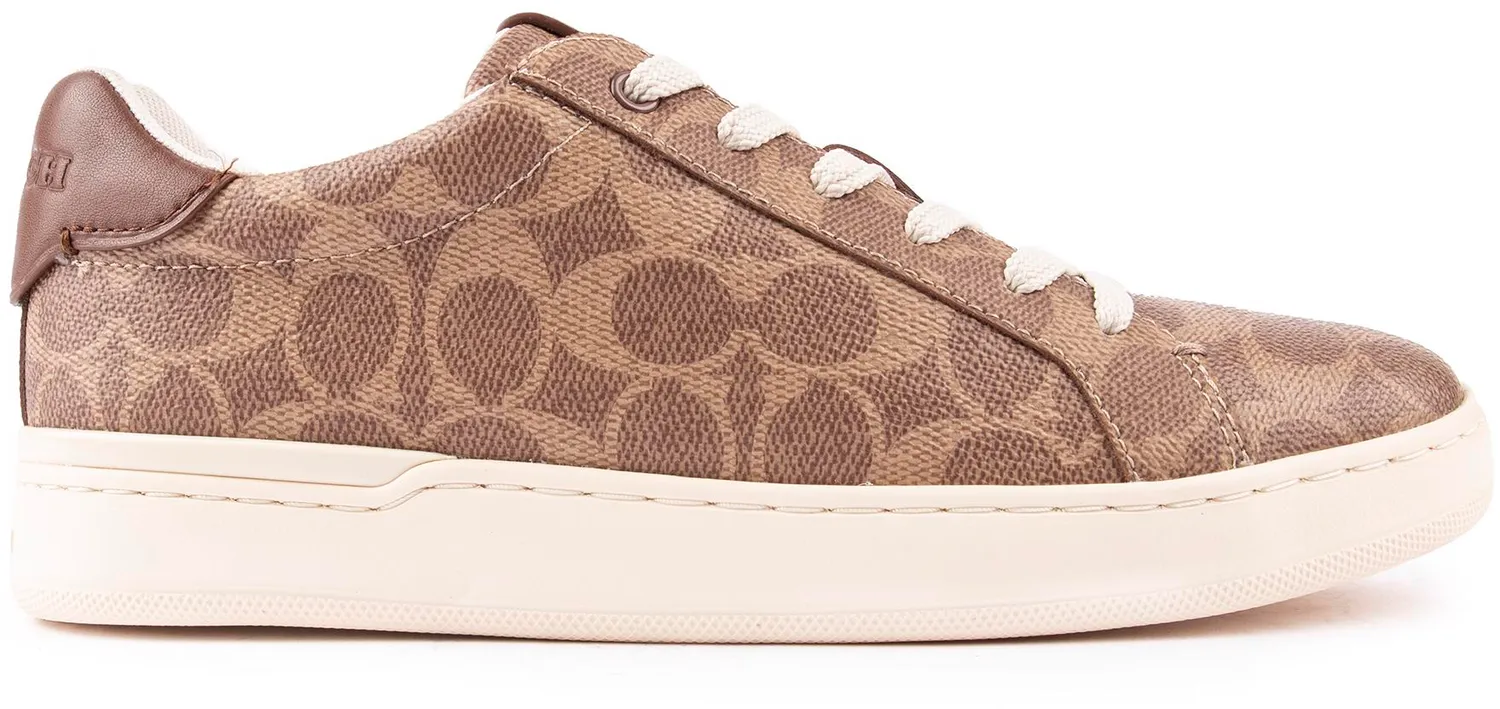
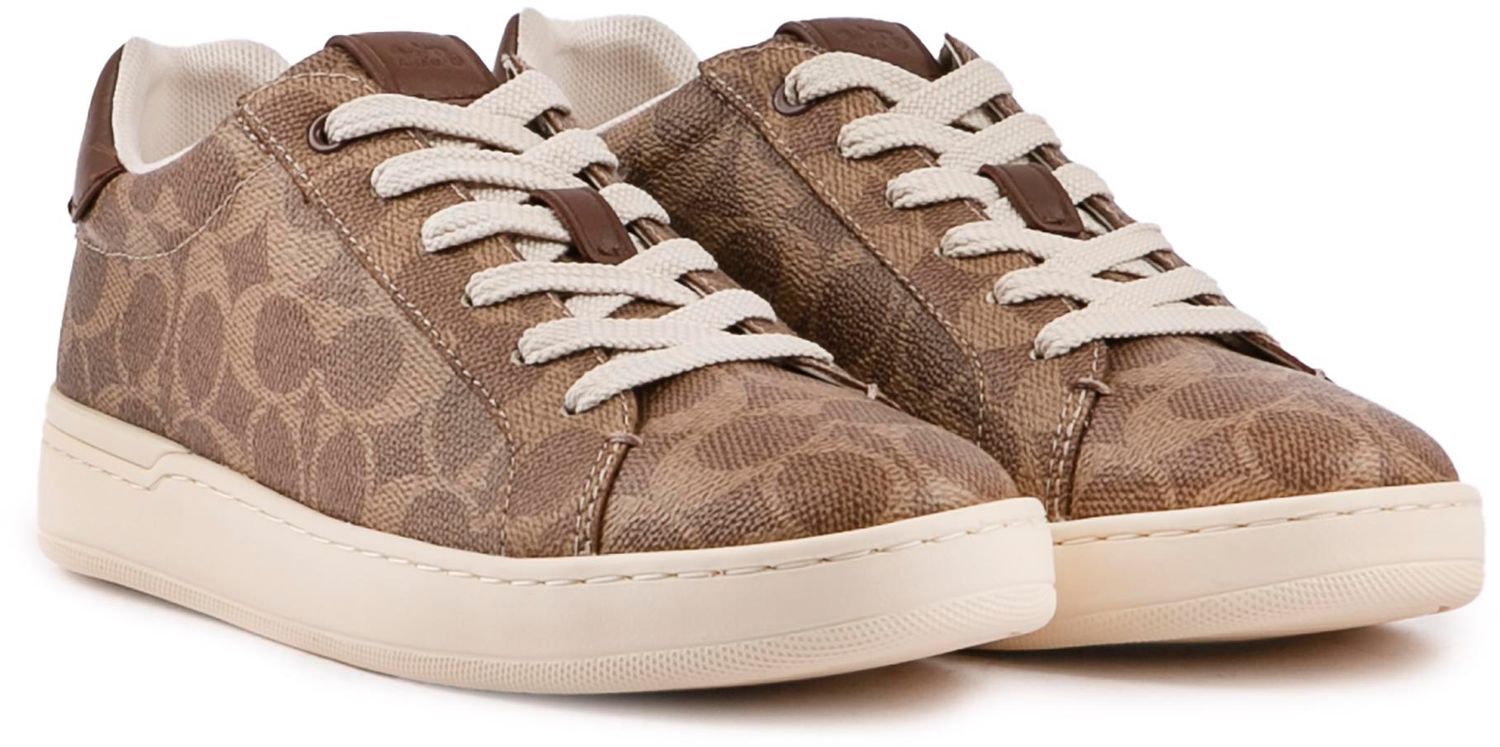
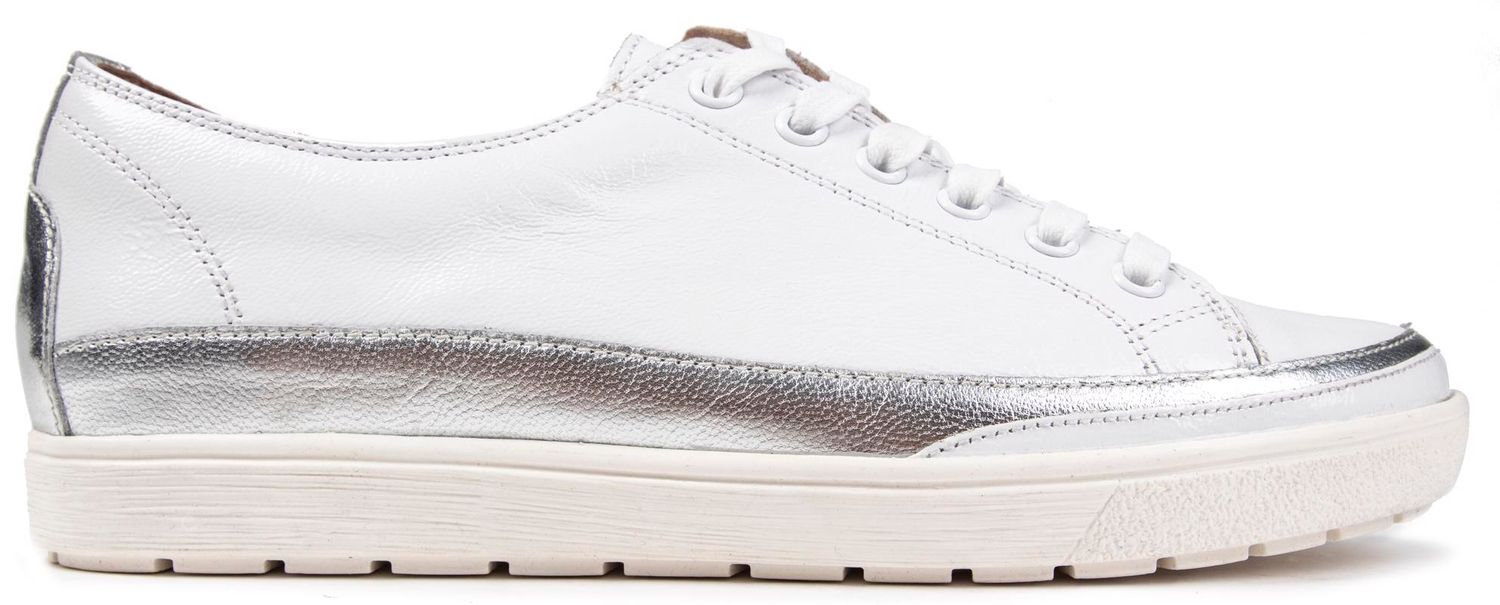
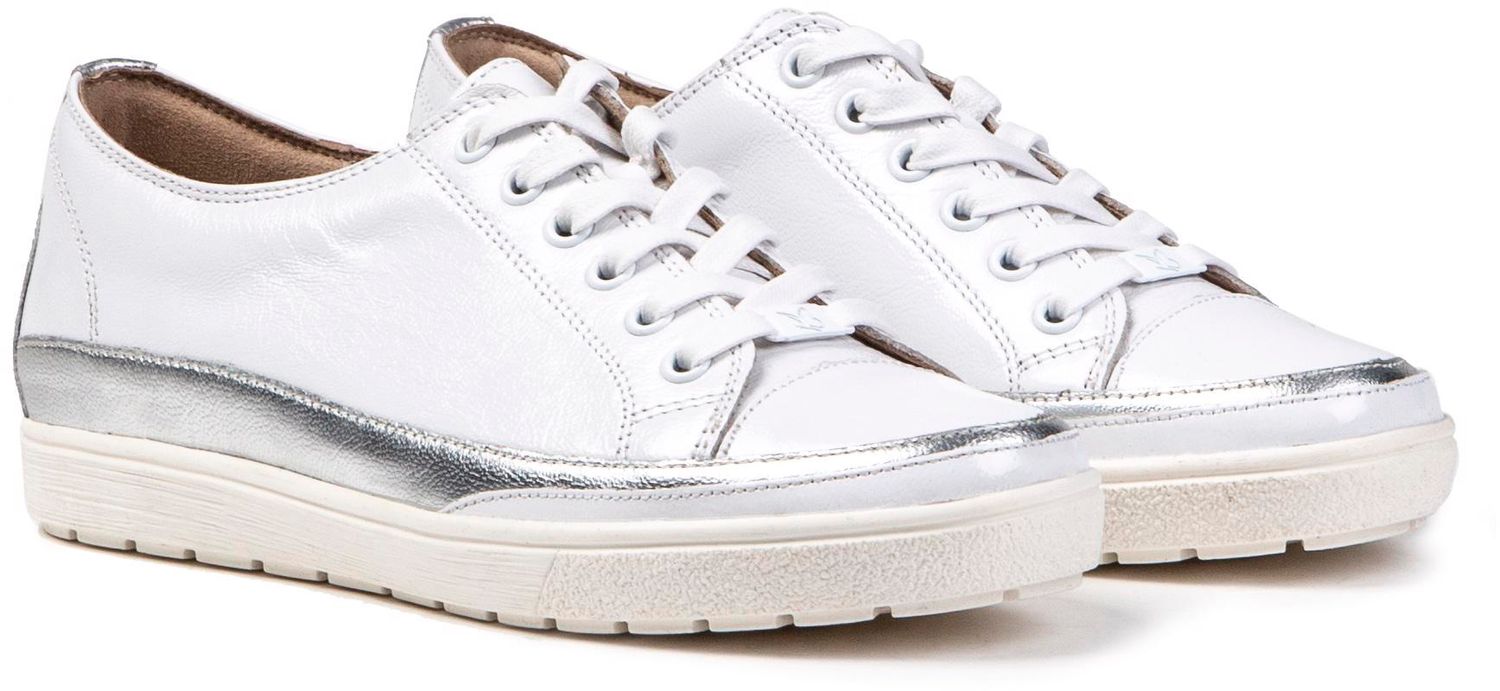
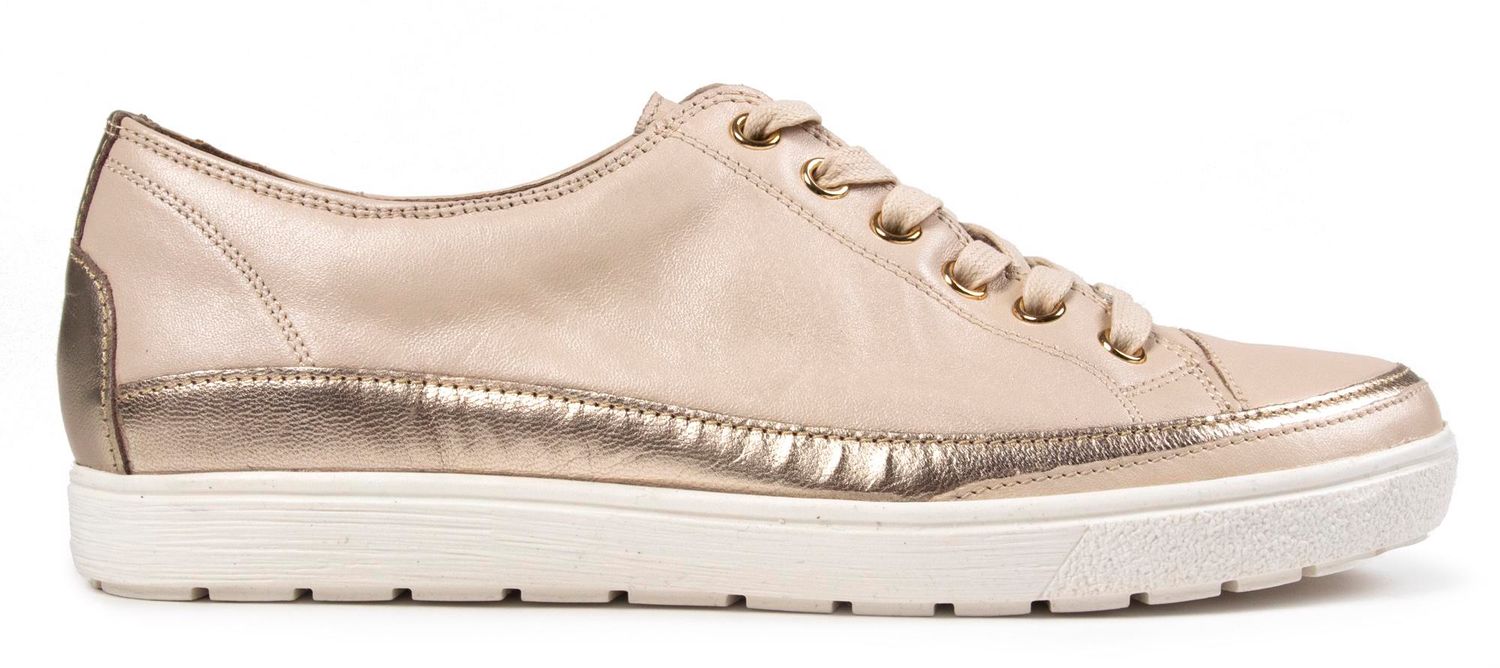
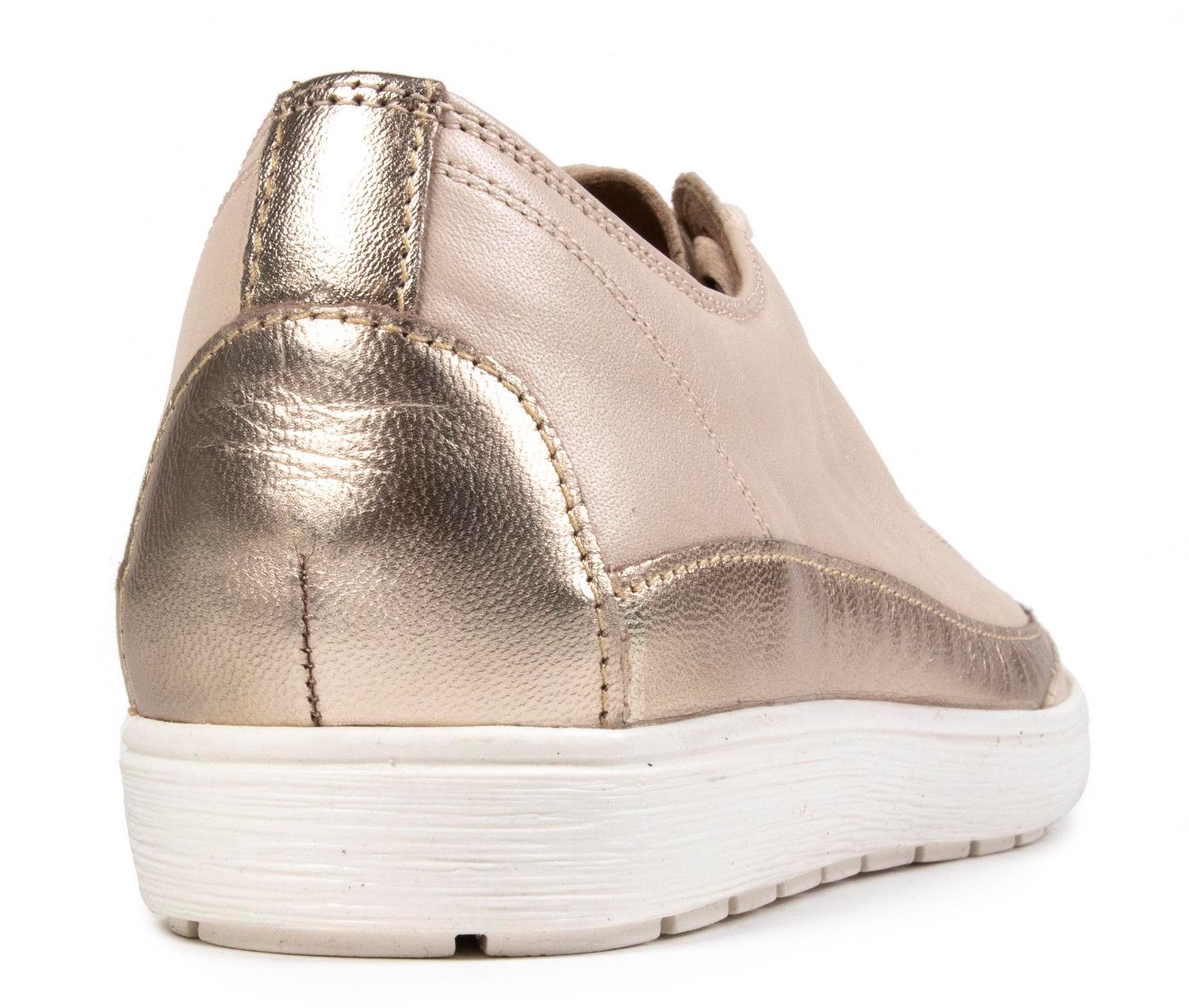
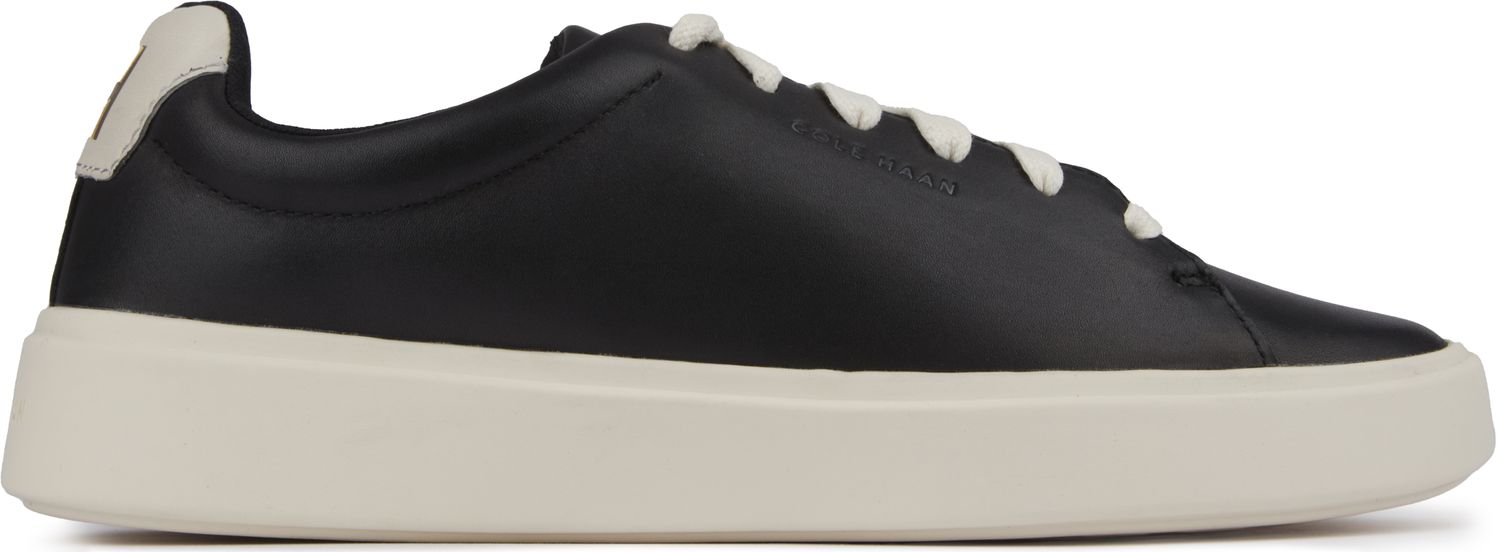
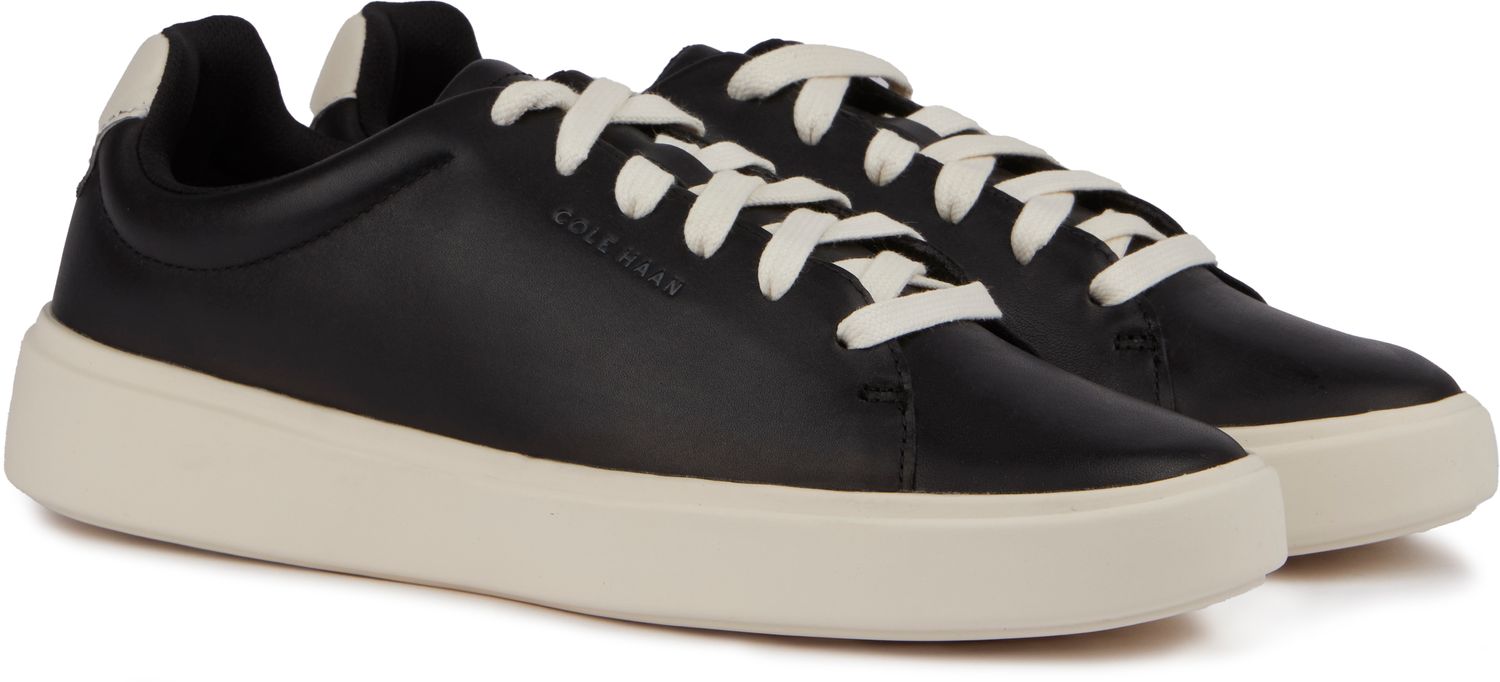
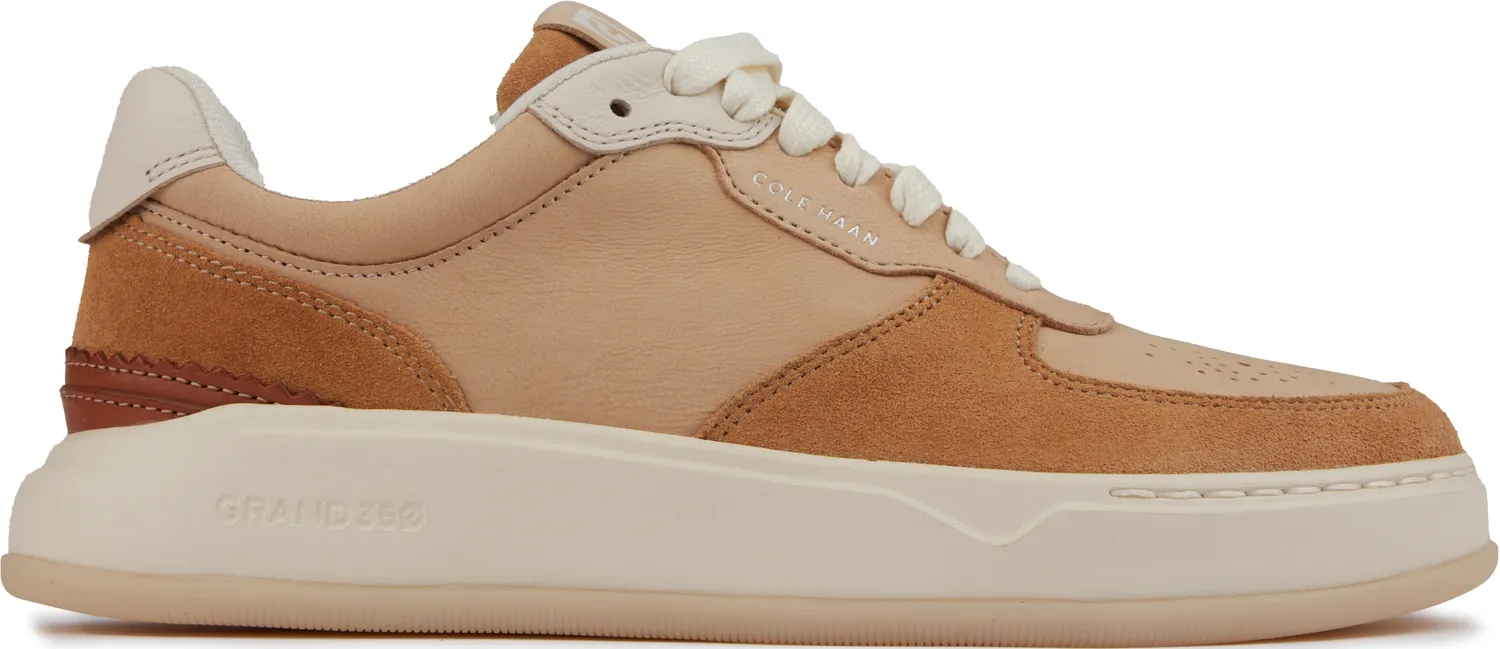
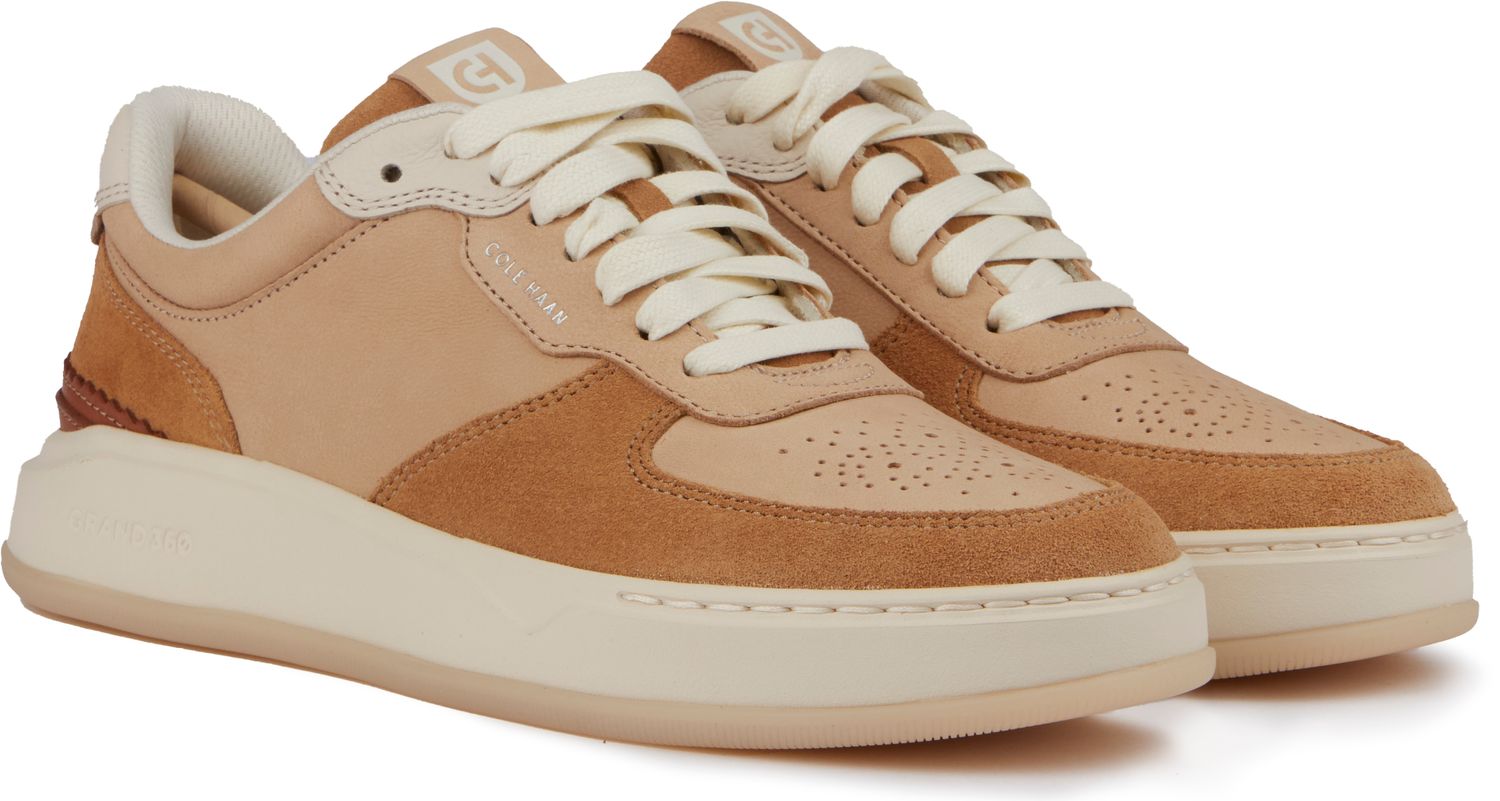
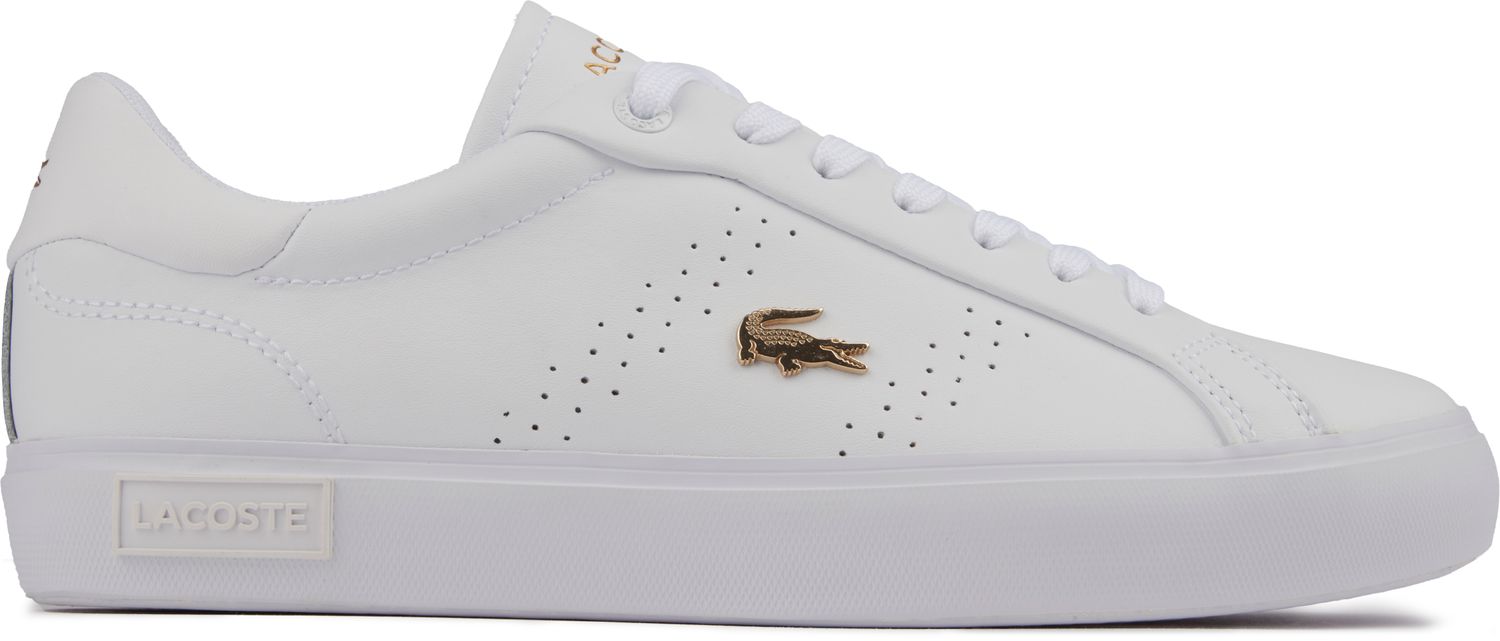
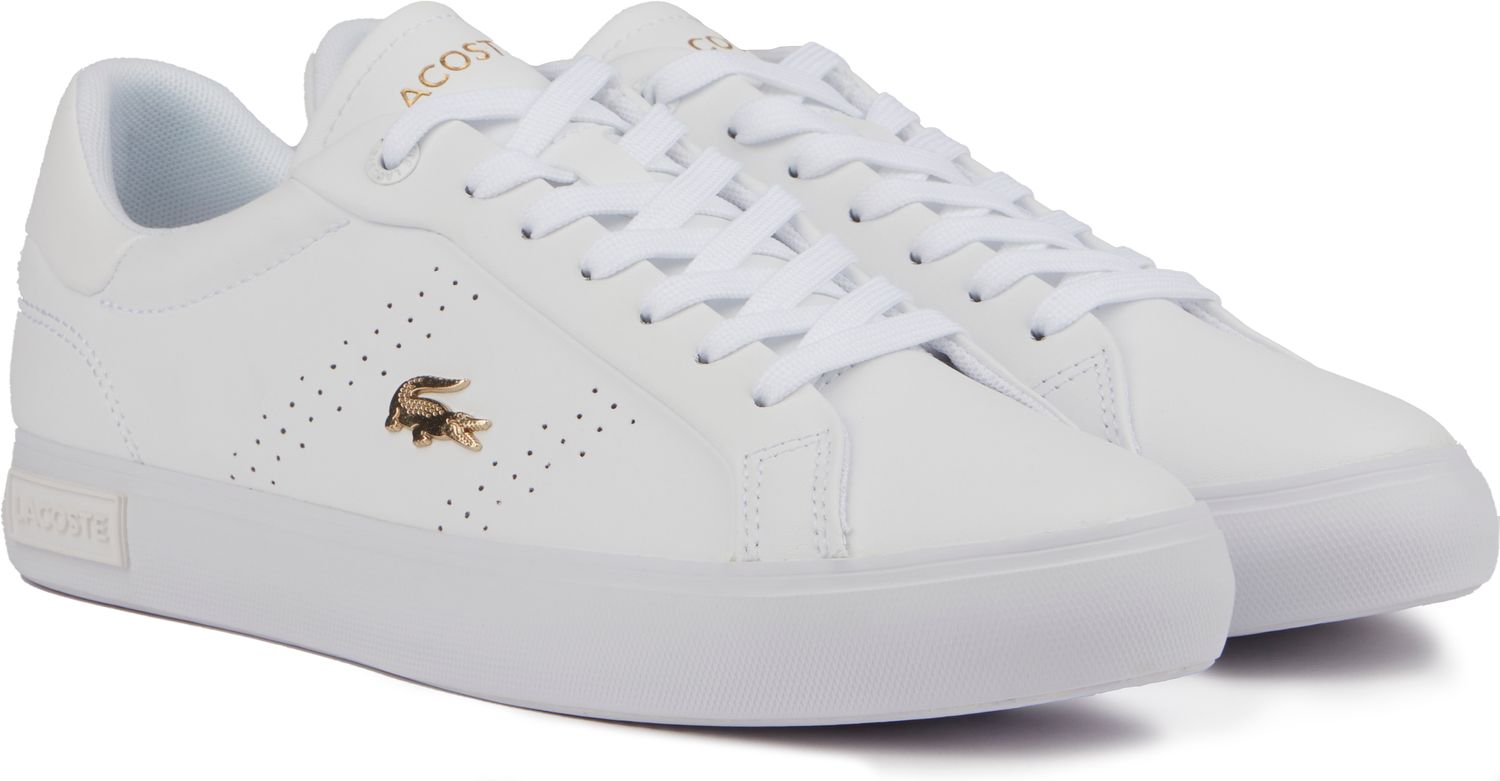
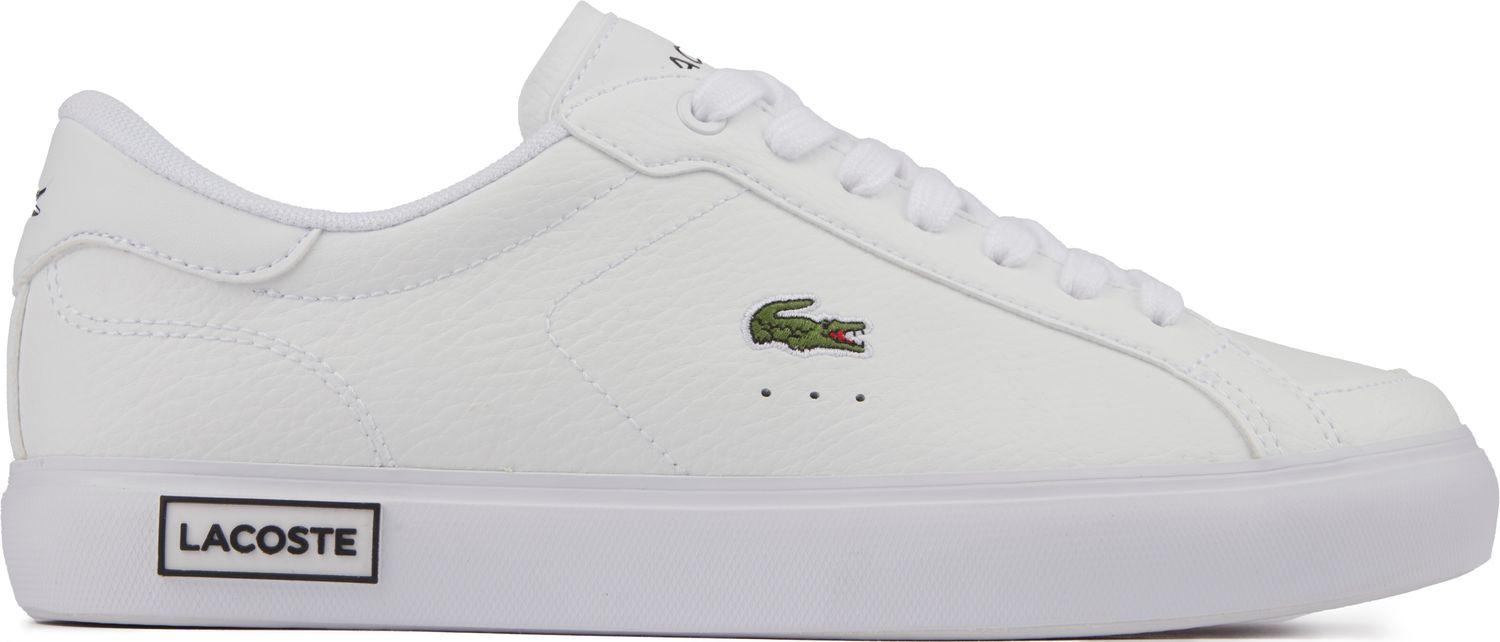
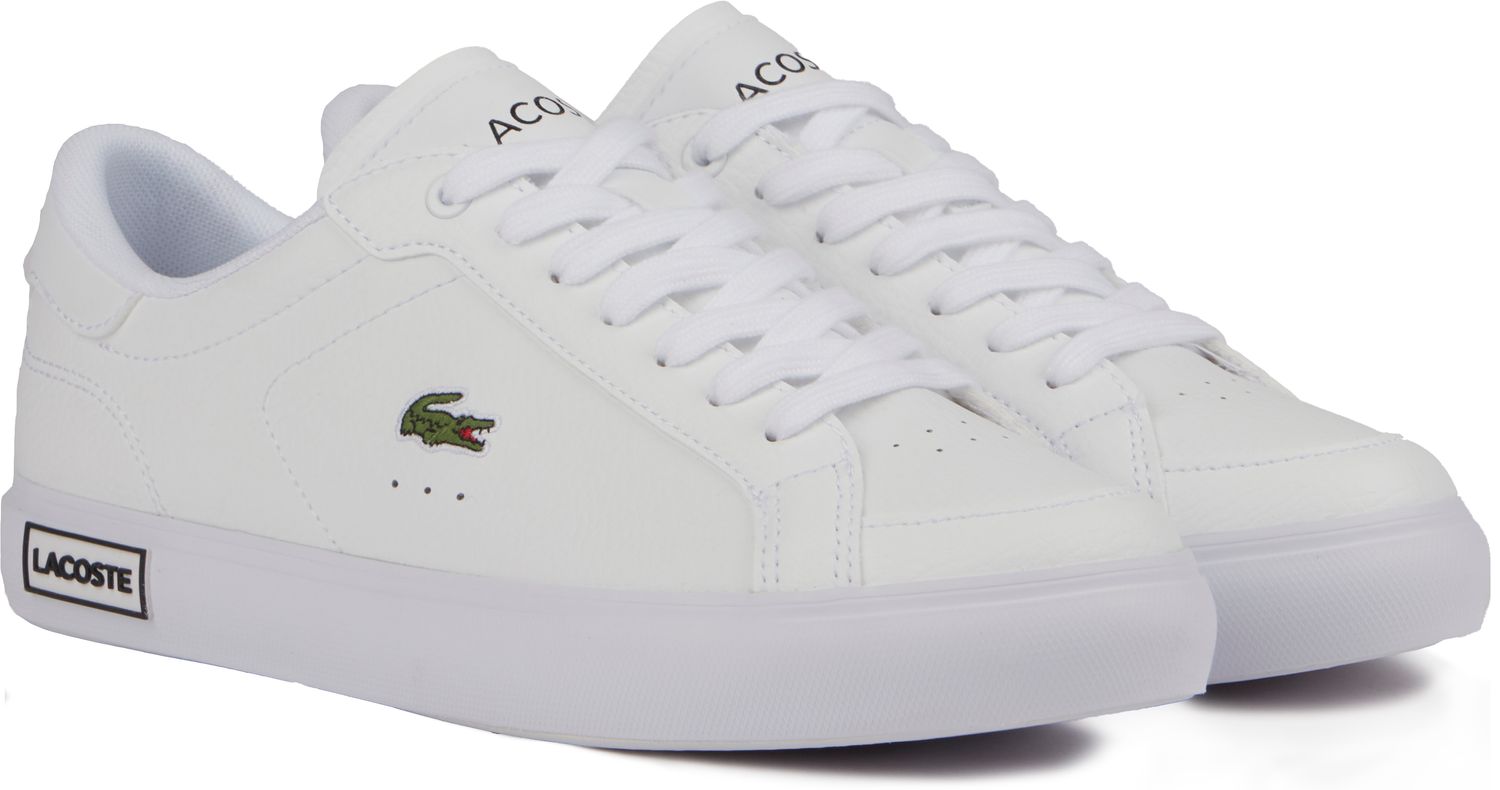
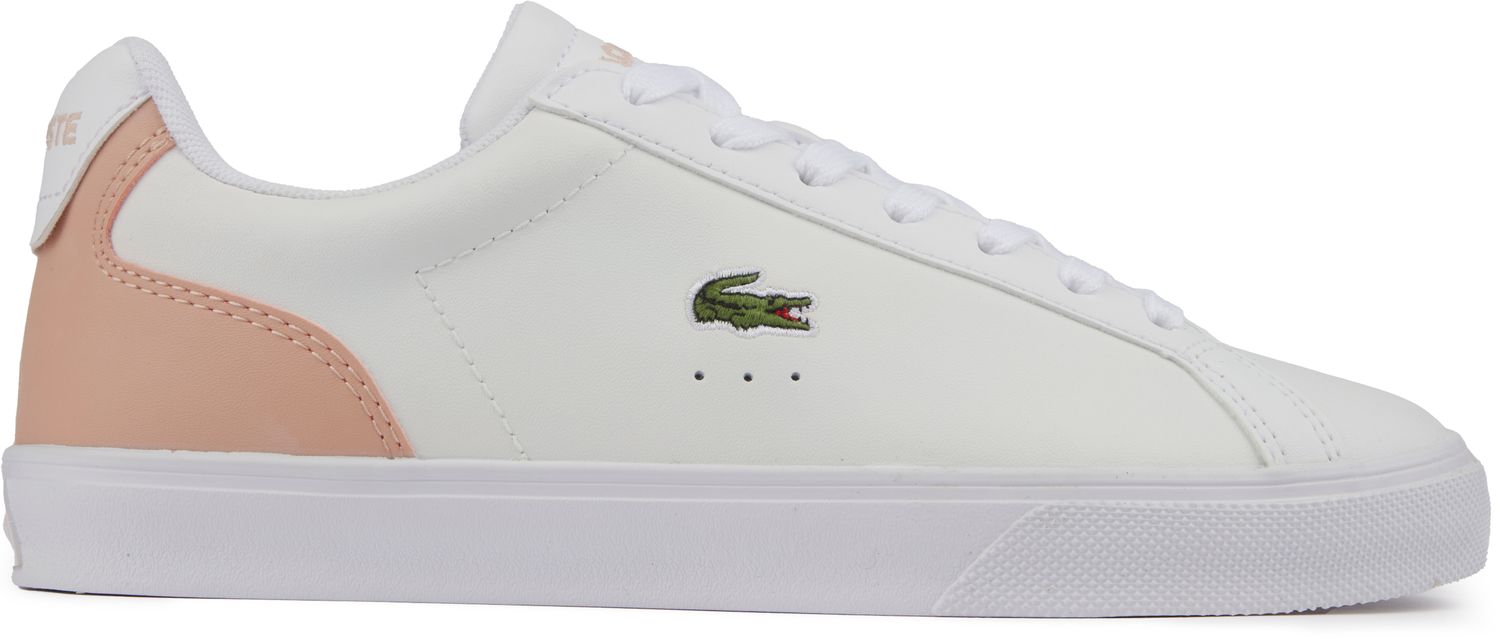
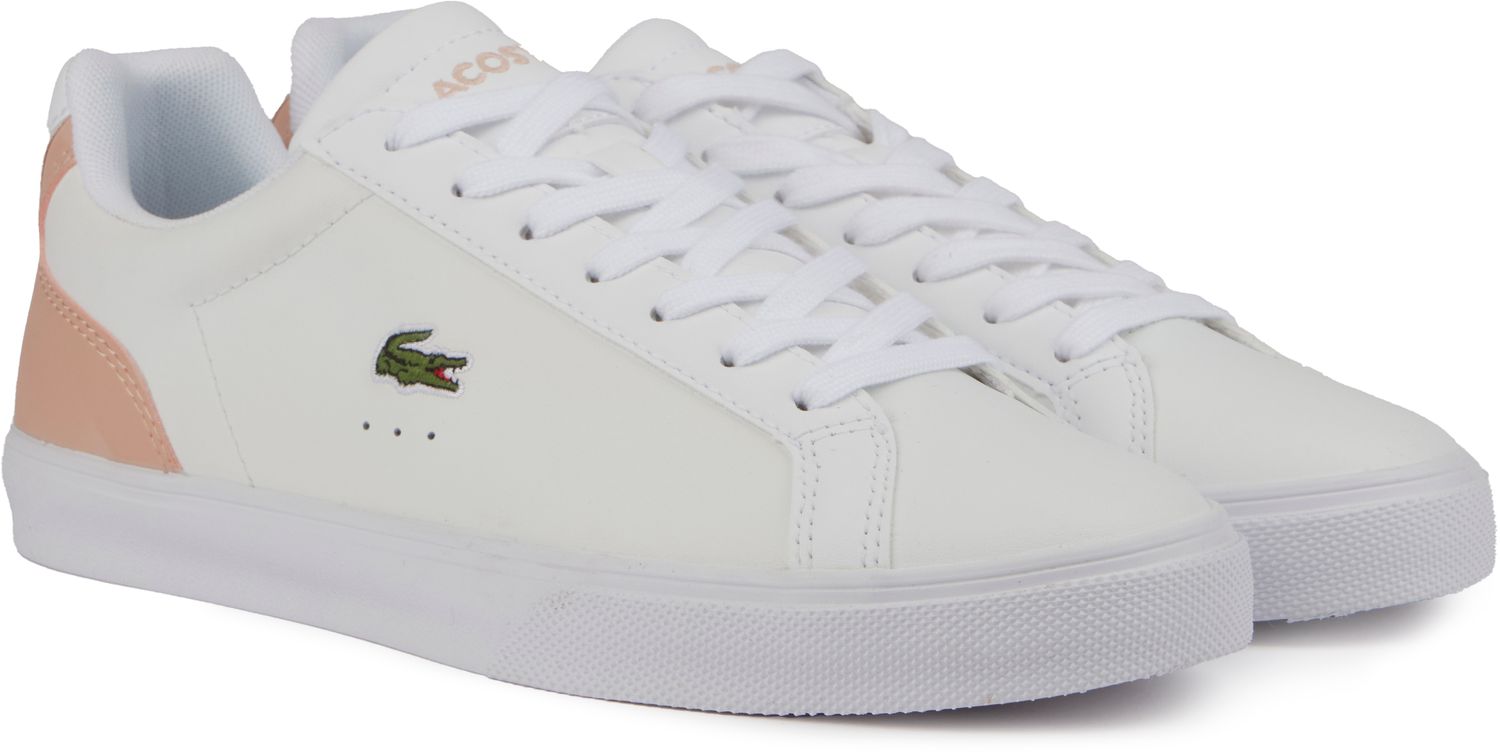
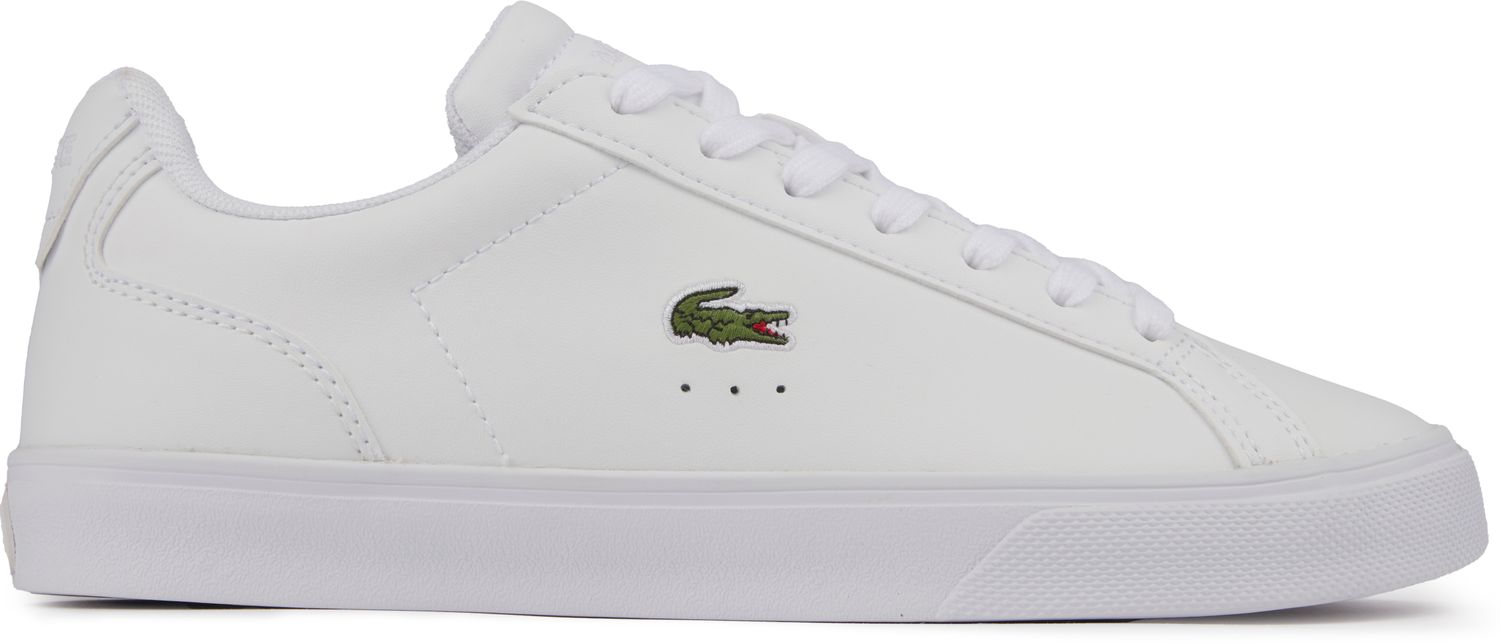
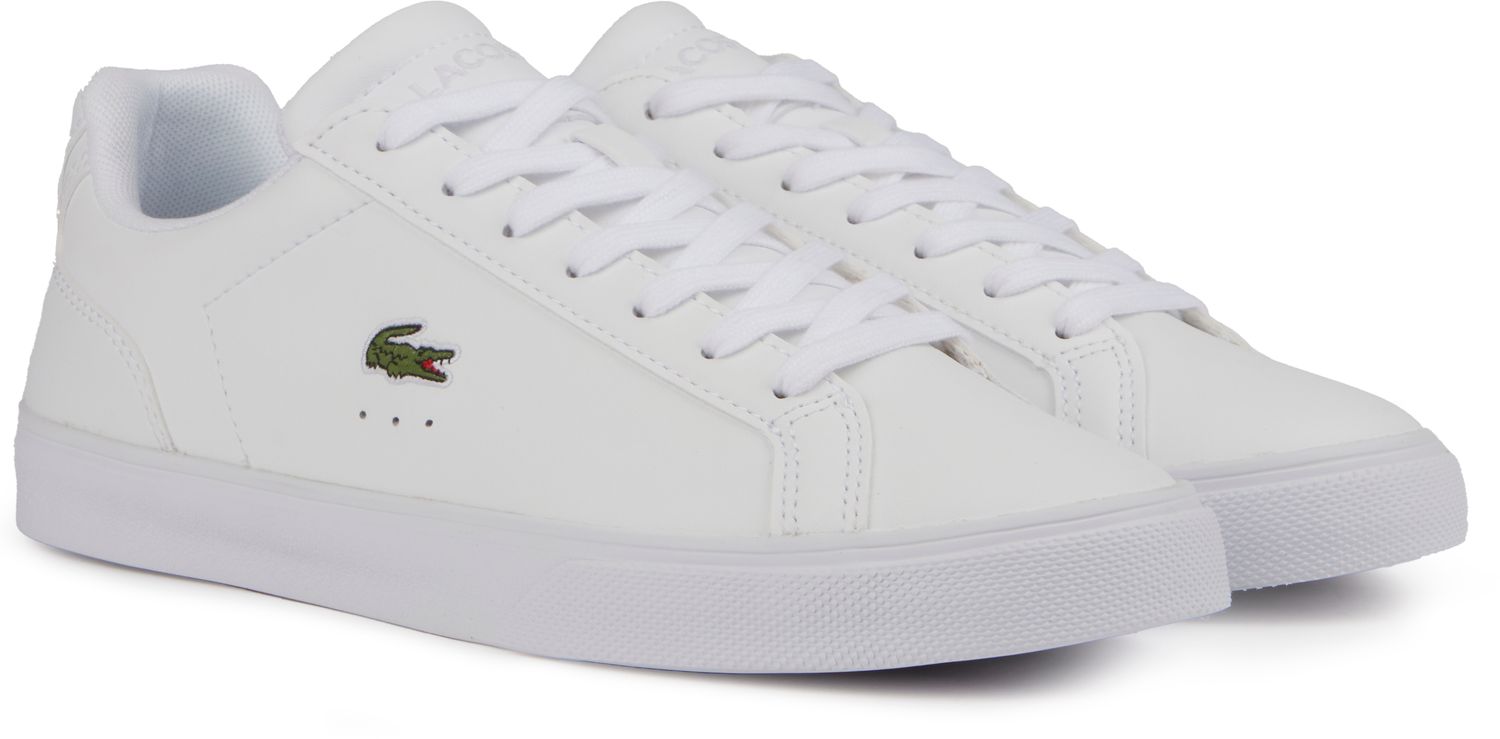
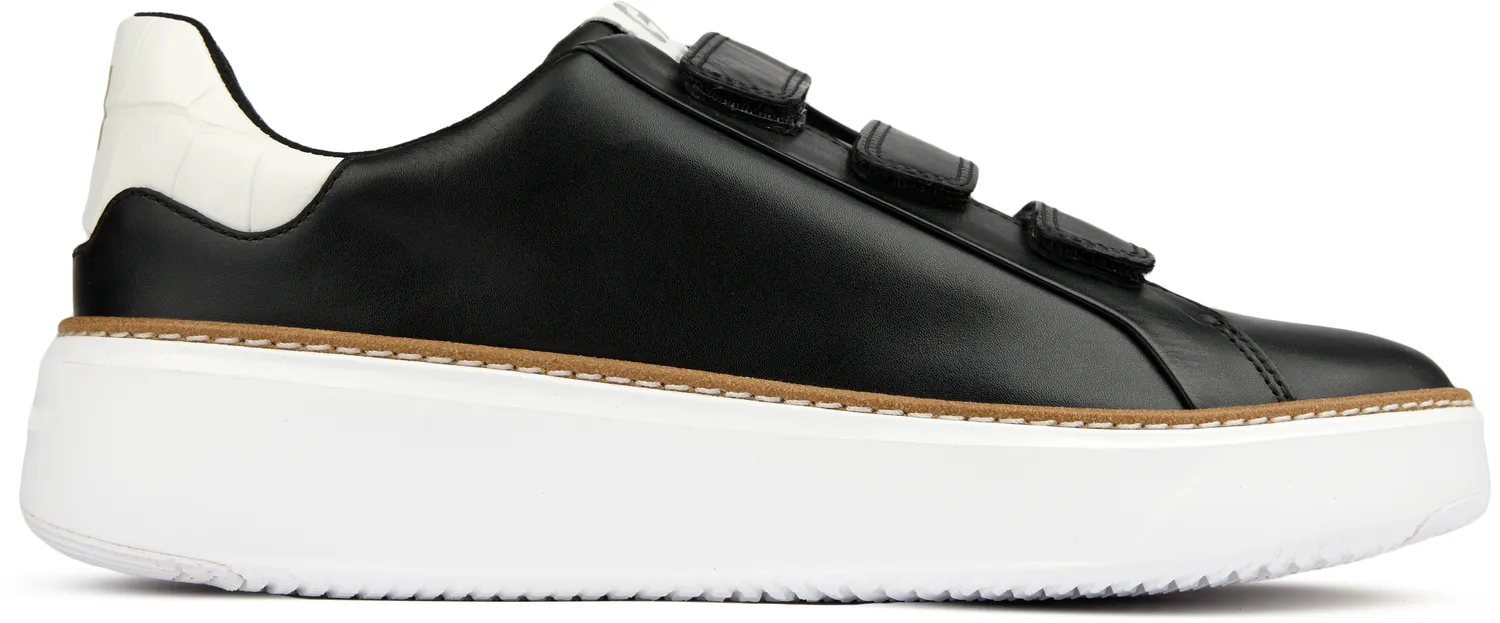
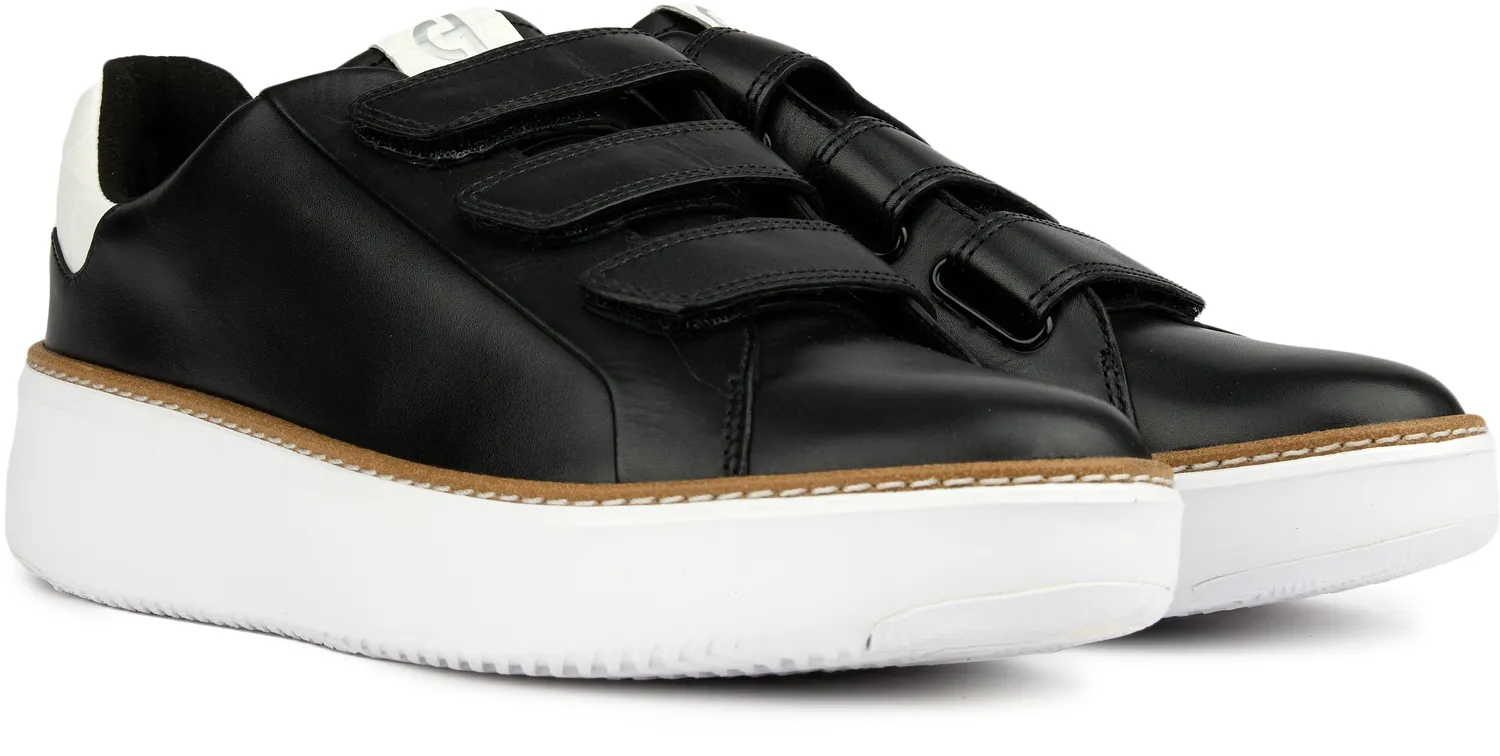
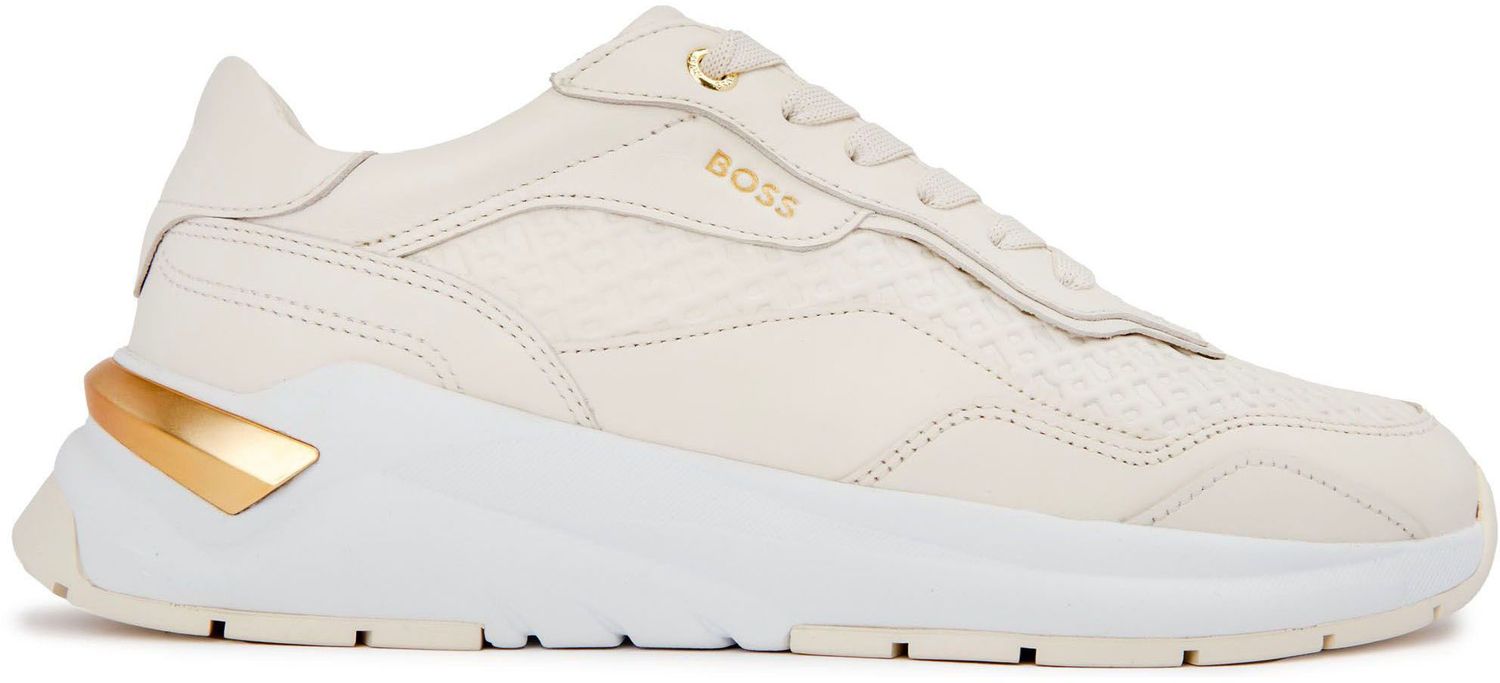
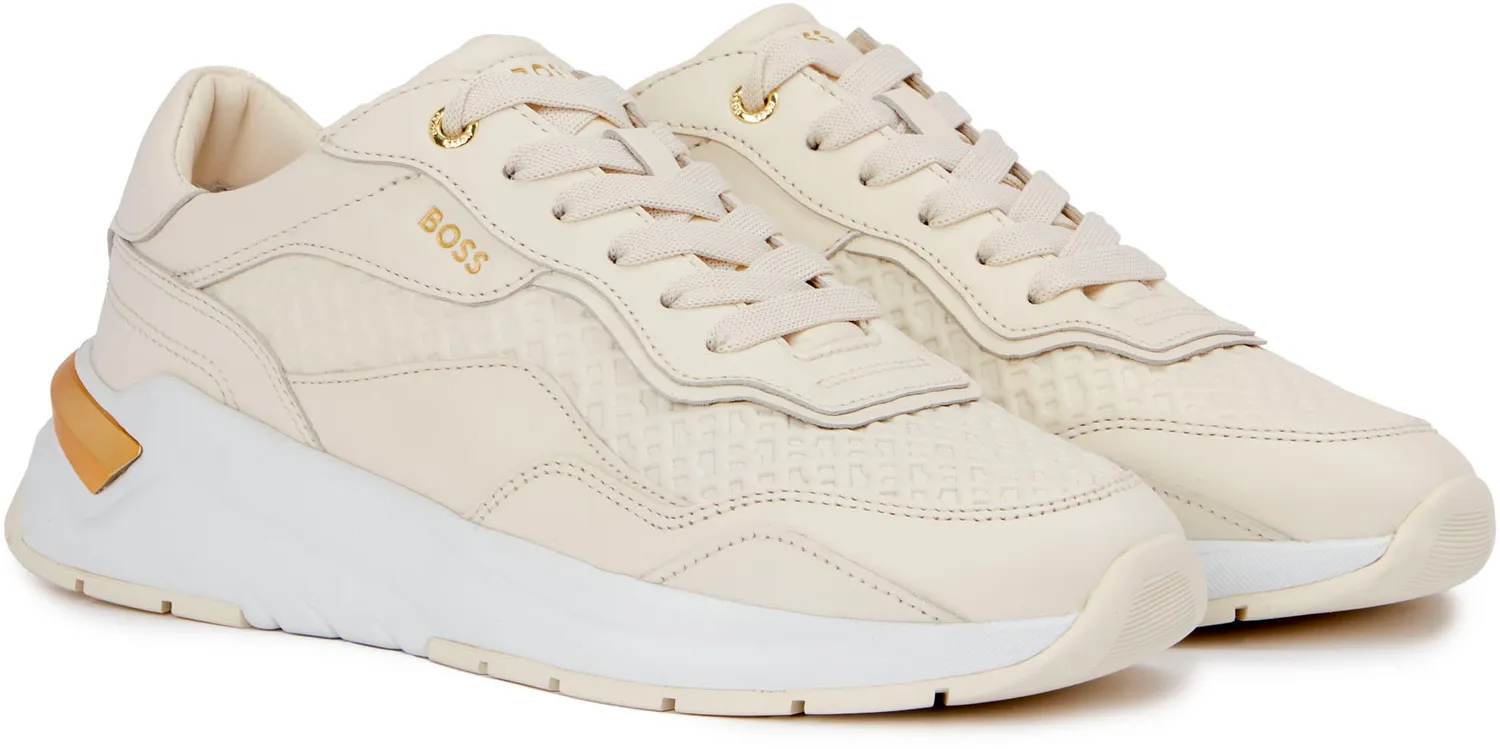
Women's Leather Trainers
0000Women's Leather Trainers FAQs
Understanding leather trainers helps you choose quality pairs and maintain them properly. Whether you're wondering about care, styling, or value, we've answered the common questions.
Why choose leather over canvas trainers?
Leather trainers offer superior durability, weather resistance, and ageing characteristics compared to canvas alternatives. Quality leather withstands daily wear for years whilst canvas shows deterioration much faster. Leather provides better structure and support, maintaining shape even after extensive use. It handles moisture better and offers more polished appearance suitable for smart-casual settings where canvas feels too informal. Complete professional looks with coordinating pieces from bags-and-wallets for cohesive styling.
How do I break in leather trainers?
Leather trainers typically require minimal breaking-in, softening naturally within a few wears. Start by wearing them for short periods around the house before committing to full days. Thick socks cushion pressure points if the leather feels stiff. Apply leather conditioner before first wear to soften the material slightly. Quality leather moulds to your foot shape gradually without causing significant discomfort. For outdoor activities requiring more robust footwear, explore sports sandals designed for immediate comfort.
Can leather trainers get wet?
Leather trainers handle light rain reasonably well when properly treated with waterproof spray. Apply protector before first wear and reapply every few weeks for maximum defence. Wipe wet trainers immediately with a dry cloth and stuff with newspaper to absorb internal moisture. Air dry away from direct heat sources which crack leather permanently. Avoid wearing leather trainers in heavy downpours, as excessive water causes lasting harm. For truly wet conditions, switch to slides or proper waterproof footwear instead.
How do I clean white leather trainers?
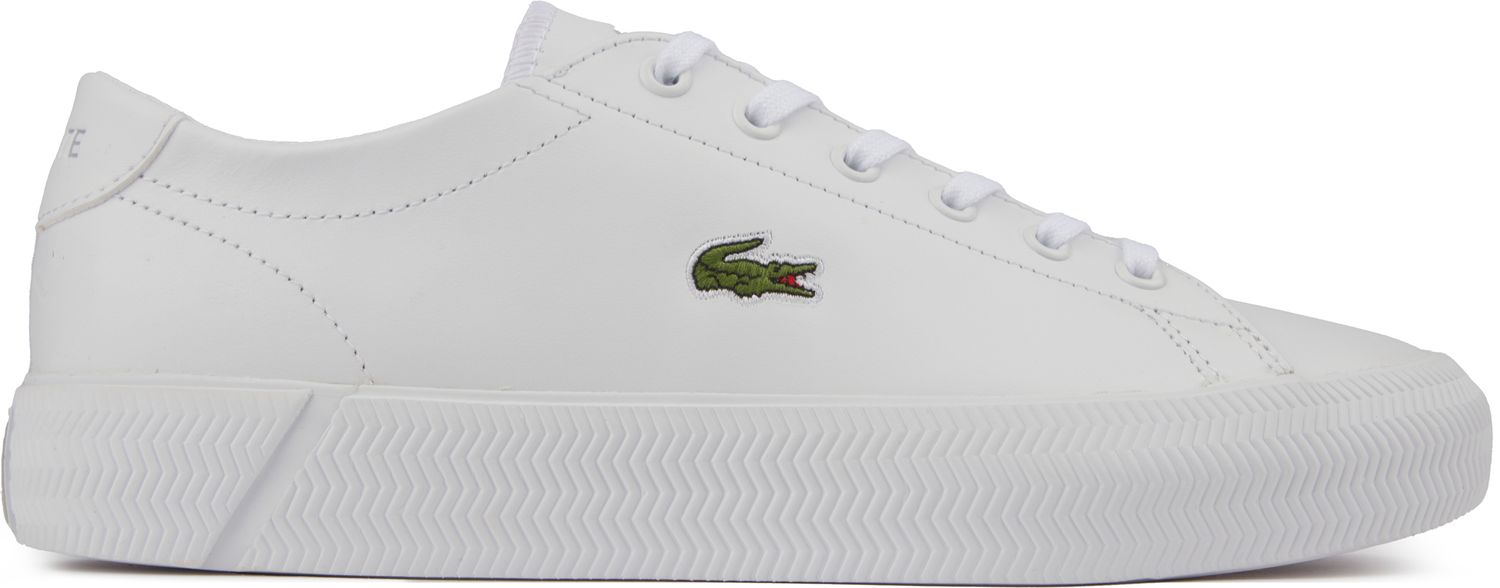
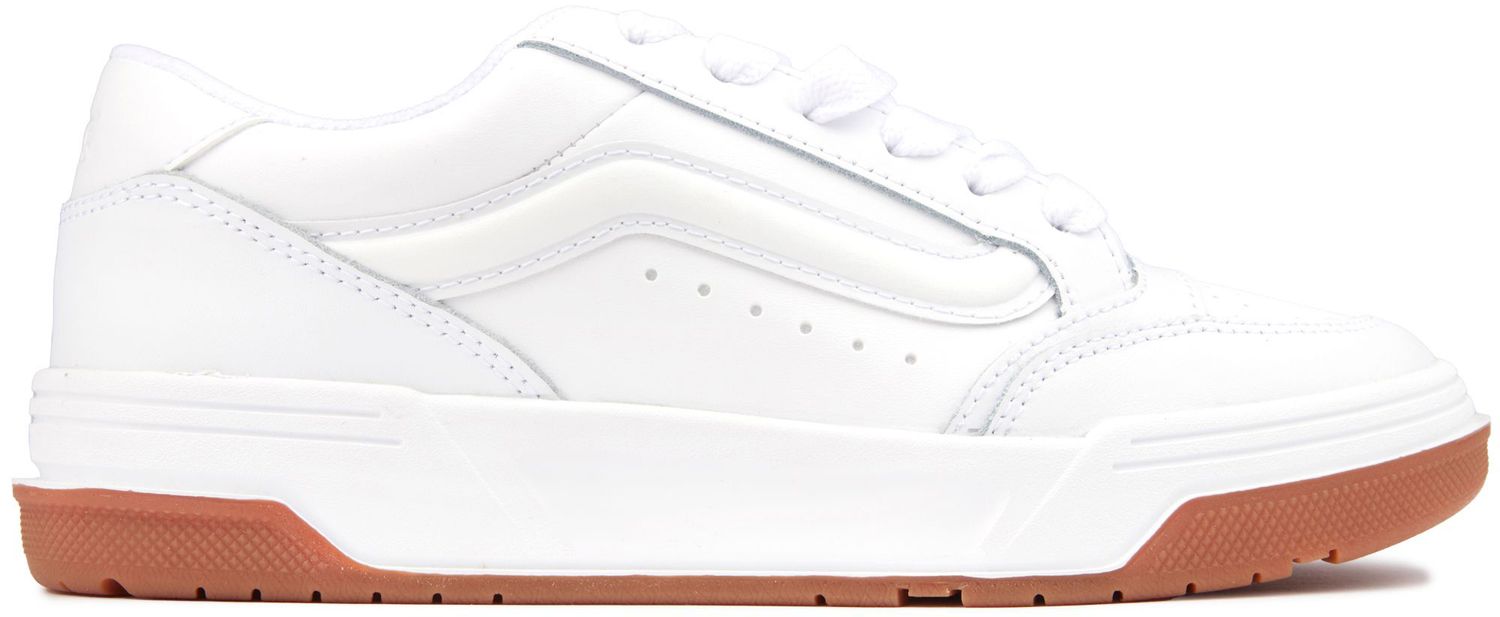
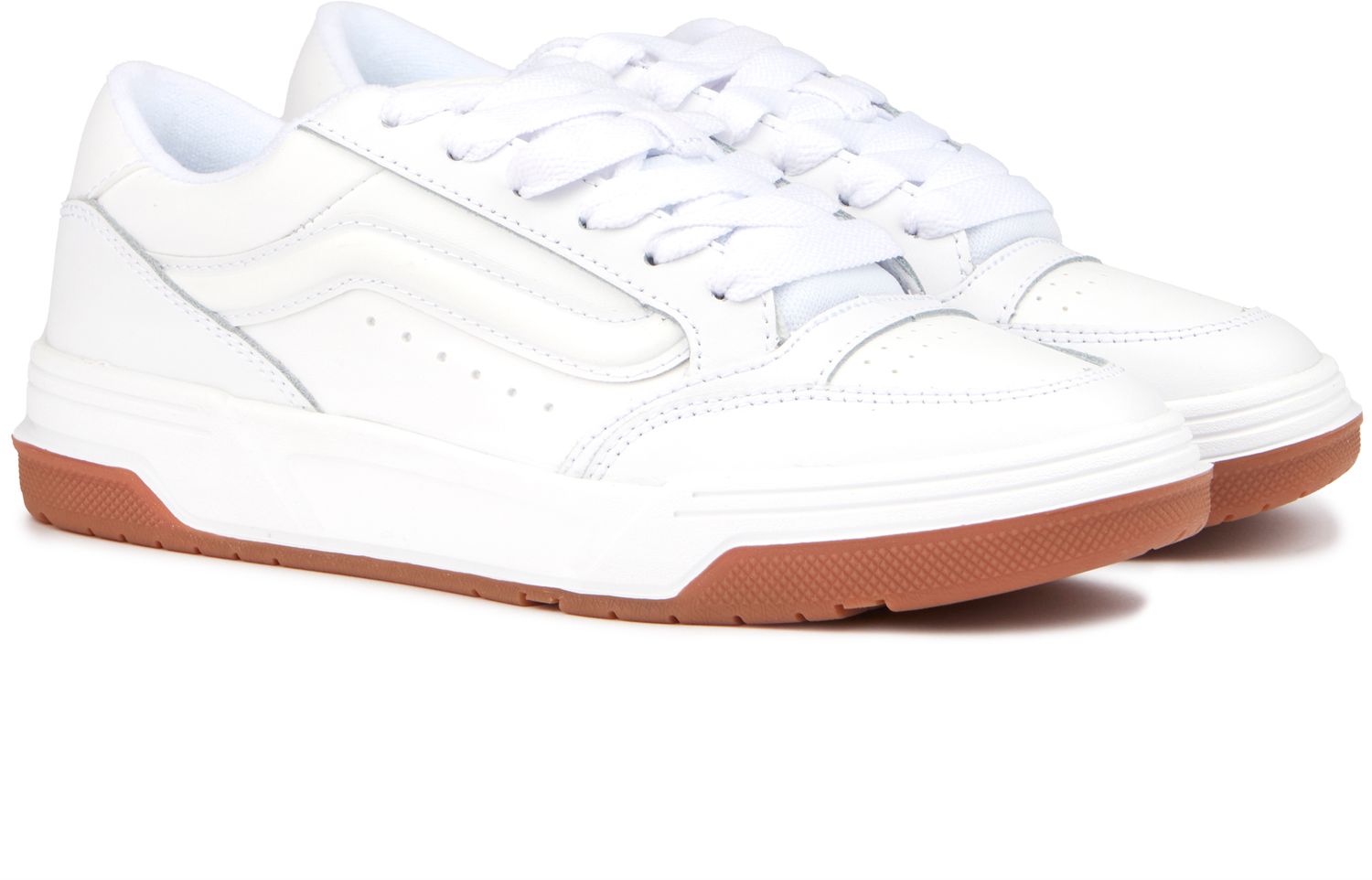
Clean white leather trainers regularly to prevent dirt from setting permanently. Use a soft cloth dampened with mild soap solution, working gently across the surface. Magic erasers remove scuffs from rubber toe caps effectively. For stubborn marks, specialist leather cleaners work better than household products. Apply leather conditioner after cleaning to maintain suppleness. Remove laces before cleaning to reach tongue areas properly. Consider protective spray creating barriers against future staining. Store them in dust bags from wallets-and-purses when not wearing.
Do leather trainers work for exercise?
Leather trainers handle walking, light gym sessions, and general fitness adequately, though dedicated performance footwear offers superior technical features for serious training. Leather provides less breathability than modern mesh constructions, potentially causing overheating during intense cardio. However, leather offers excellent lateral support and durability for strength training and everyday movement. For hiking and outdoor adventures, proper outdoor boots provide better ankle protection and grip on varied terrain.
Are expensive leather trainers worth the investment?
Premium leather trainers justify higher costs through superior materials, construction quality, and longevity. Expensive pairs typically use full-grain leather that develops beautiful patina rather than deteriorating. Better stitching ensures soles remain attached through years of wear. Quality brands offer replaceable insoles and better arch support. Cheaper leather trainers may use corrected-grain leather that cracks prematurely. Consider cost per wear rather than initial price. A quality pair lasting five years costs less annually than replacing budget options yearly. For transitional seasons, mid-calf boots offer similar longevity with added warmth.