Socks
0000Socks FAQs
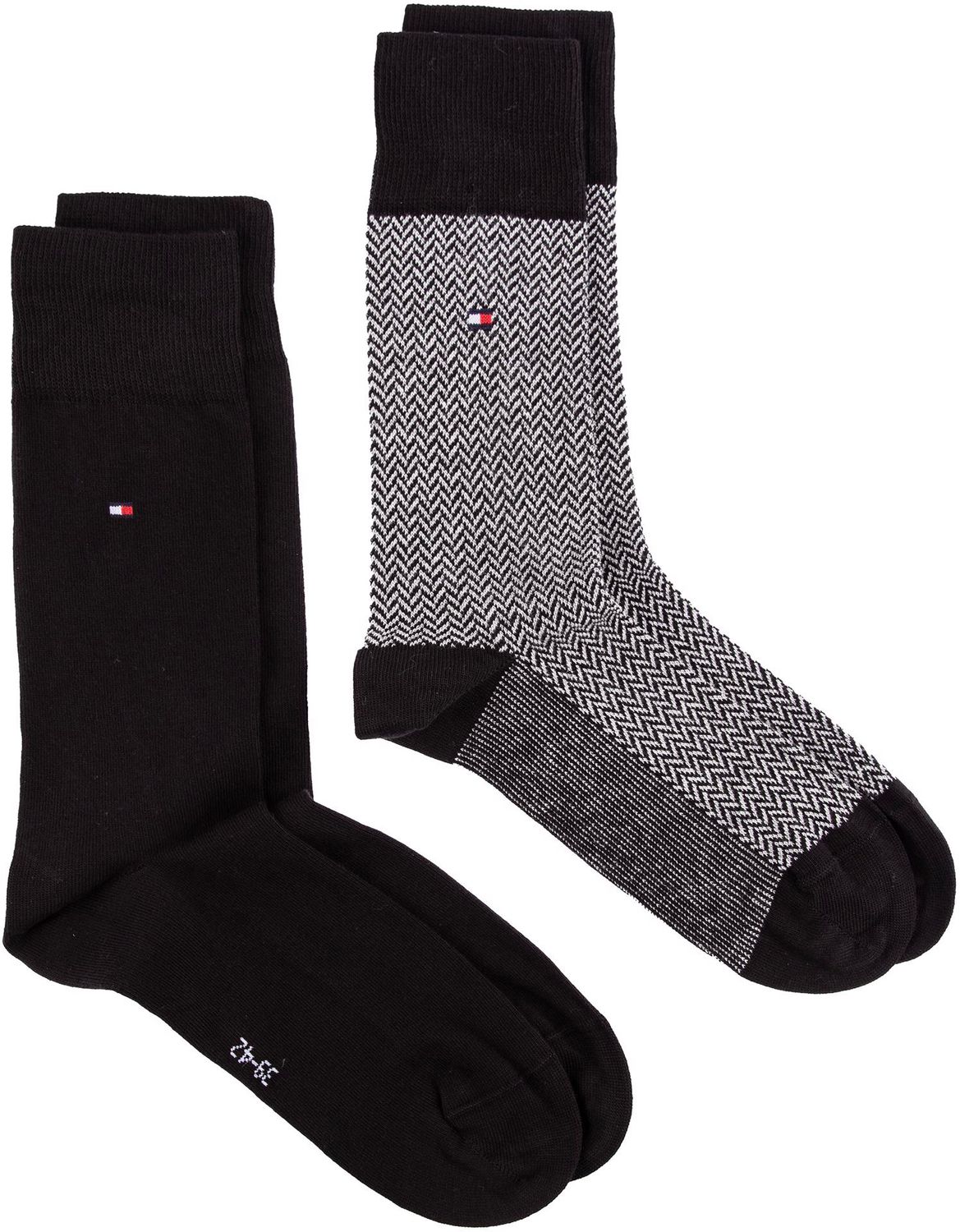
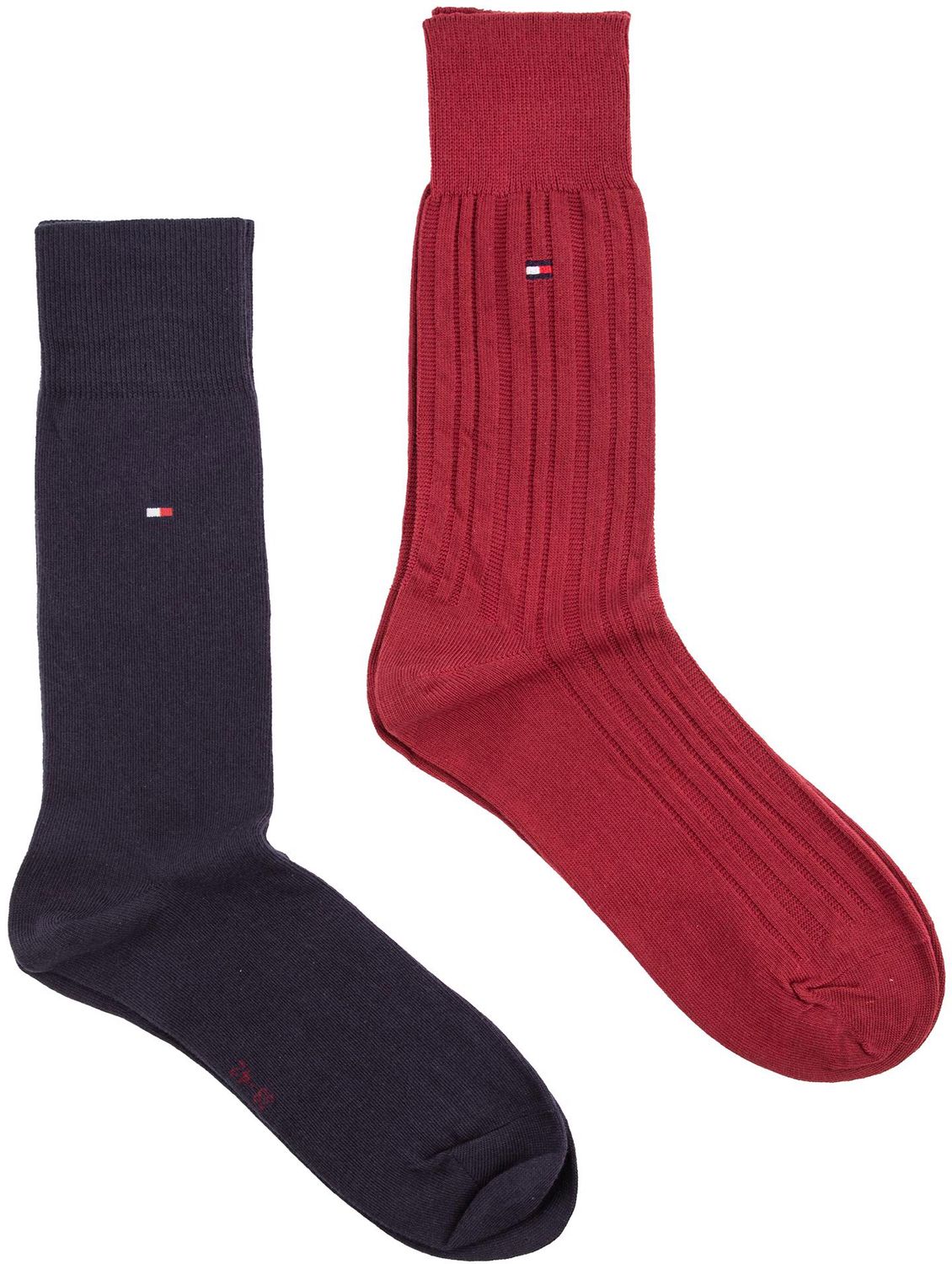
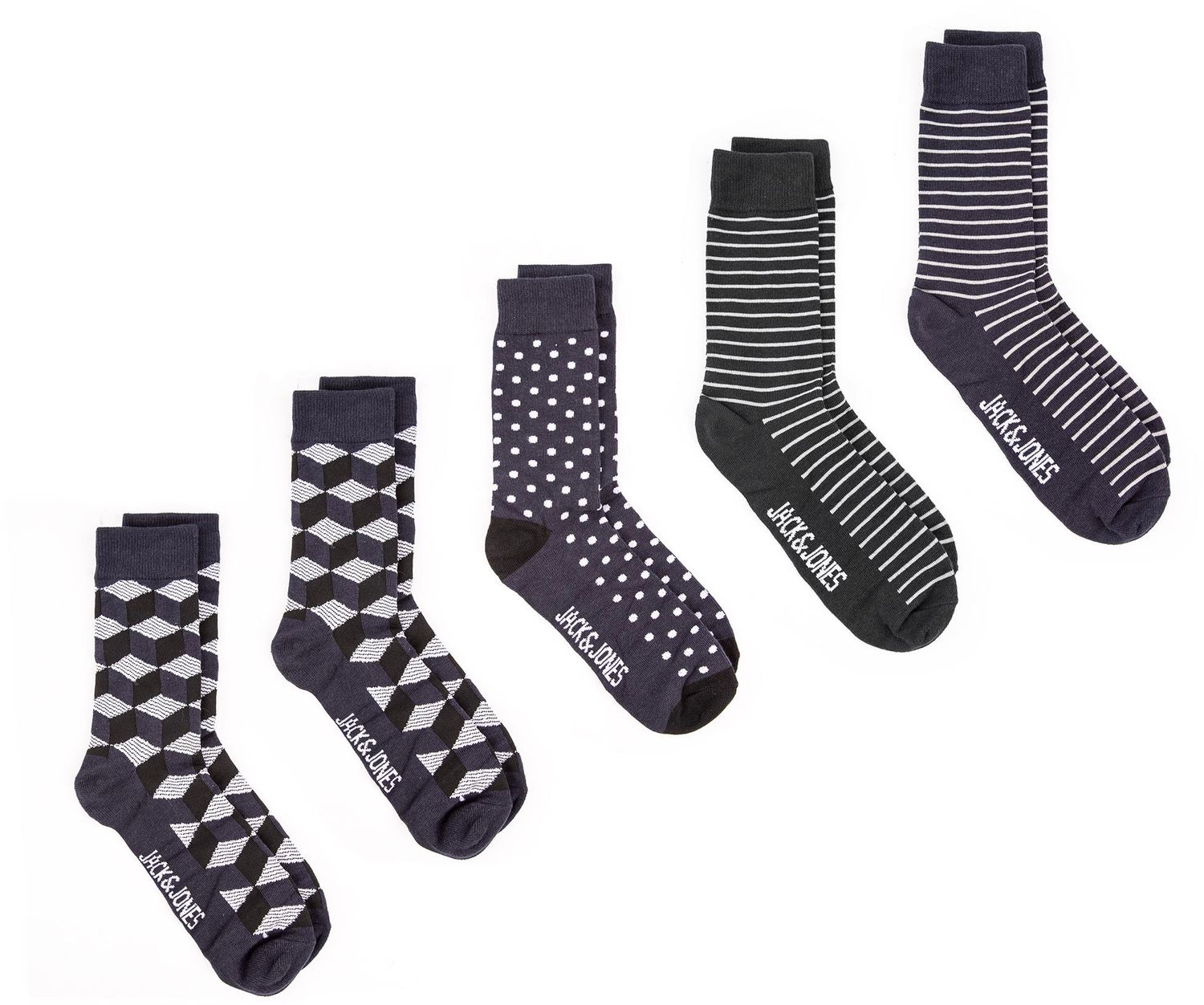
Finding the right socks can make a big difference in comfort. From everyday wear to sports-specific designs, it's important to choose the right style and material for your needs. Whether you're looking for socks to match your trainers or high-performance options for hiking or running, understanding the materials and fit ensures long-lasting comfort.
How do crew socks differ from trainer socks functionally?
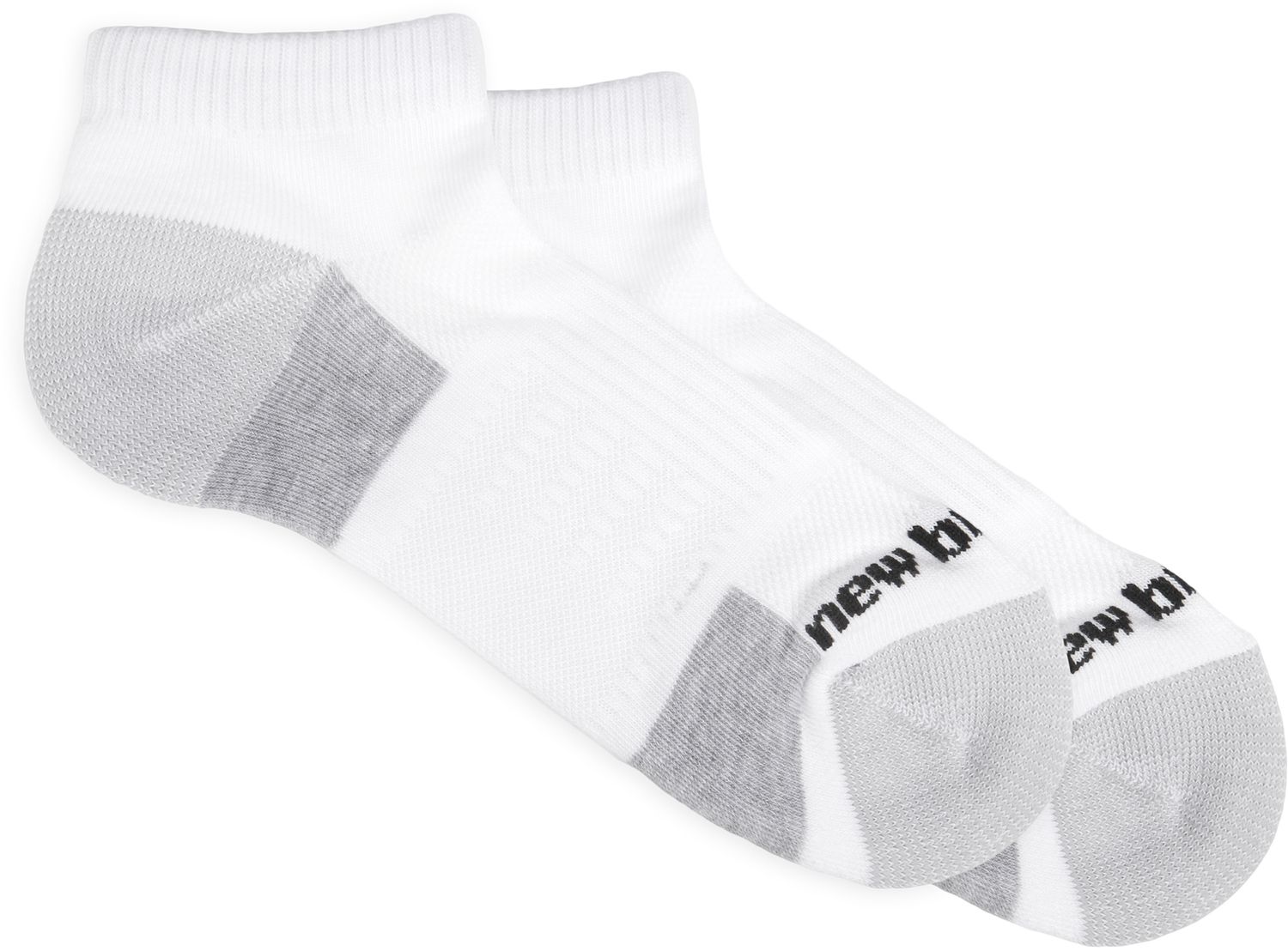
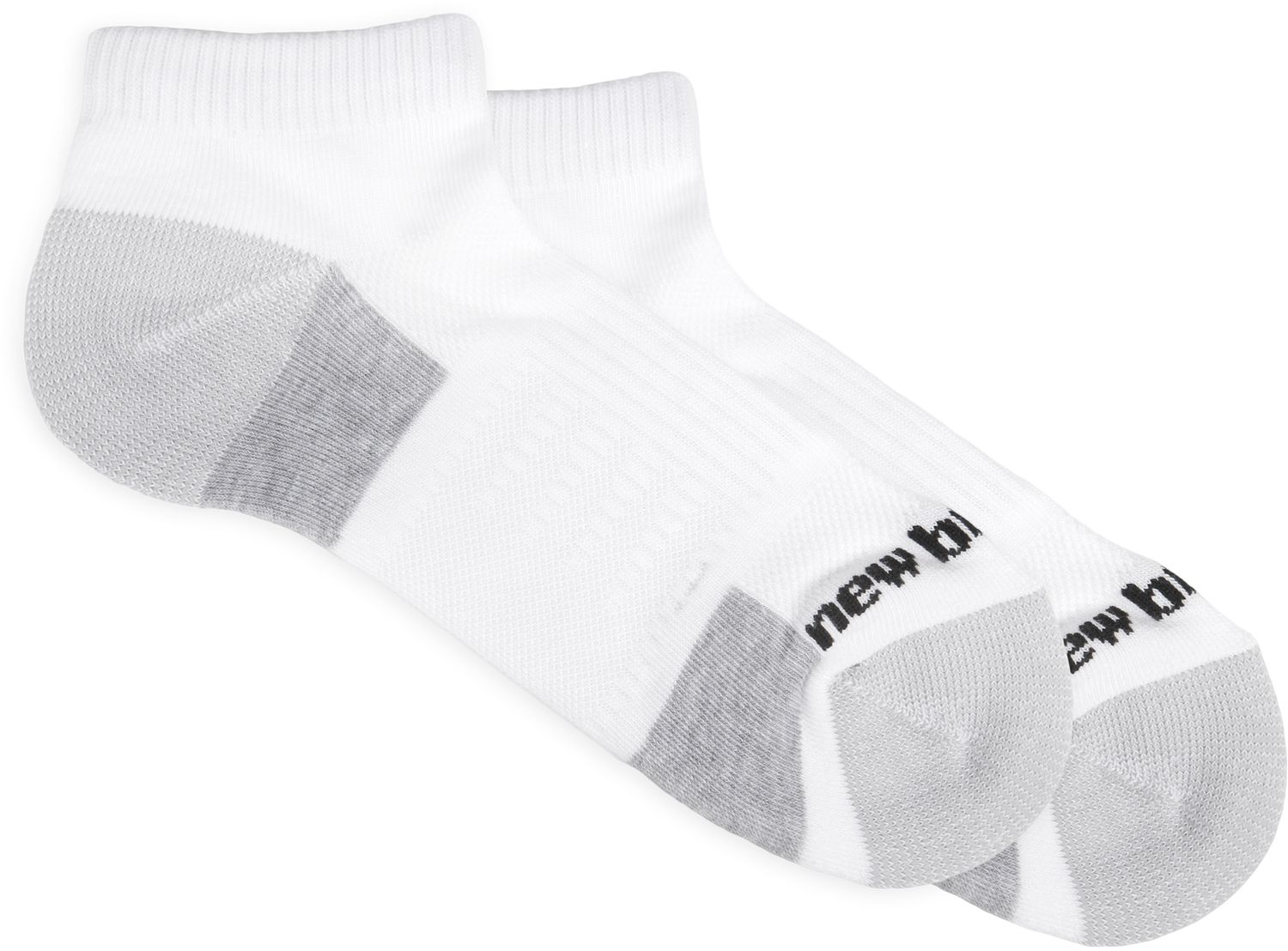
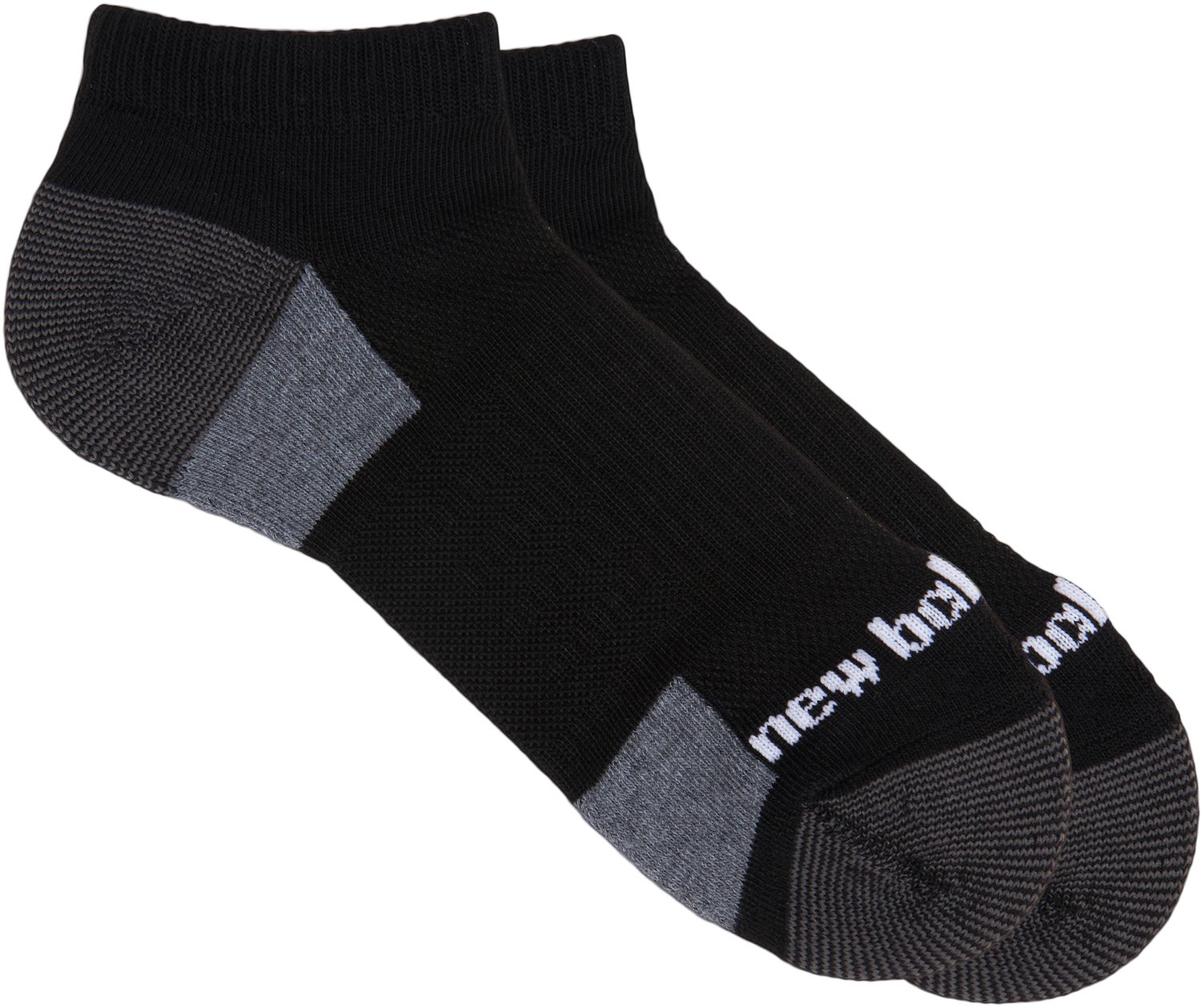
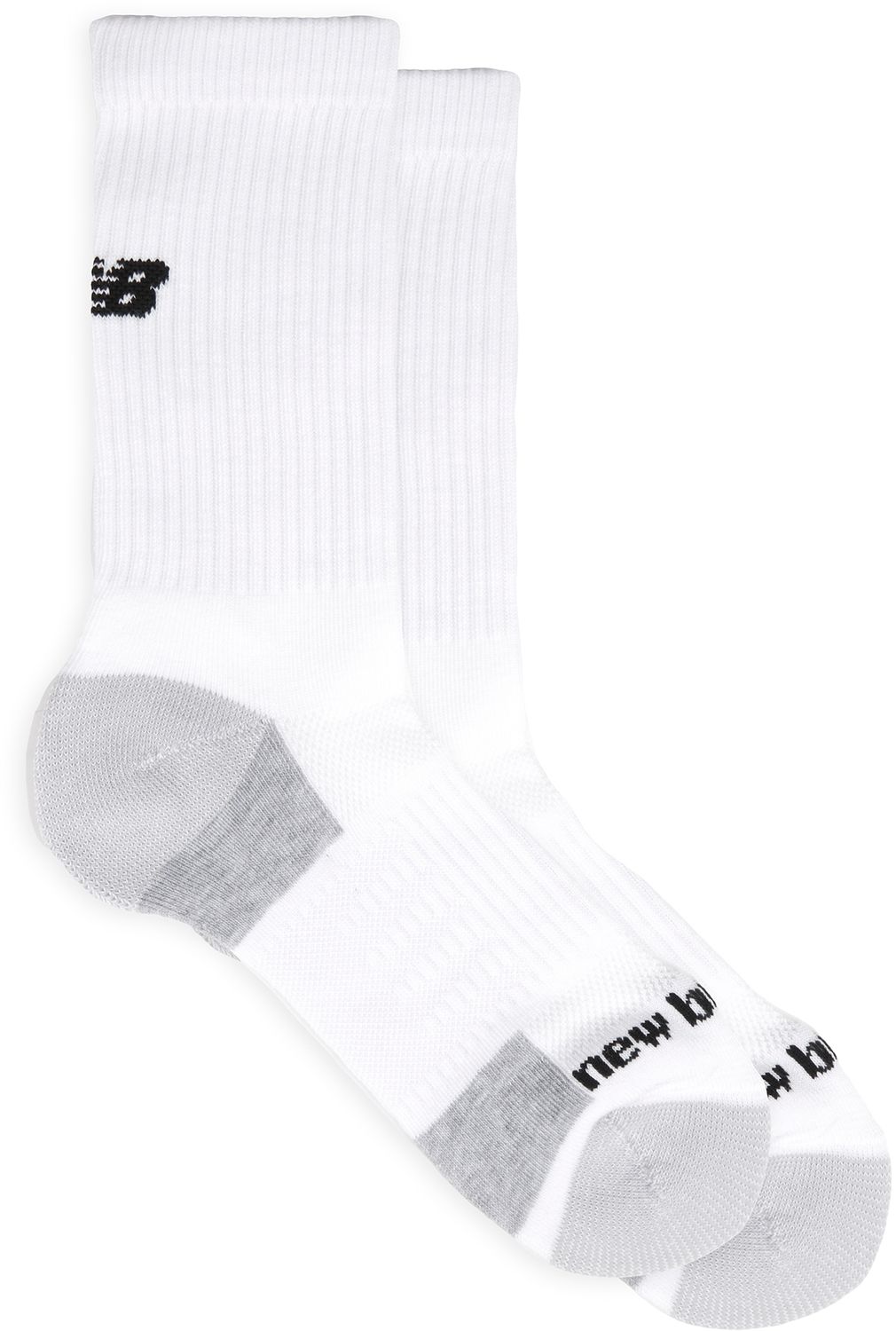
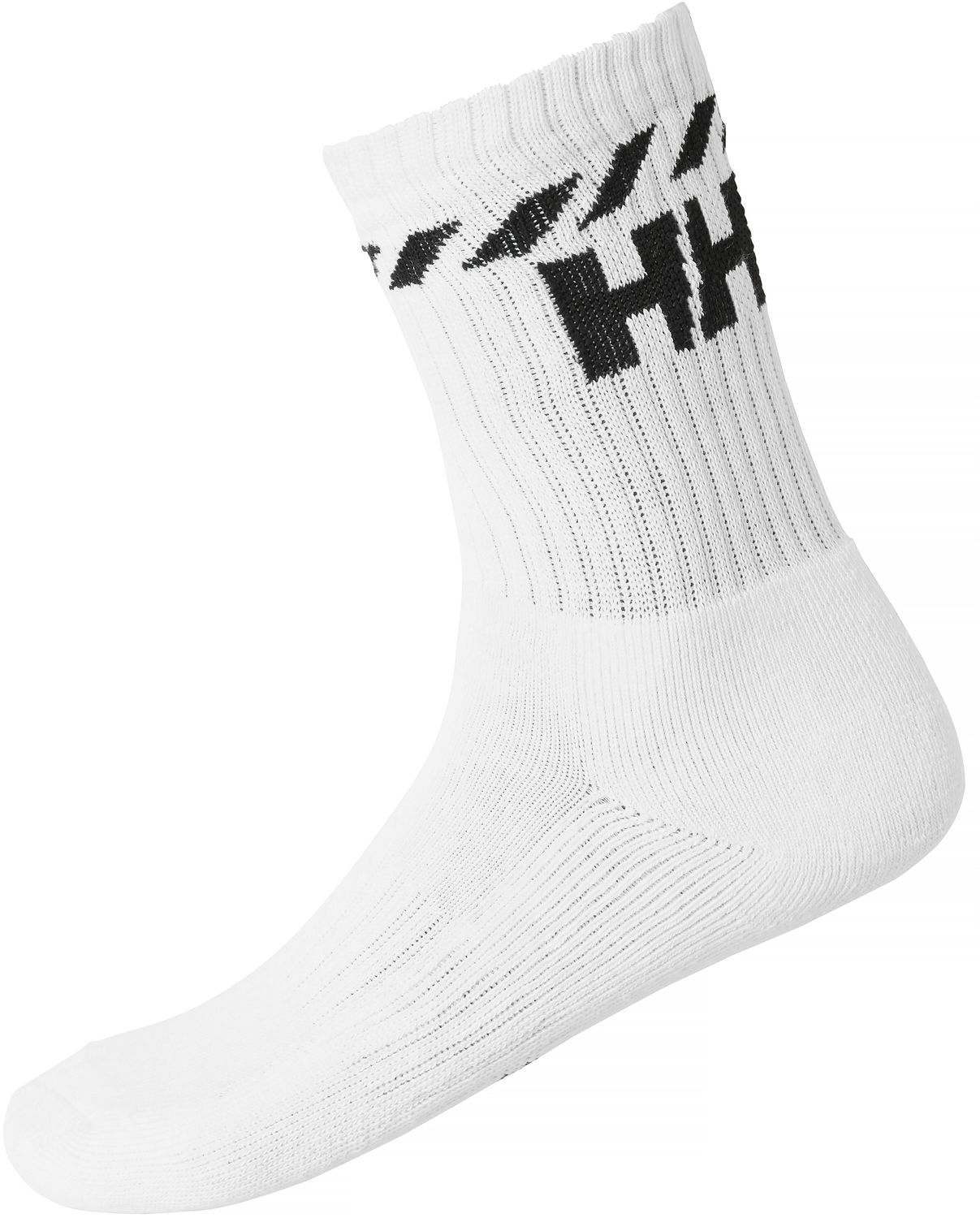
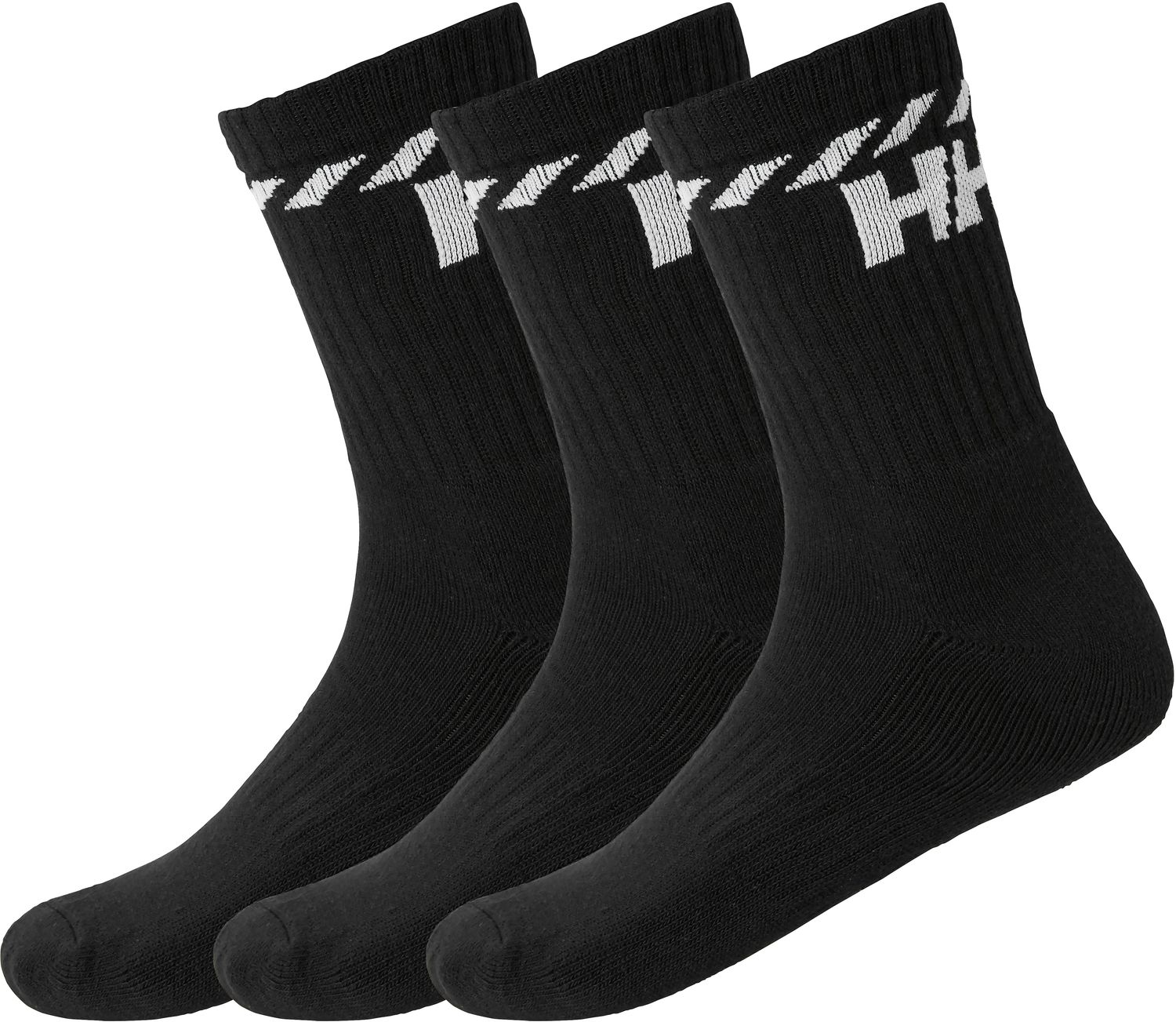
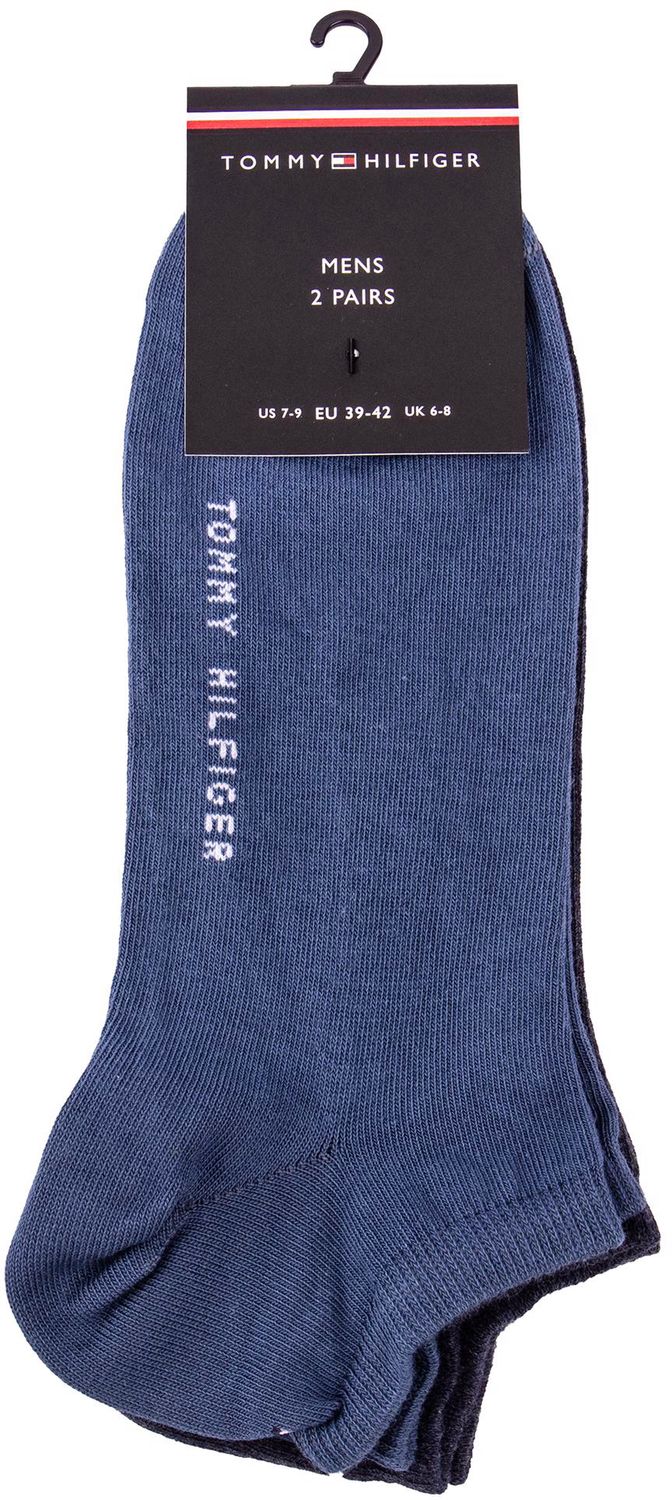
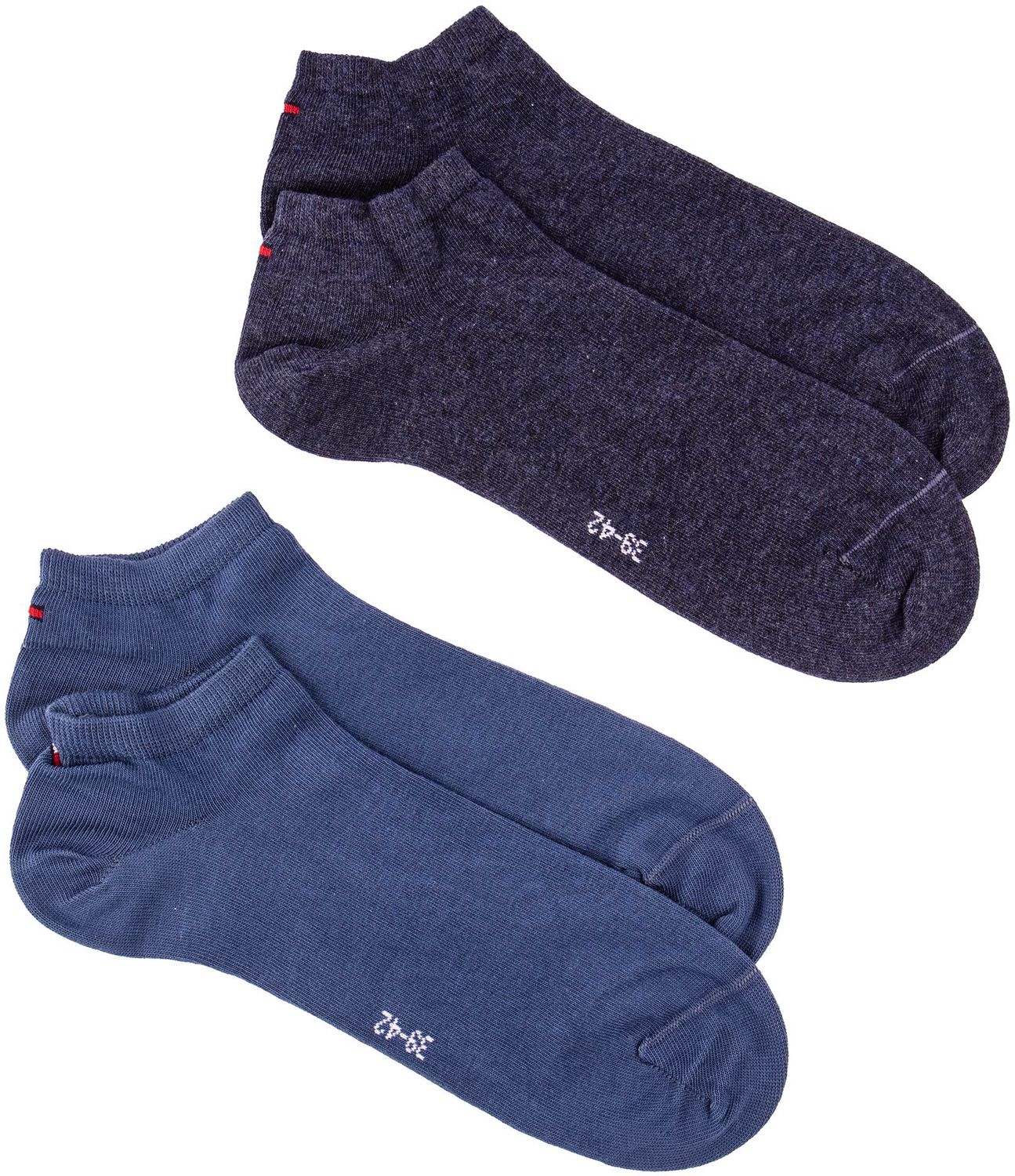
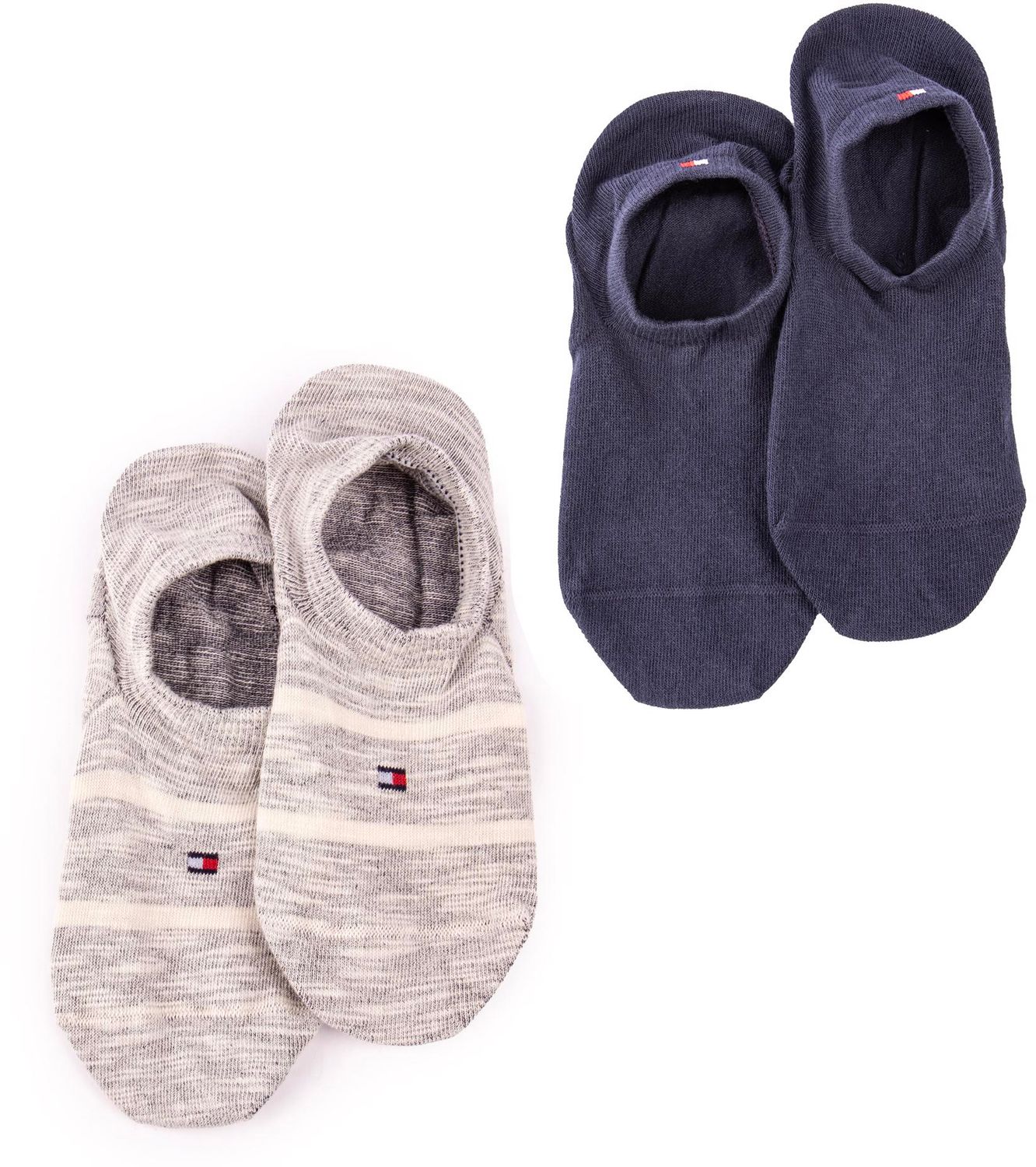
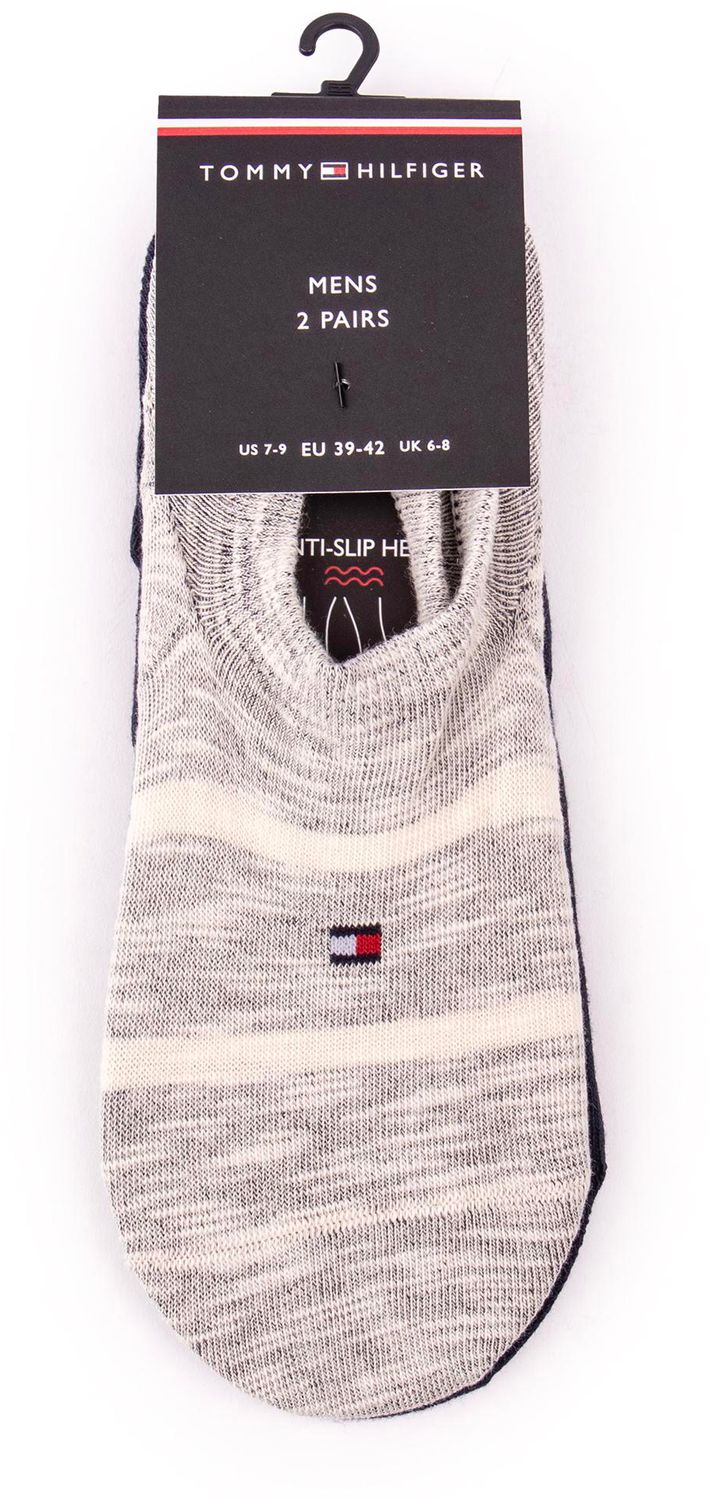
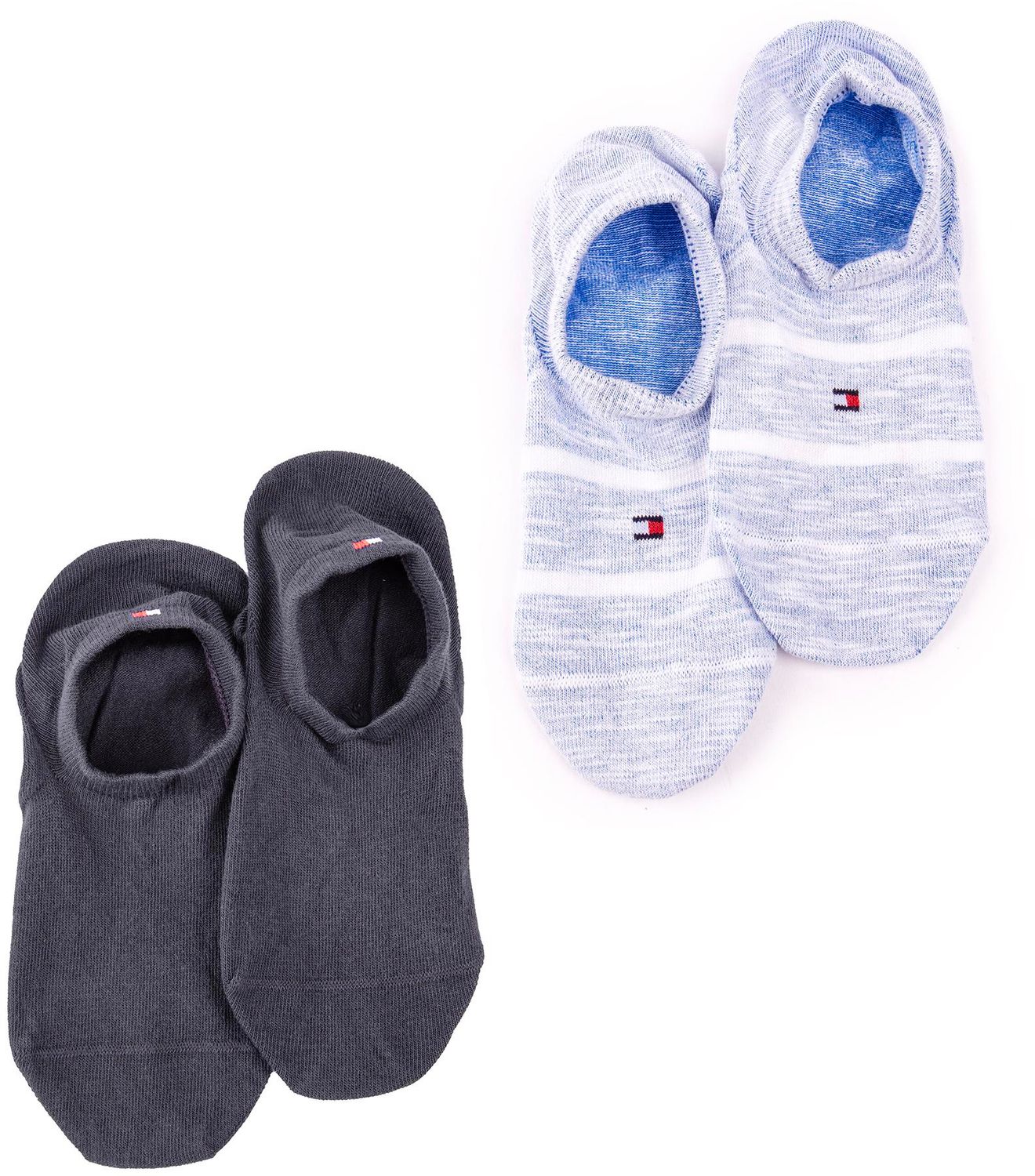
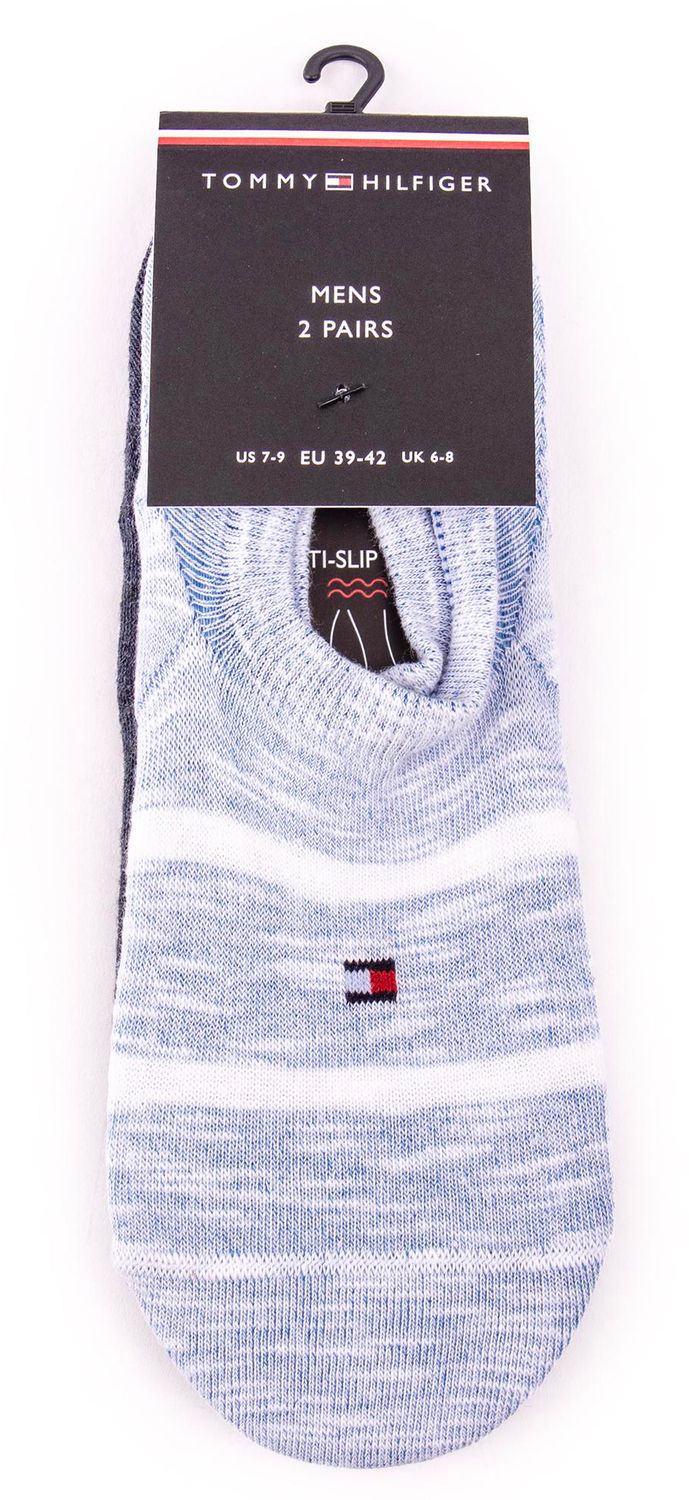
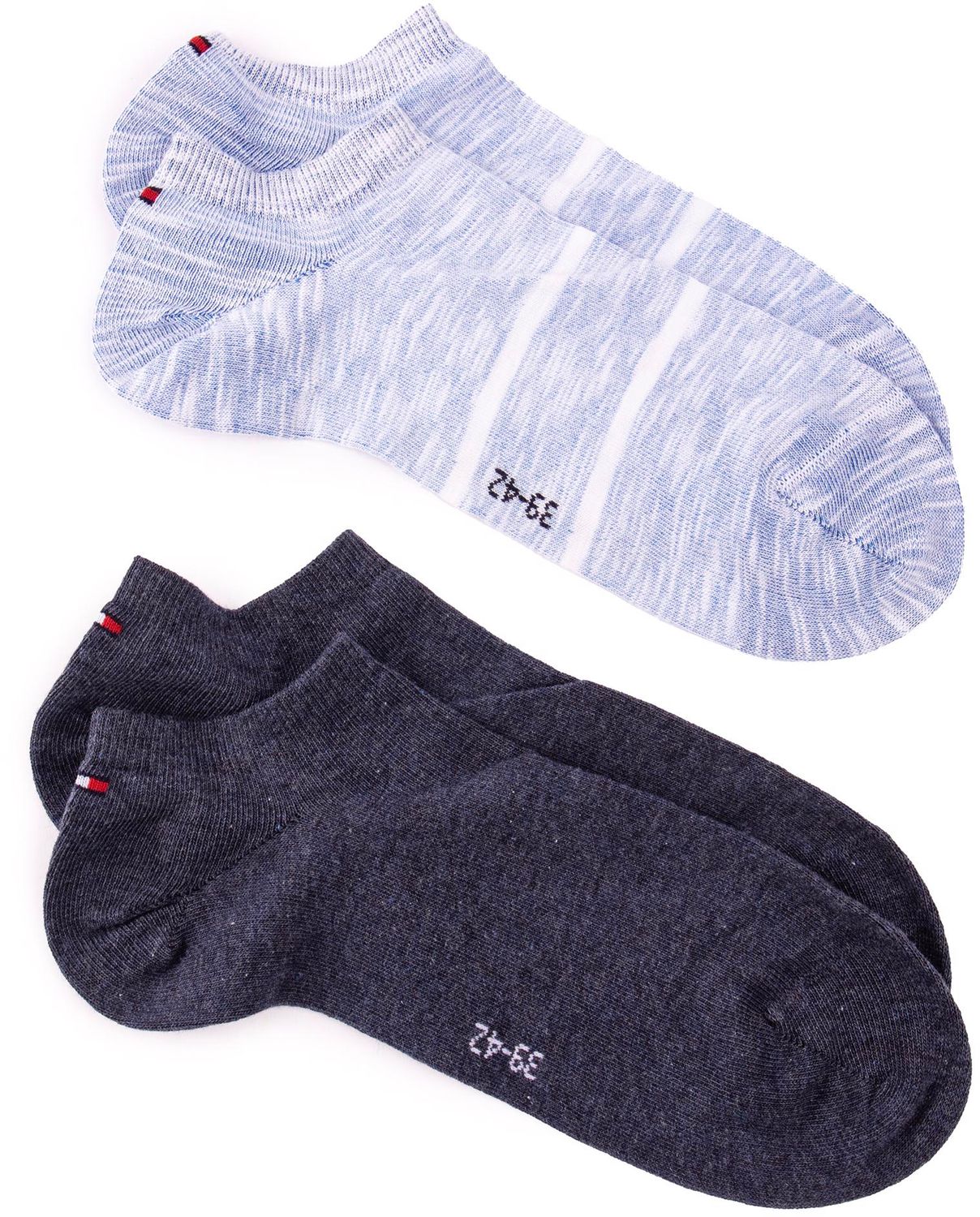
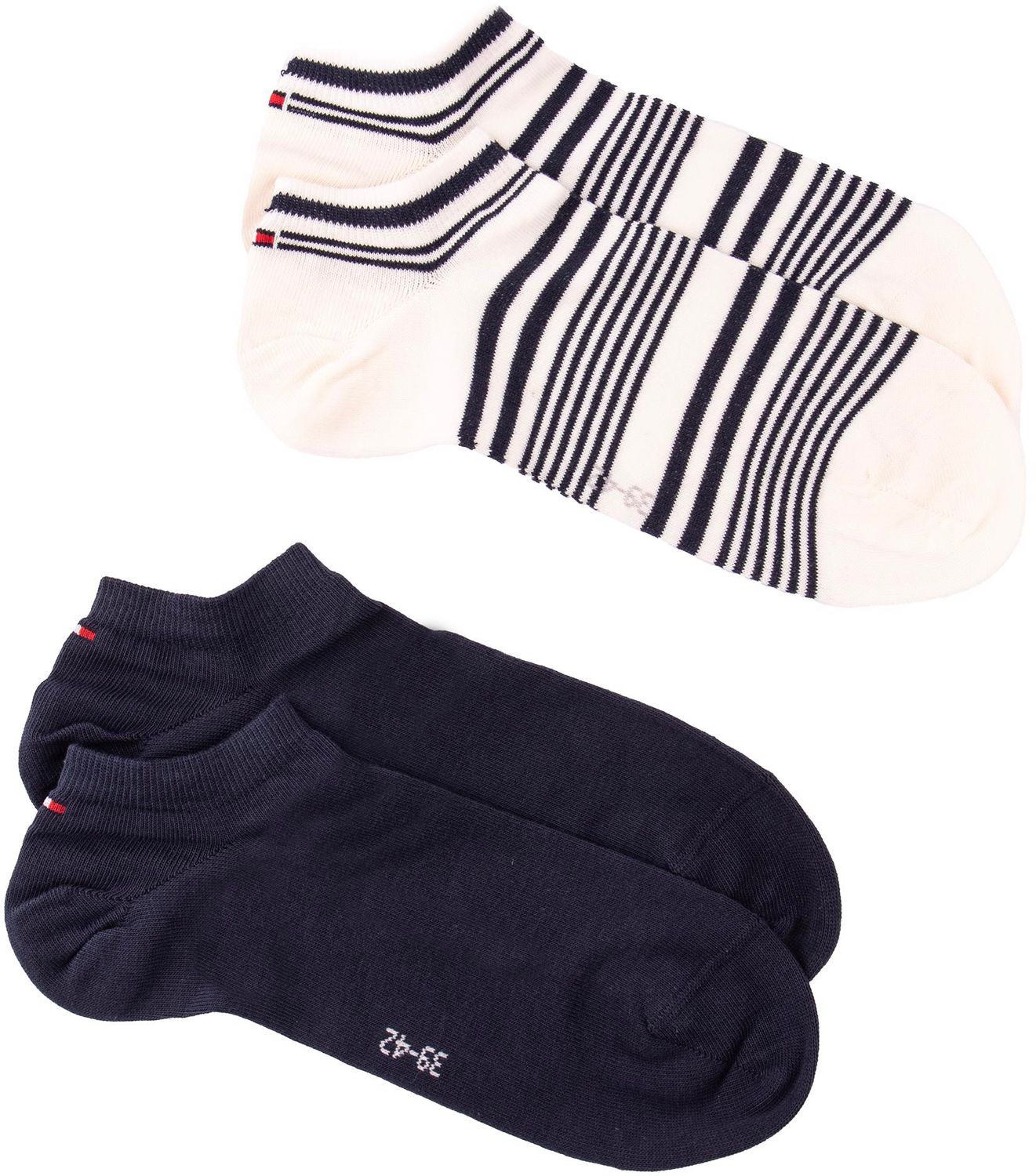
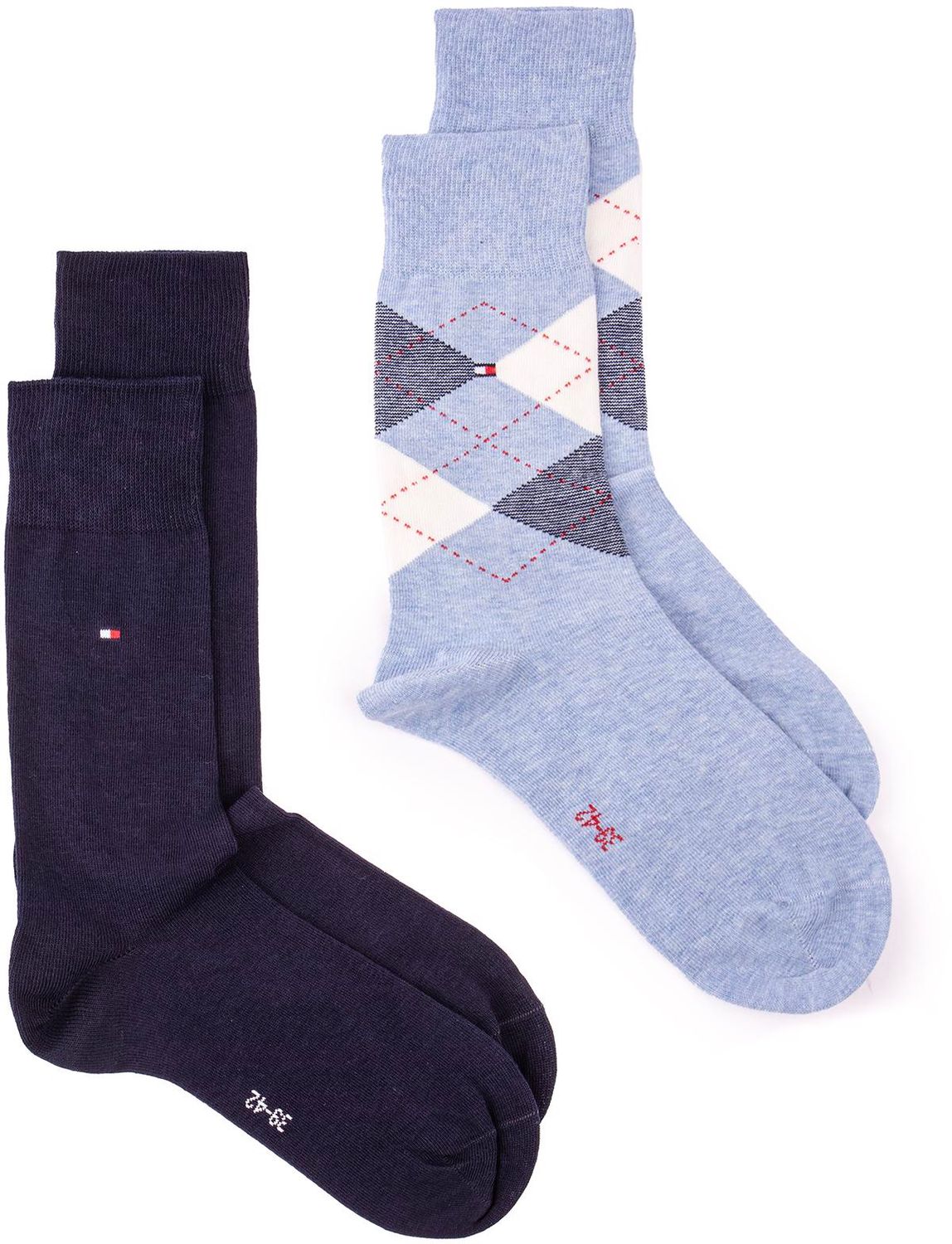
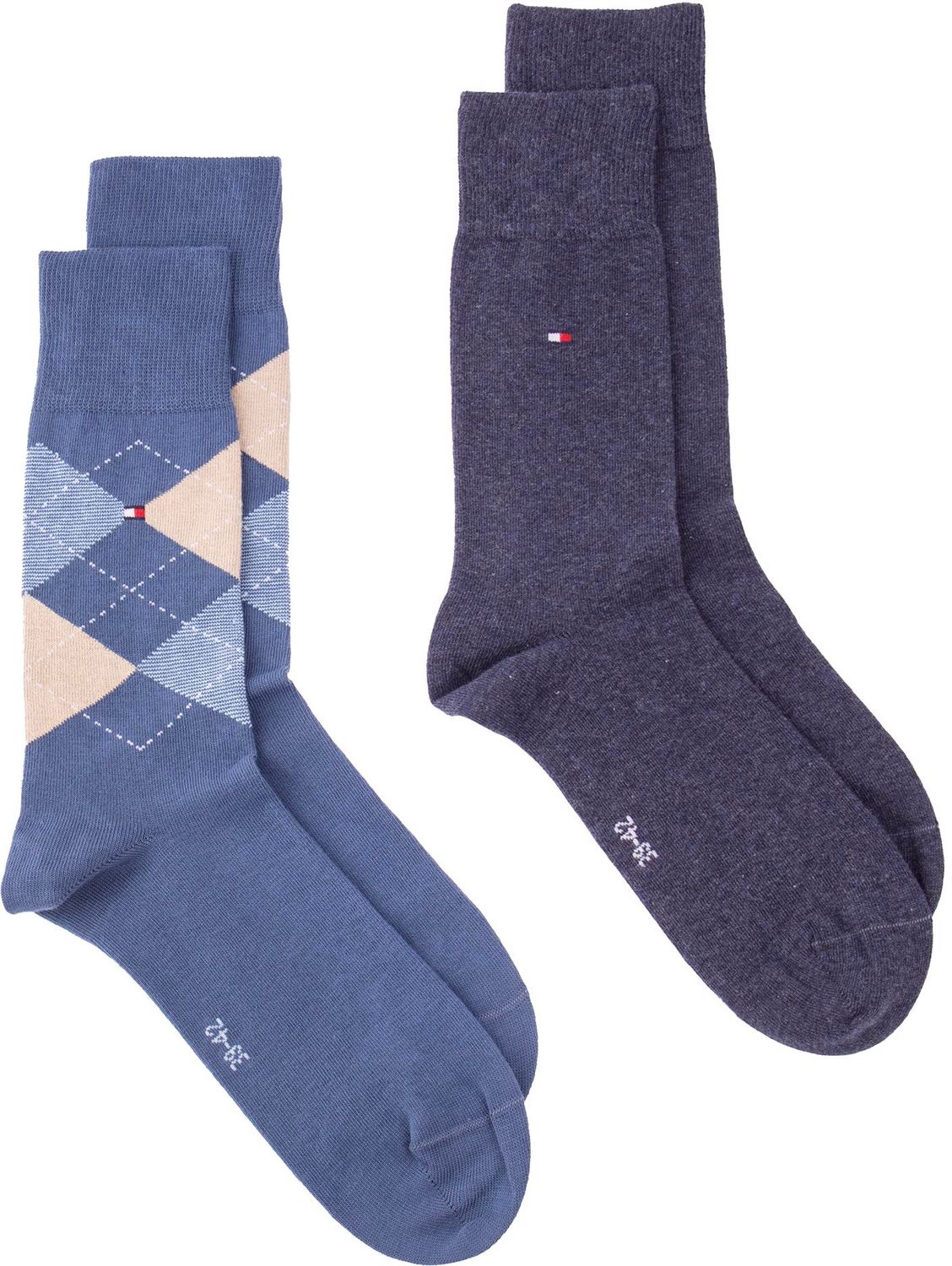
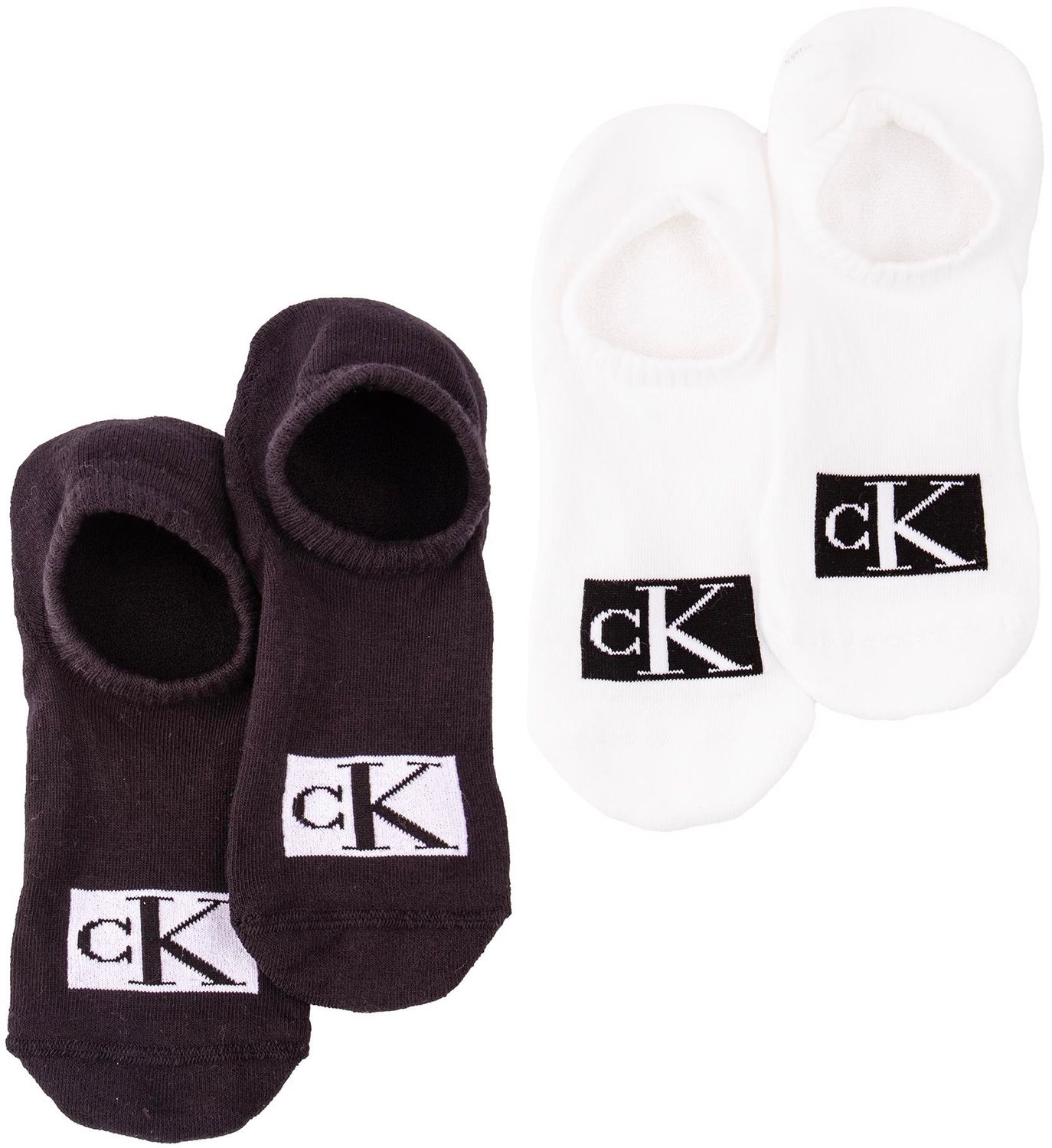
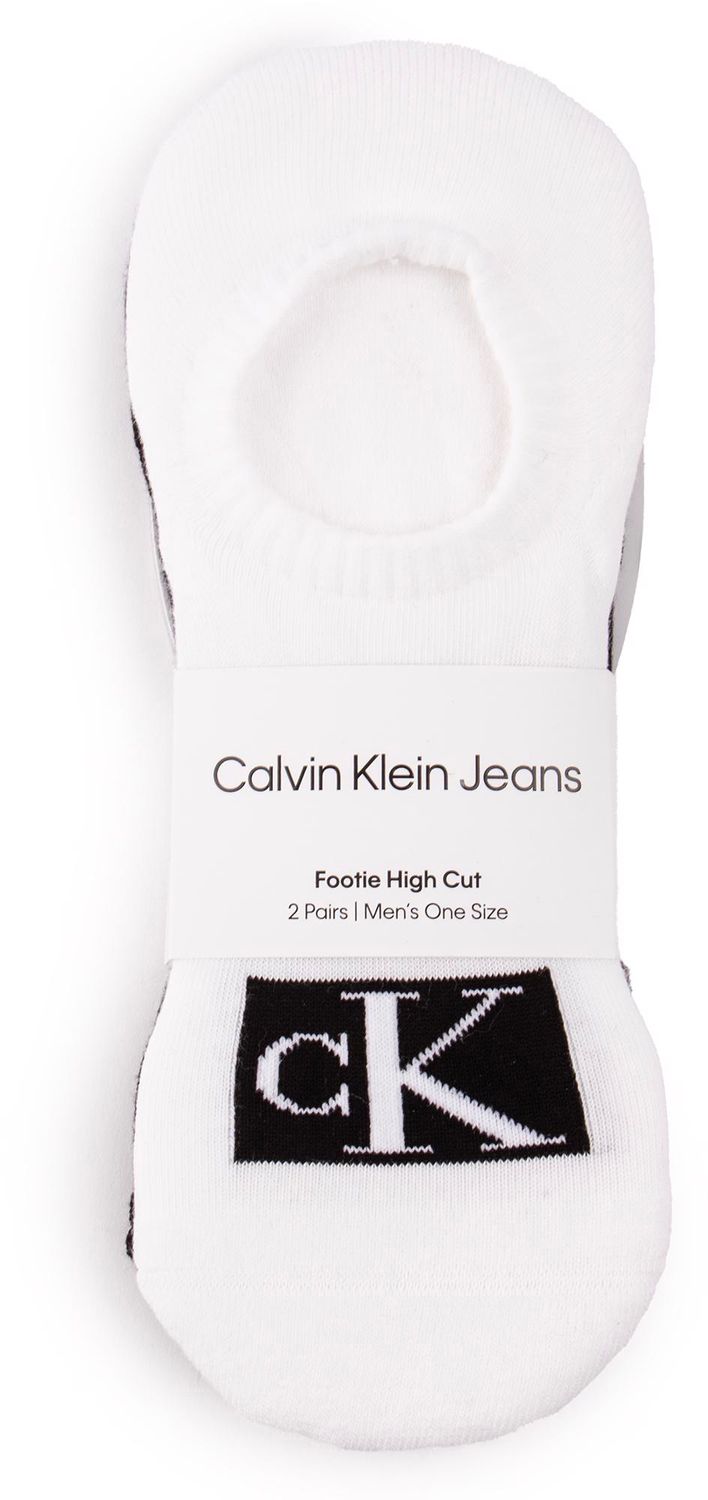
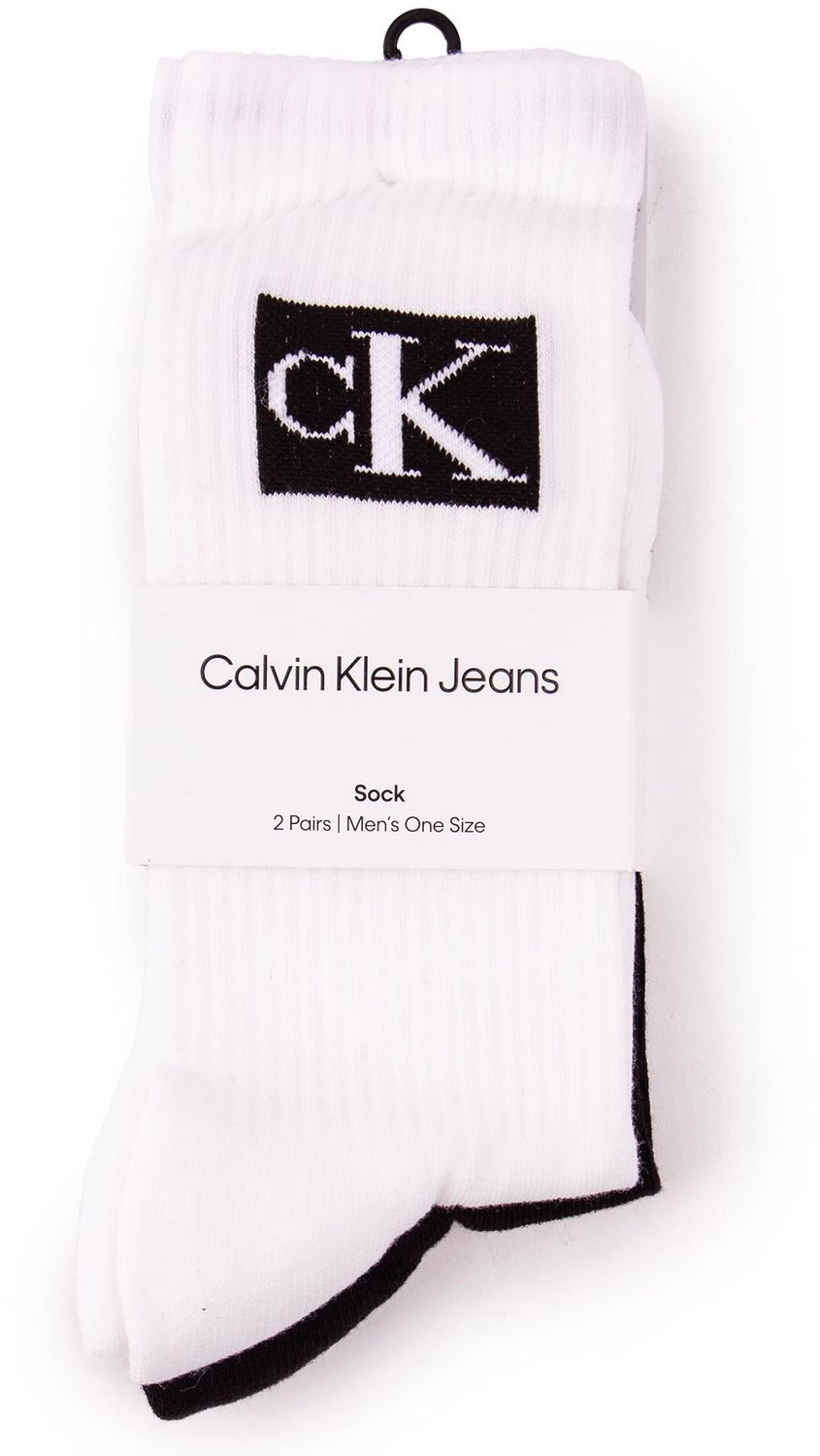
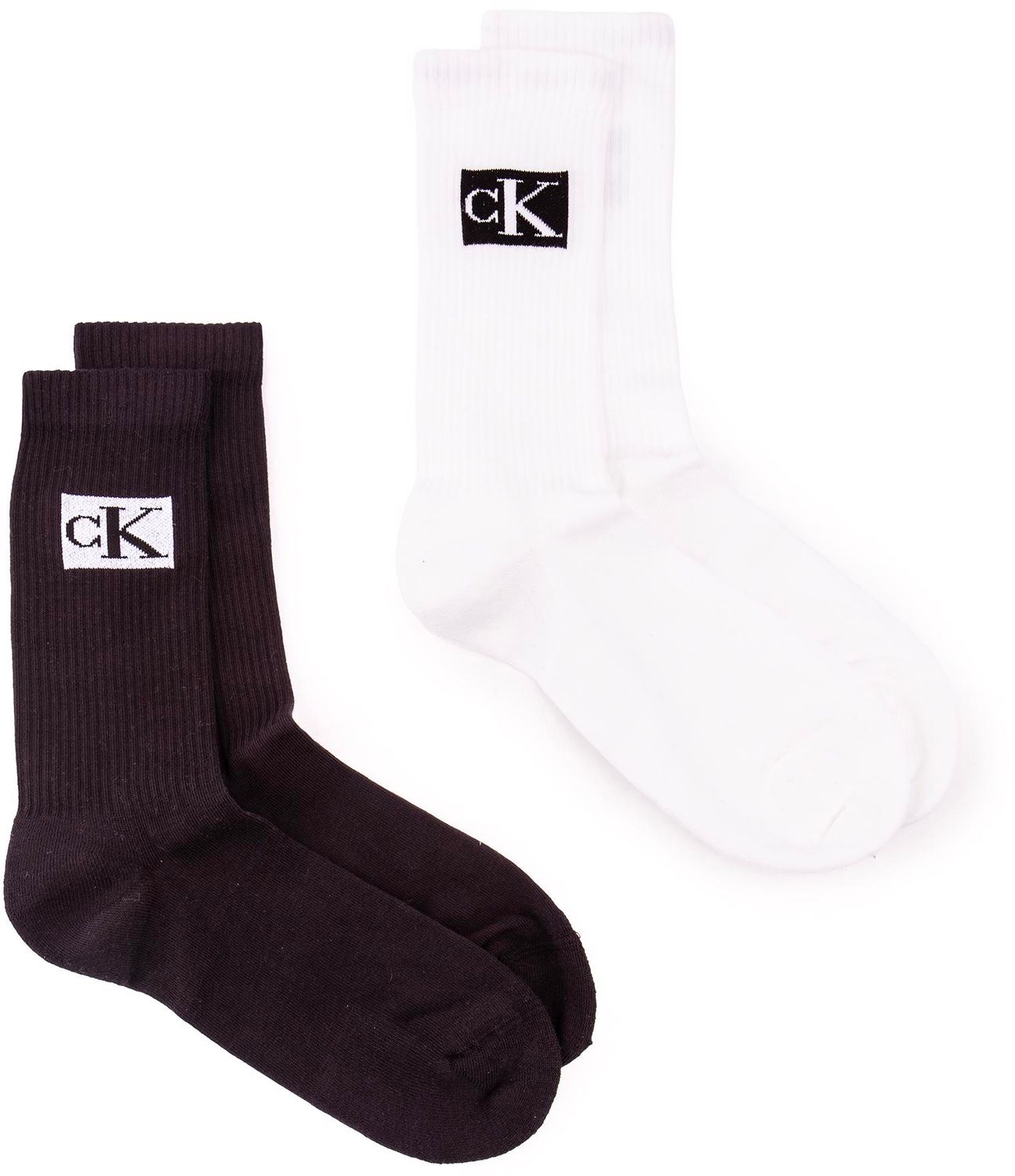
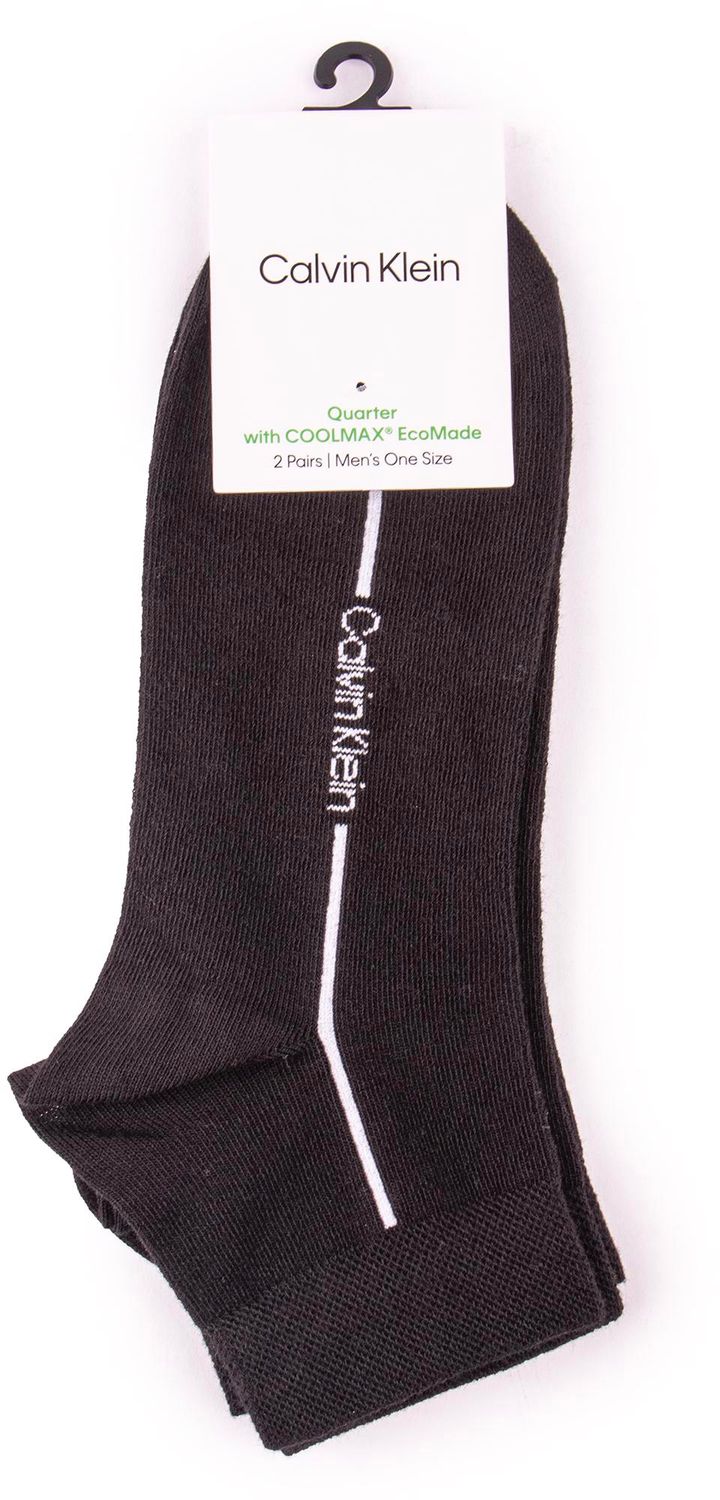
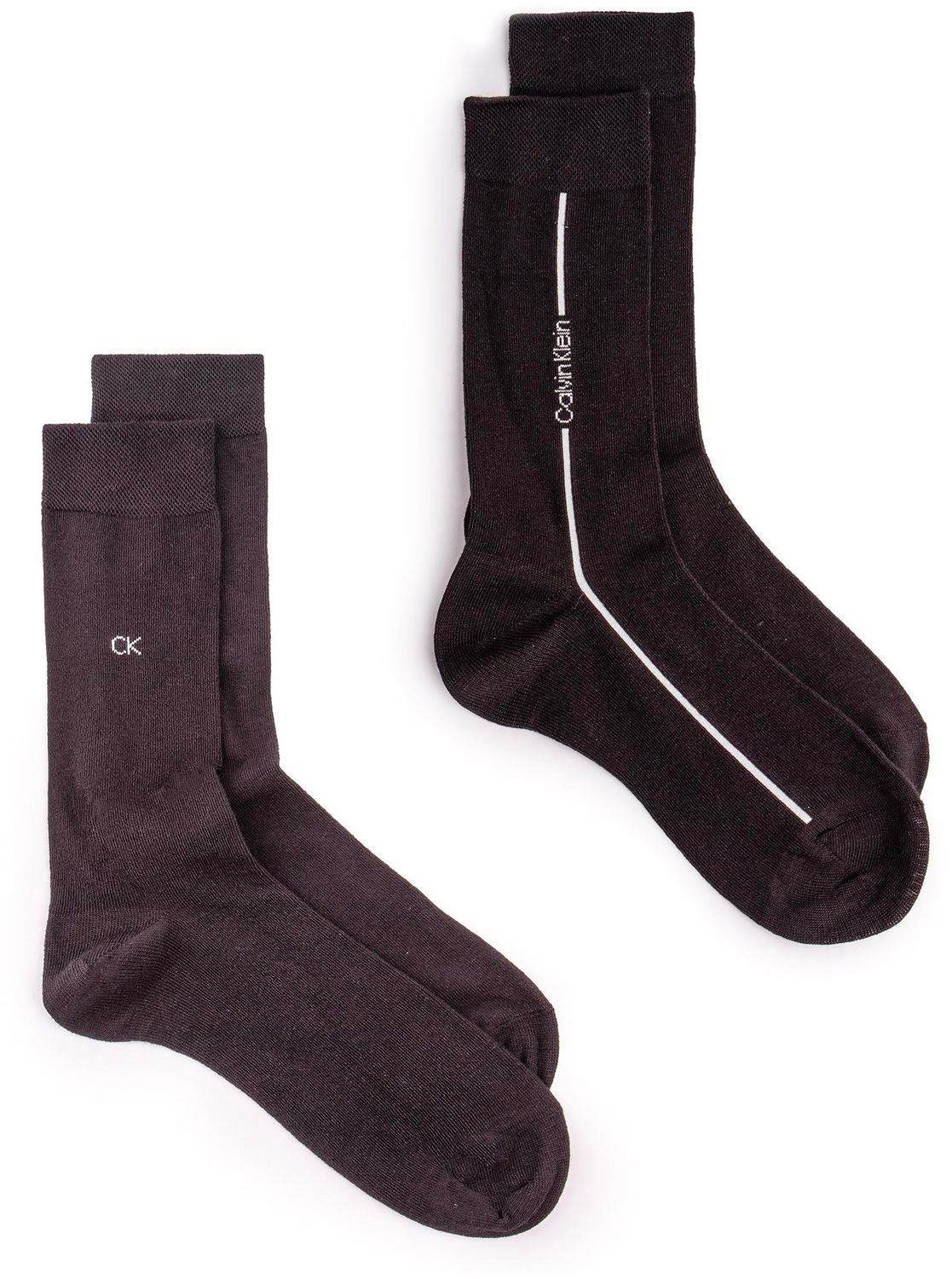
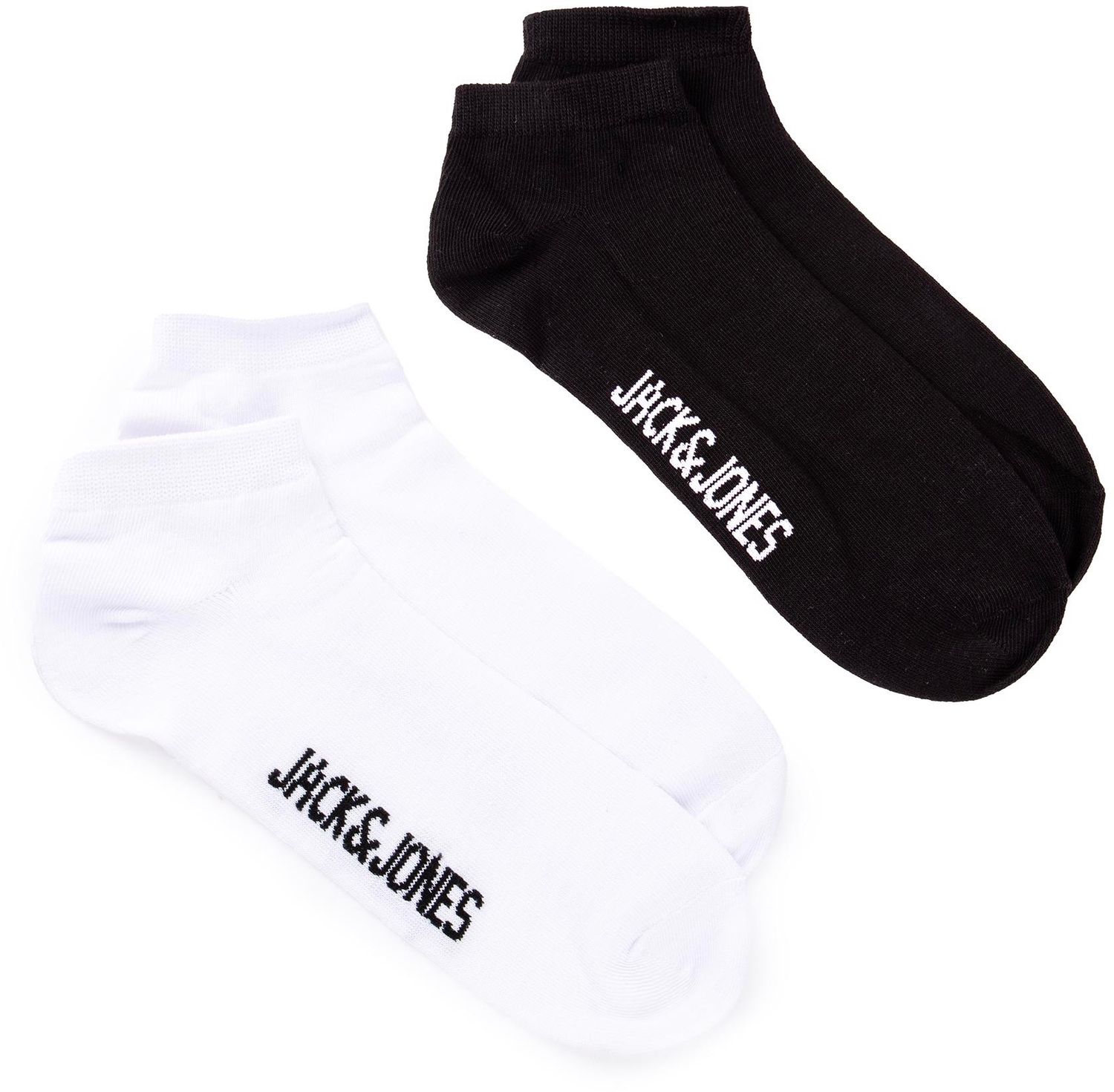
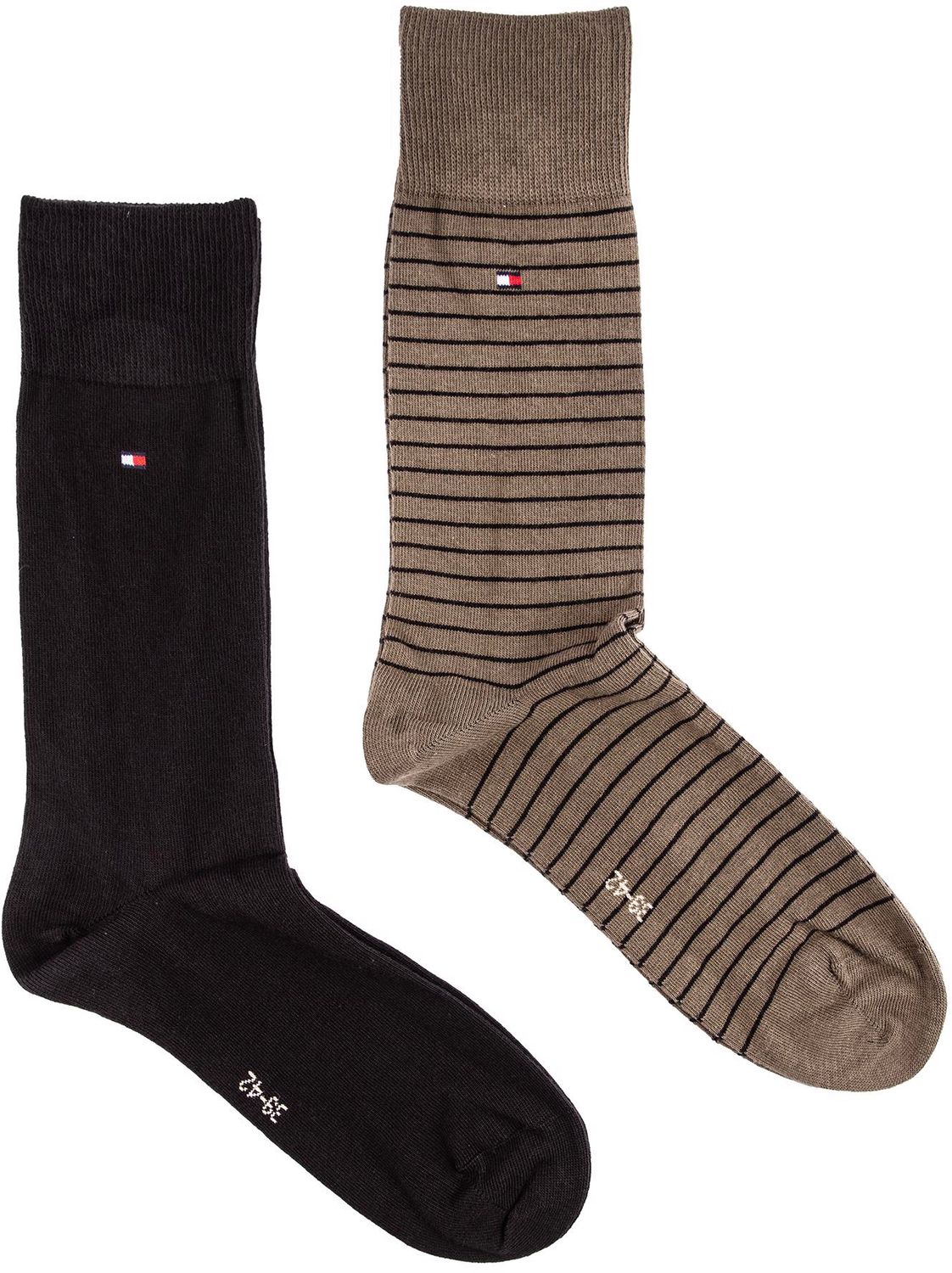
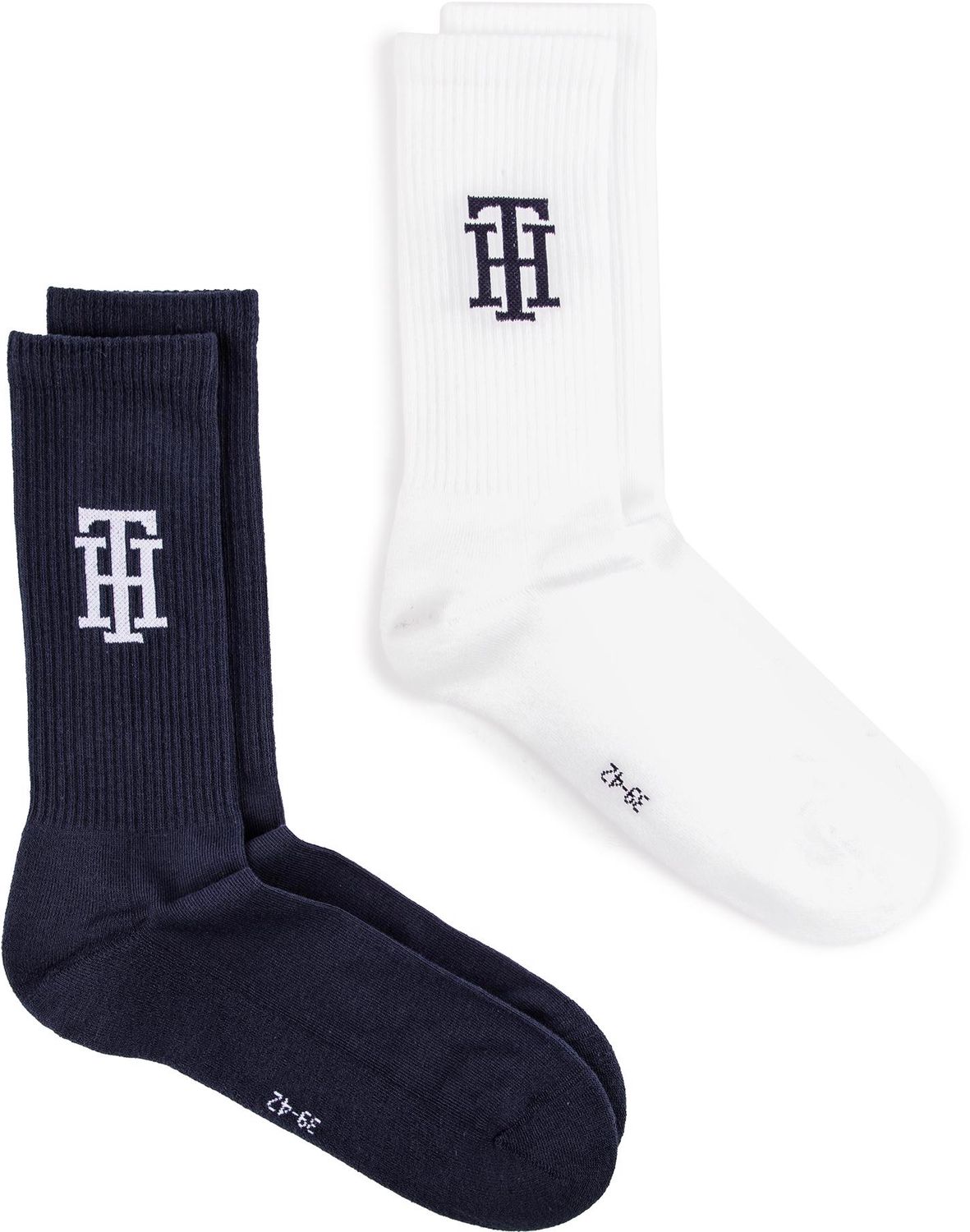
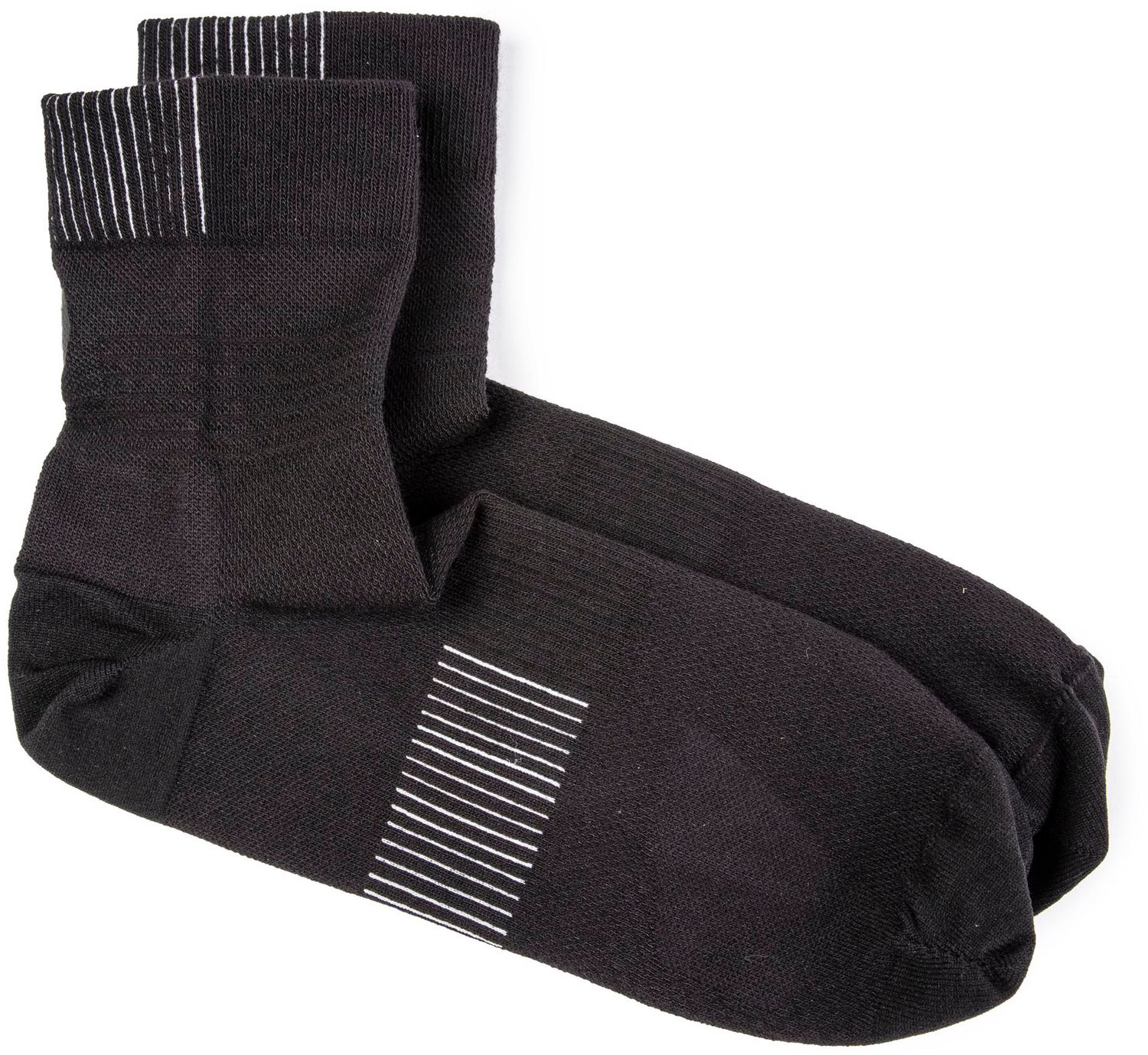
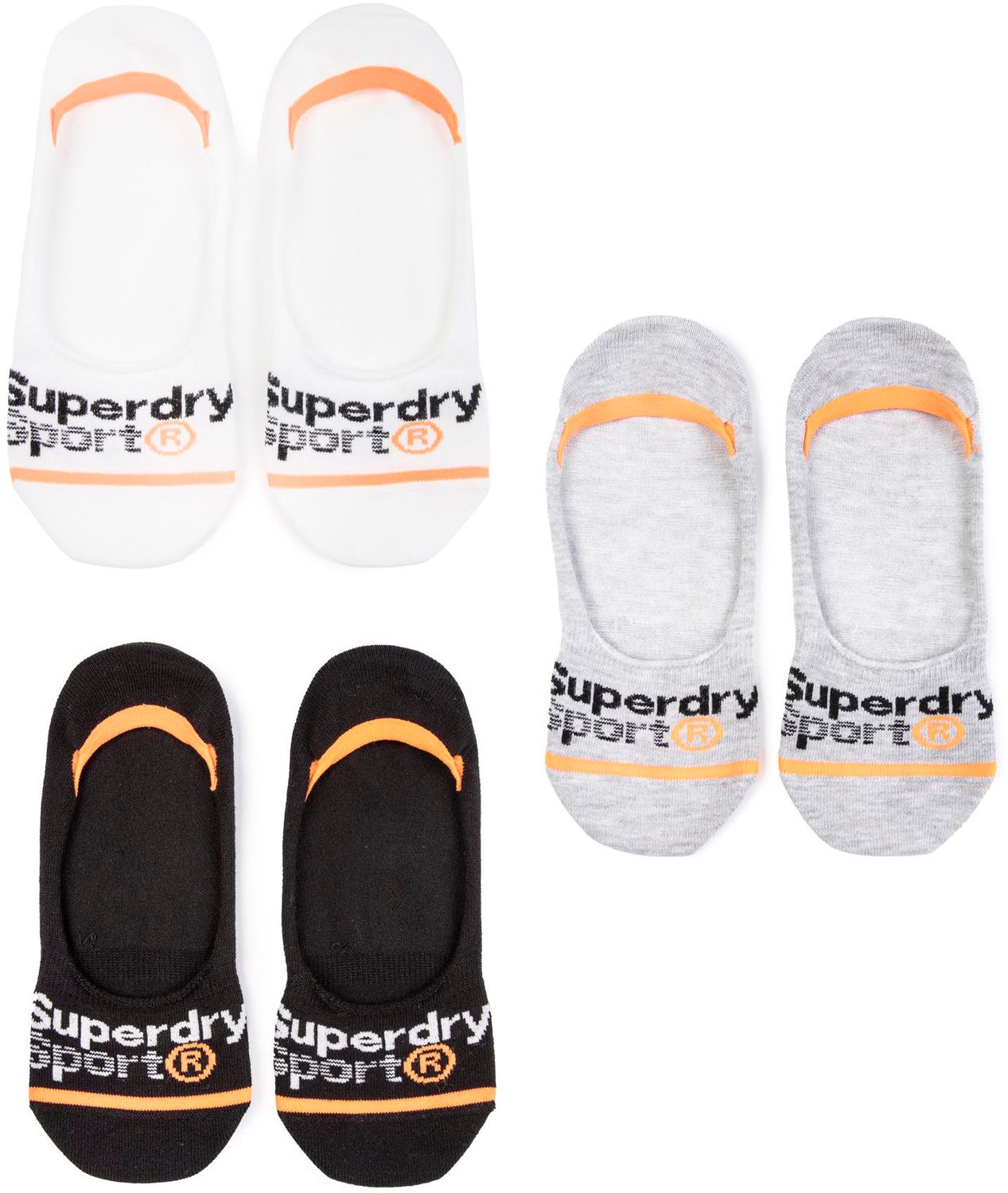
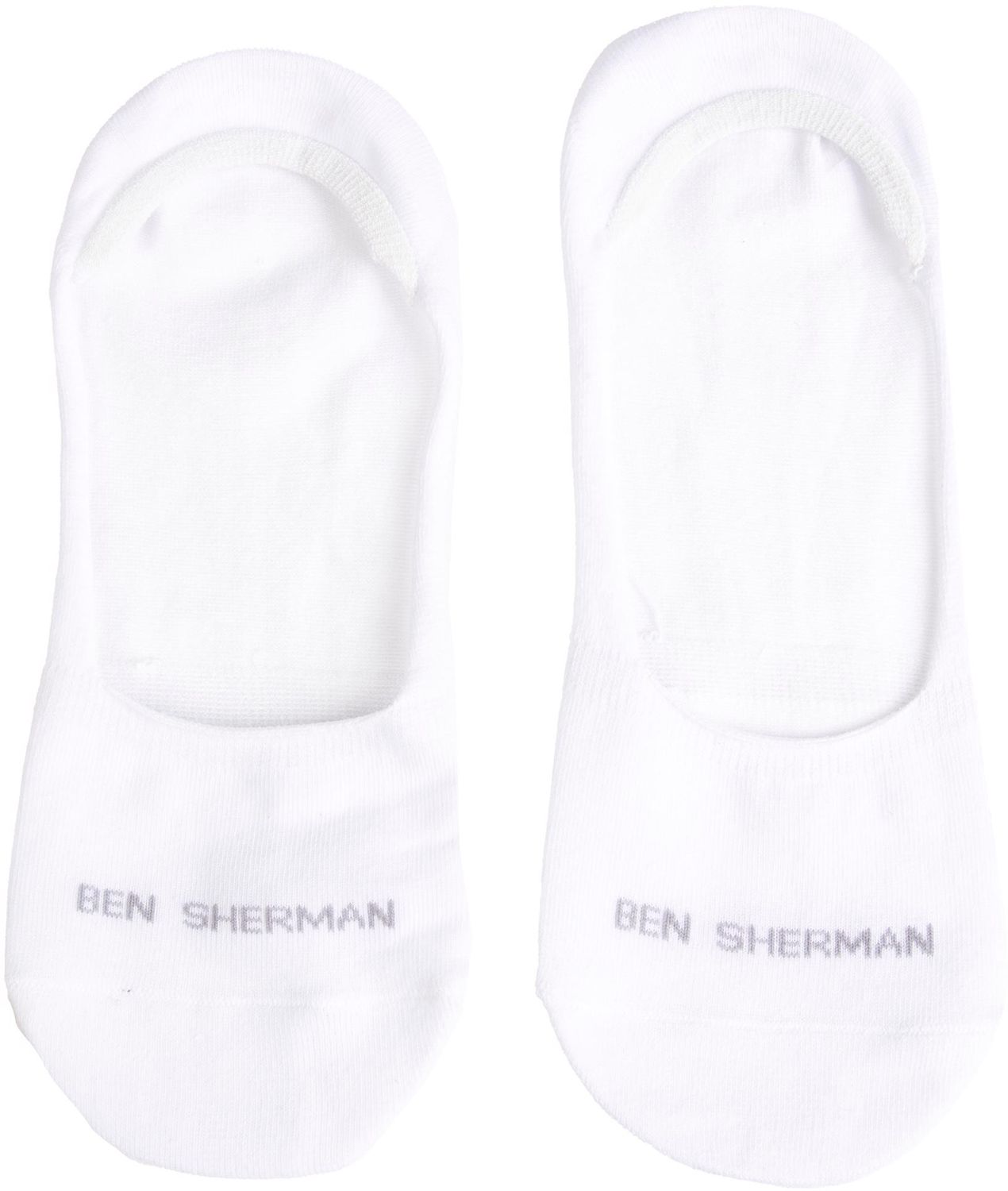
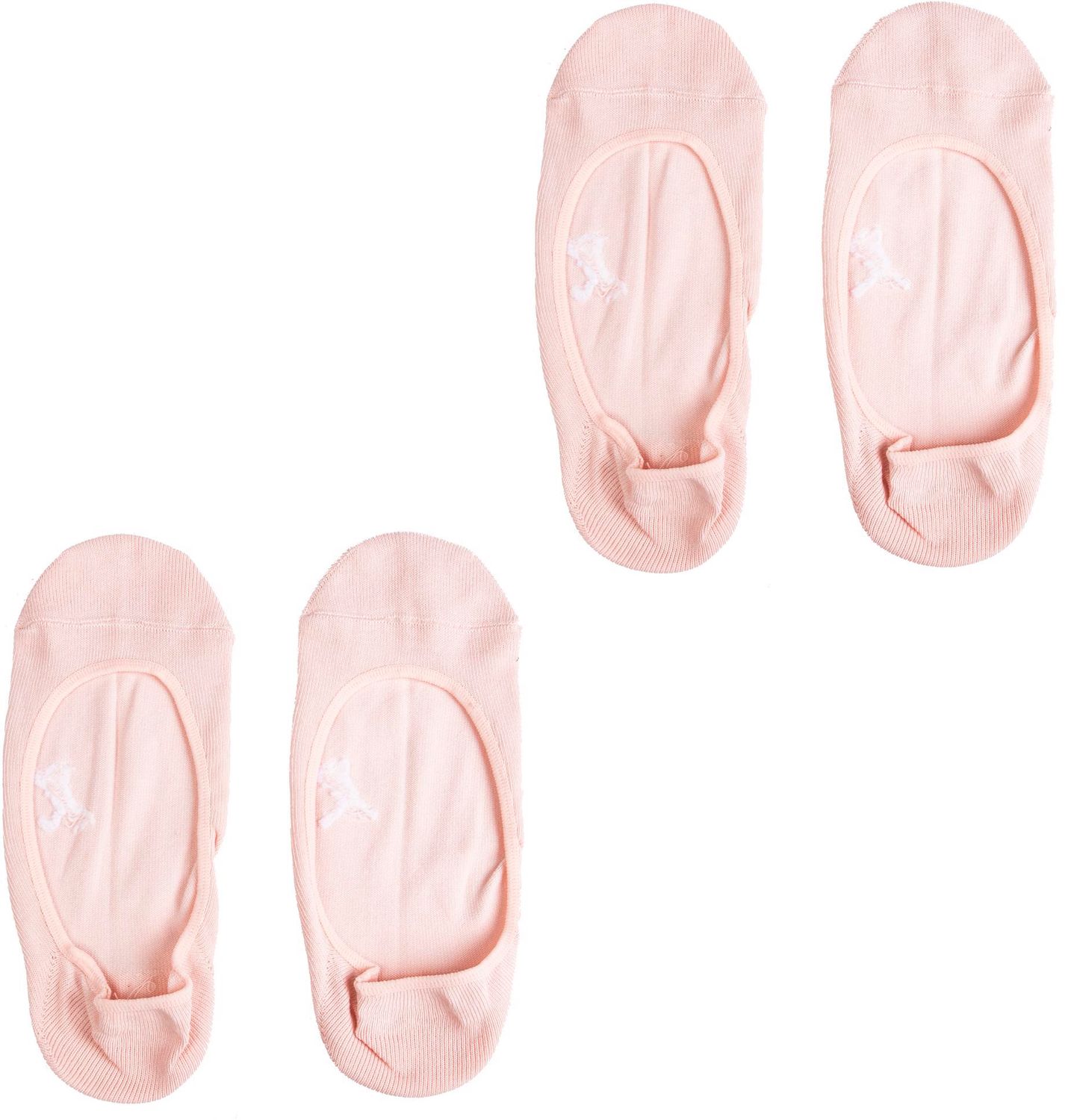
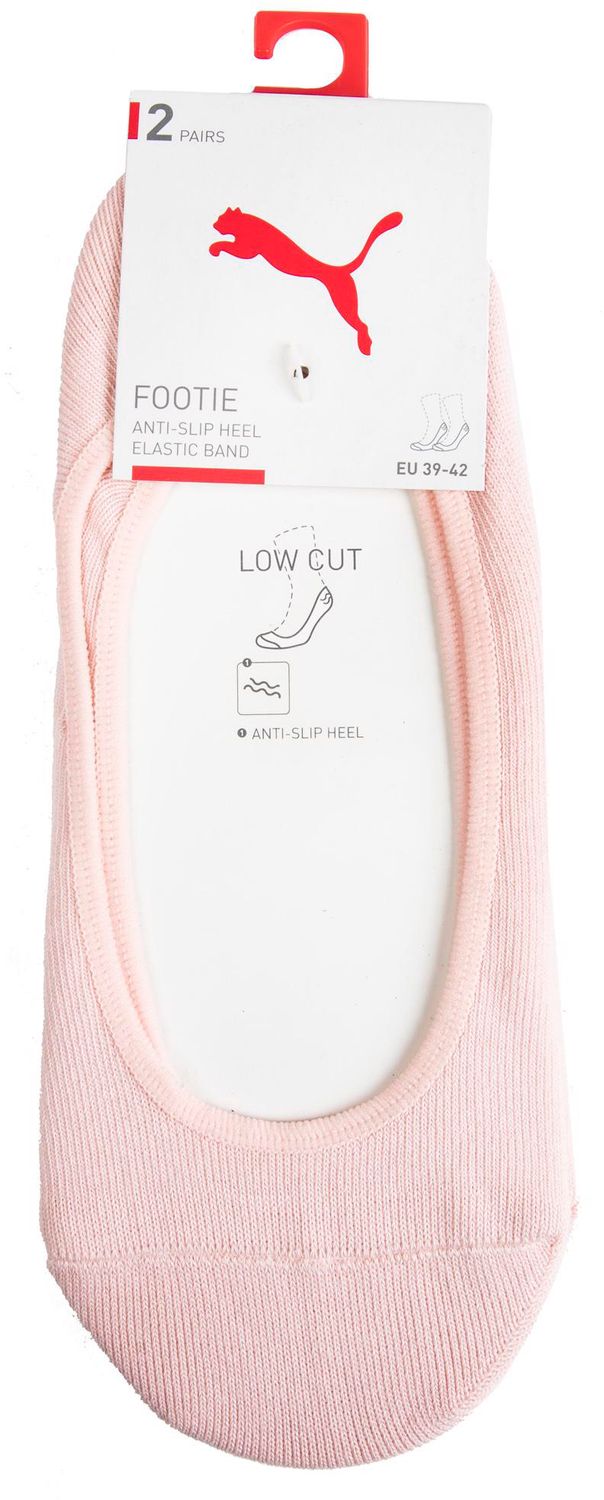
Crew socks typically rise to mid-calf, providing coverage that works brilliantly with boots or casual trainers where you want fabric showing above the shoe collar. They're the go-to choice for everyday wear because they stay put without constant adjustment, and the extra material offers warmth during cooler months. Trainer socks sit below the ankle line, designed specifically for low-profile footwear where visible sock fabric would disrupt the clean silhouette. These shorter styles often incorporate silicone grips at the heel to prevent slippage inside running trainers, and their reduced material means better breathability during high-intensity activities. Both styles serve distinct purposes rather than one being objectively superior.
What sock materials work best for different activities?
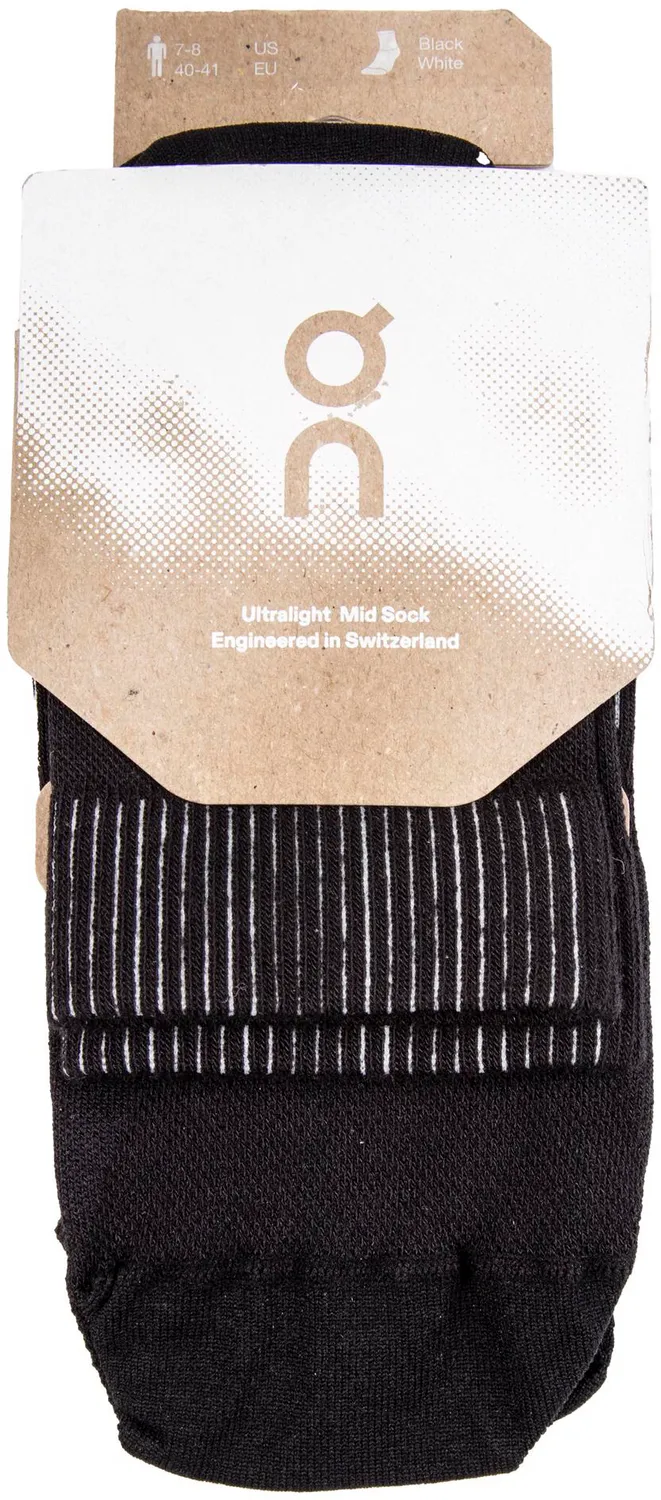
Cotton is ideal for general daily wear as it's soft, breathable, and handles regular activity. Cotton blends, often with elastane, are found in Boss and Polo Ralph Lauren multi-packs. Running socks benefit from synthetic blends or merino wool, which wick moisture away to prevent blisters during longer runs. Sealskins offers waterproof options for hiking in wet conditions, while sports socks for gym work often feature mesh panels to manage heat. The material choice depends on the activity, especially when performance matters.
How should socks fit to prevent blisters and discomfort?
Proper fit means the heel cup sits perfectly without excess fabric bunching. Avoid wrinkles or gathering in the toe box, as these can create friction. The elastic should hold without cutting off circulation. Trainer socks, with their low profile, need a careful fit to avoid slipping down, so consider sizing down or looking for better grip options. Running socks often come in left and right versions with anatomical shaping to reduce skin friction during long distances.
What's the advantage of buying socks in multi-packs?
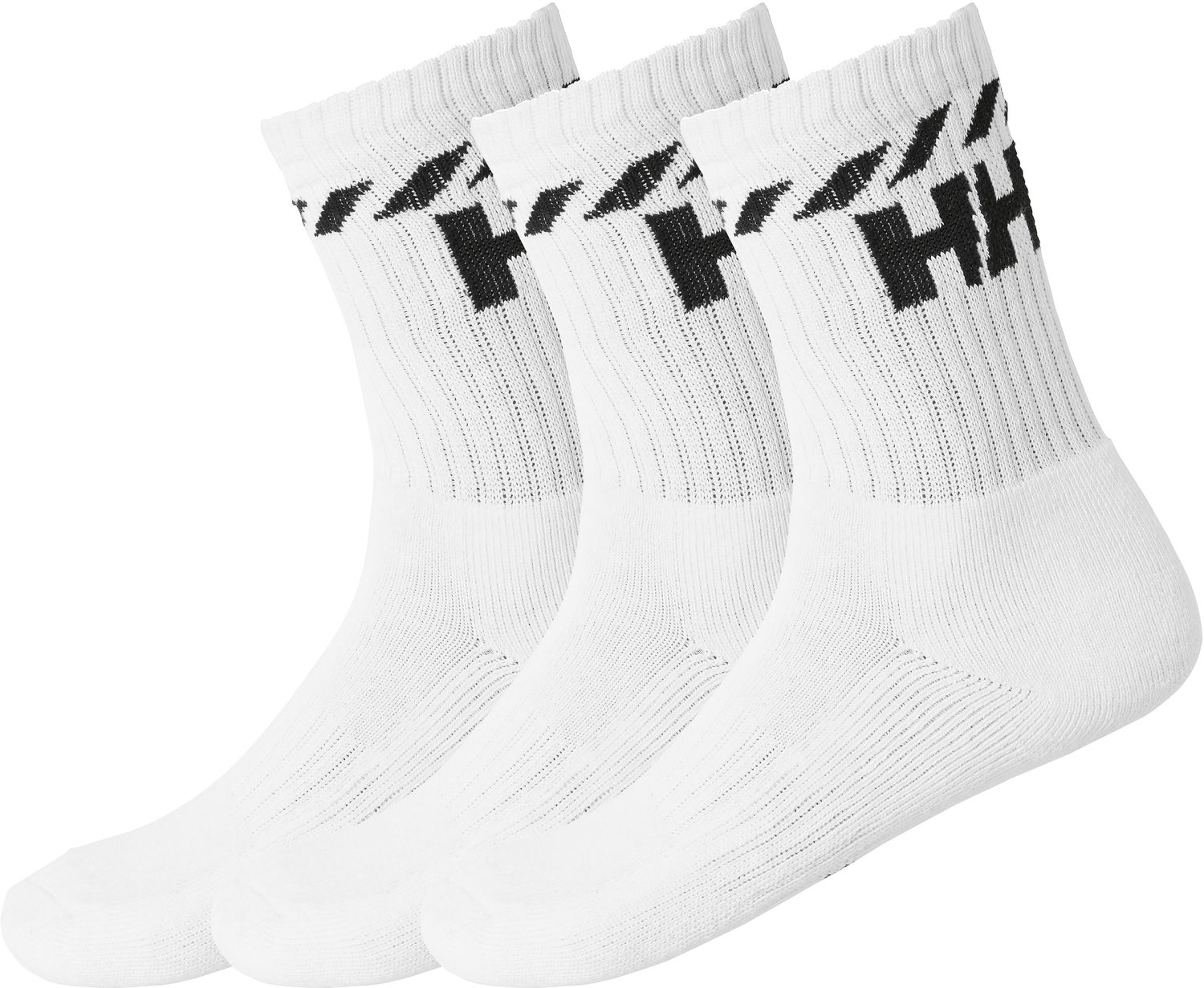
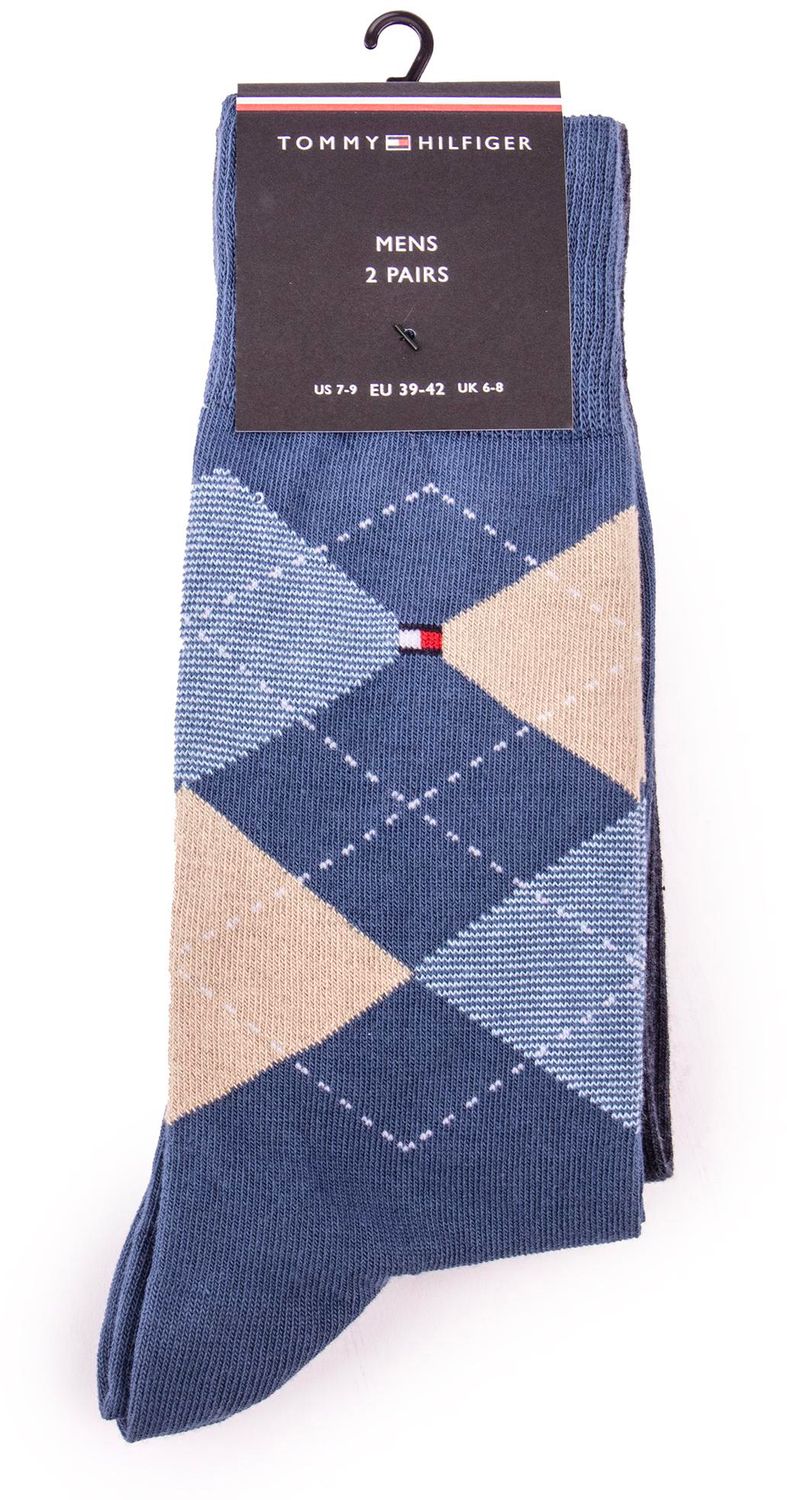
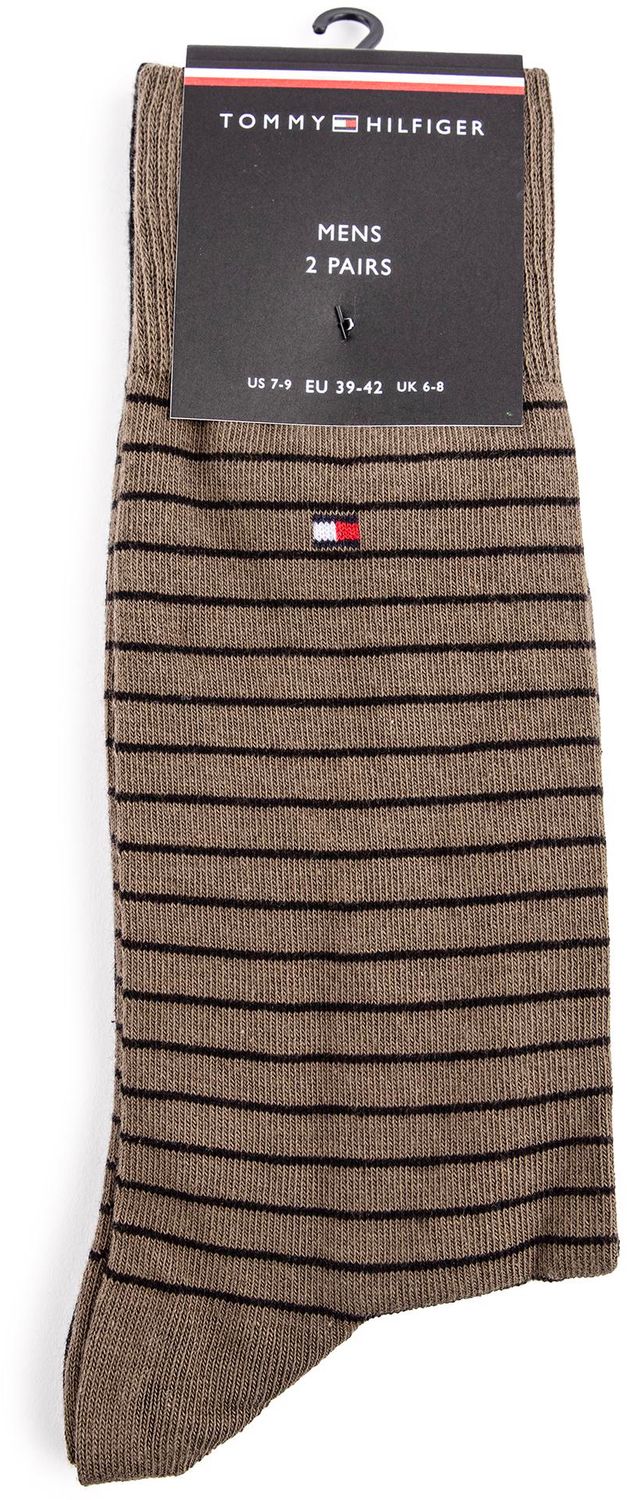
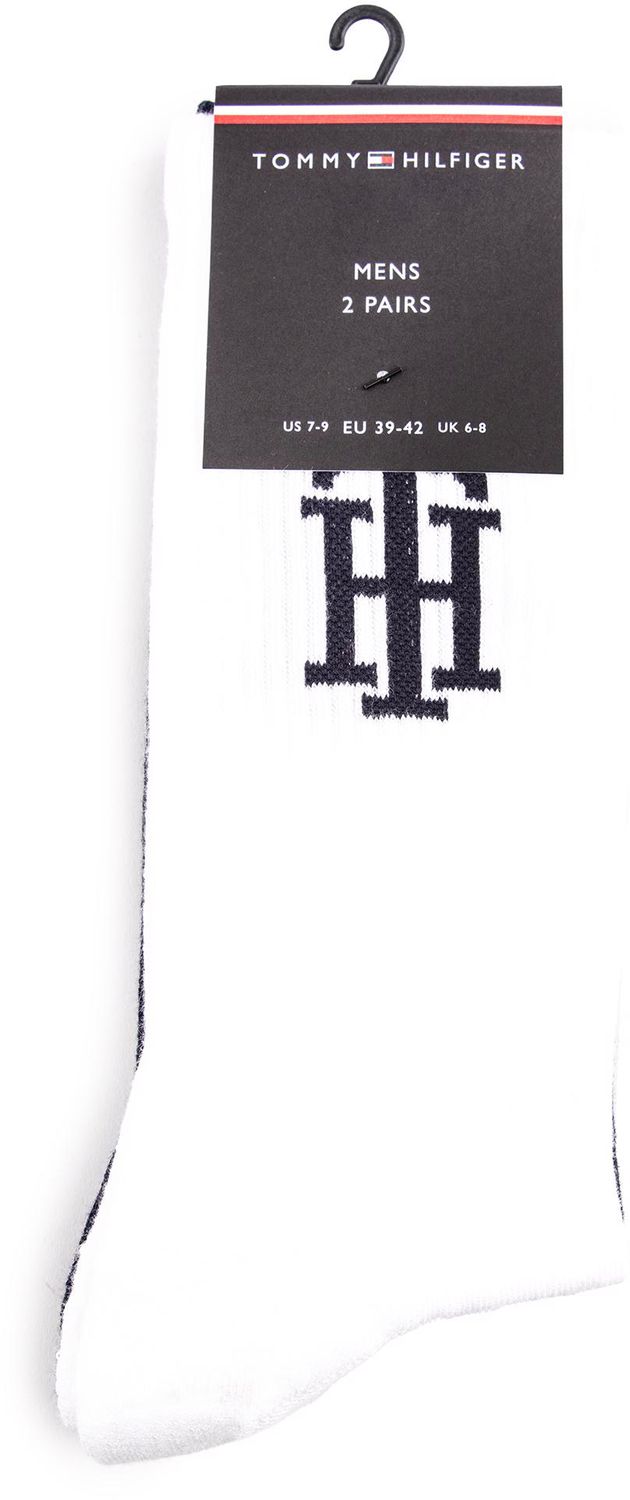
Multi-packs solve the issue of mismatched socks after laundry and offer a cost-effective way to refresh your drawer. For example, a 6-pack from Polo Ralph Lauren is cheaper per pair than buying singles, and having multiple pairs extends their lifespan by allowing proper rotation. Multi-packs from Boss or Timberland maintain consistent thickness and quality, simplifying morning routines and ensuring durability.
Do ankle socks work for formal occasions or just casual wear?
Ankle socks are great for casual wear with shoes or trainers where minimal visibility is desired. However, for formal occasions, like with brogues or suit trousers, mid-calf or over-calf socks are preferred to avoid exposing bare legs. While some men wear no-show socks with loafers in summer, this look is better suited for creative environments than conservative workplaces.
How often should you replace sports socks and running socks?
Replace sports socks when the elastic wears out or the cushioning compresses, usually after 6-12 months of regular use. For serious runners, replacement might be needed every 3-4 months if you're logging high weekly mileage. Visible wear, like holes, signals it's time to replace, but also check if moisture-wicking properties are degraded. Premium socks from brands like The North Face and Sealskins tend to last longer than cheaper alternatives.